



Introduction
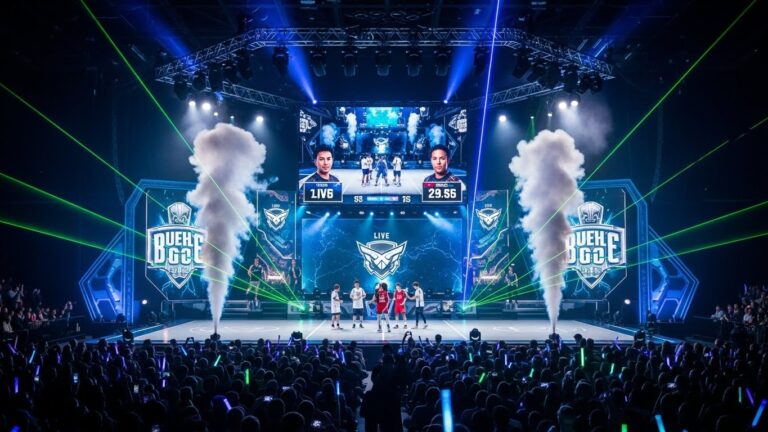
Esports, or electronic sports, has grown from niche hobby to a global phenomenon, captivating millions of fans worldwide. Competitive gaming now rivals traditional sports in terms of viewership, prize pools, and cultural impact. While the current esports landscape primarily revolves around PC and console games, a new frontier is emerging—Virtual Reality (VR). By blending immersive technology with competitive gameplay, VR esports promises to redefine the nature of competition and interaction in digital sports.
This blog explores how virtual reality is shaping the future of esports, the unique challenges it brings, and the exciting opportunities it presents for players, spectators, and the industry as a whole.
What is Virtual Reality?
Virtual Reality is a technology that immerses users in a computer-generated environment, allowing them to interact with 3D worlds using specialized headsets and controllers. Unlike traditional gaming on flat screens, VR places players inside the game itself, offering a heightened sense of presence and realism. This immersive experience engages multiple senses and enables natural physical movements, creating an entirely new way to play and compete.
The Rise of Esports
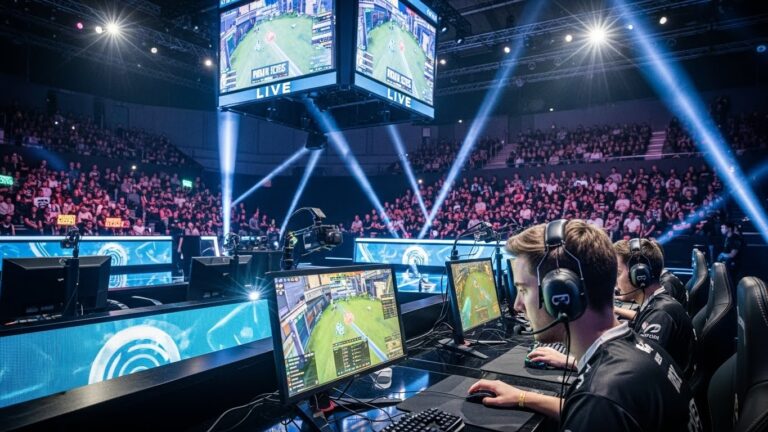
To understand VR’s impact, it’s important to recognize how esports evolved. Competitive gaming started with simple tournaments for arcade and PC games but exploded with titles like League of Legends, Dota 2, Counter-Strike, and Fortnite. These games rely heavily on quick reflexes, strategic thinking, and teamwork, all played on standard monitors and controlled by keyboard, mouse, or controller.
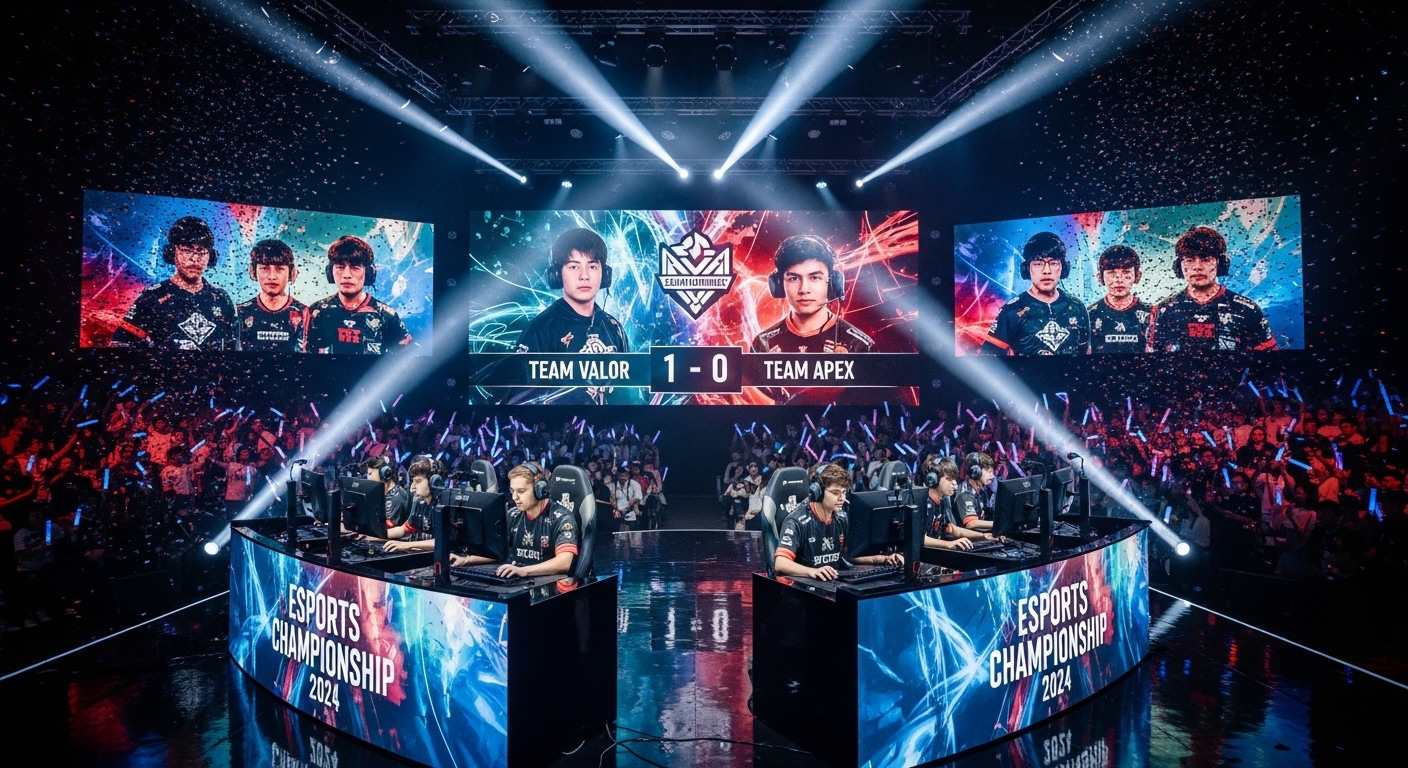
Esports has become a professional ecosystem with teams, leagues, sponsorships, and massive live audiences both online and in arenas. The industry’s growth has been fueled by advancements in technology, internet connectivity, and a global fanbase hungry for thrilling competition.
The Intersection of VR and Esports
Virtual Reality brings a fresh dimension to esports by moving competition from 2D screens to 3D spaces. Players no longer just react with fingers on buttons but move their entire bodies, turning gaming into a physical sport. VR esports creates new gameplay mechanics, strategies, and skill sets, requiring players to master spatial awareness, real-world movement, and immersive controls.
Enhanced Immersion and Presence
One of VR’s greatest advantages is its ability to make players feel like they are truly inside the game world. This immersion intensifies competitive focus and emotional engagement. In traditional esports, players watch a screen and react to visual cues. In VR esports, players are physically present in the environment, creating a deeper connection to the game.
Physicality and Skill
Unlike conventional esports that rely mostly on hand-eye coordination and fast reflexes, VR esports adds a layer of physicality. Players must move, dodge, and interact with the environment using real movements. This aspect introduces physical endurance and spatial awareness as vital components of skill, blurring the line between traditional sports and esports.
Popular VR Esports Titles
Several VR games have already begun carving out niches in competitive play. Titles like Beat Saber, Echo VR, and Population: One are examples of VR games that combine fast-paced action with competitive formats.
- Beat Saber is a rhythm game where players slash blocks to the beat of music using VR controllers. Competitive modes focus on speed, accuracy, and stamina.
- Echo VR offers a zero-gravity arena where players compete in a futuristic sport combining elements of ultimate frisbee and team-based strategy.
- Population: One is a battle royale style VR shooter emphasizing movement, shooting accuracy, and tactical positioning.
These games demonstrate how VR esports can cater to different genres, from rhythm games to shooters, each requiring distinct skills and strategies.
Challenges Facing VR Esports
While the potential of VR esports is enormous, it also faces significant hurdles.
Accessibility and Cost
High-quality VR equipment is still expensive and not as widespread as traditional gaming hardware. The cost of headsets, motion controllers, and powerful PCs can be prohibitive, limiting player participation and audience reach.
Physical Fatigue and Safety
The physical demands of VR esports mean players need to be in good shape and take precautions to avoid injury. Unlike sitting at a desk, VR competition involves full-body movement, which can lead to fatigue or accidents without proper safety measures.
Technical Limitations
Latency, motion tracking accuracy, and headset comfort are ongoing technical challenges. Any delay or inaccuracy in tracking can affect gameplay fairness and player experience. Moreover, current VR headsets can cause discomfort or motion sickness for some users, limiting session lengths.
Audience Experience
Traditional esports benefit from spectator-friendly broadcasts that show multiple viewpoints and clear action. VR esports must develop new ways to capture and present the immersive action in a format that is engaging for viewers who are not inside the VR environment.
Opportunities and Future Prospects
Despite challenges, the future of VR esports is promising, with several exciting developments on the horizon.
Innovation in Game Design
VR allows game developers to experiment with novel mechanics impossible in 2D games. This innovation can lead to entirely new esports genres that combine physicality, strategy, and immersion.
New Training Methods
VR can be a powerful tool for player training, offering realistic practice scenarios and spatial skill development that traditional games cannot replicate. VR simulators can enhance player reflexes, movement coordination, and strategic awareness.
Expanding the Audience
As VR technology becomes more affordable and widespread, VR esports can attract new demographics who seek more physical and immersive entertainment experiences. Hybrid events combining VR and traditional esports formats can broaden appeal.
Integration with Augmented Reality
Looking further ahead, the blending of virtual and real-world environments through augmented reality (AR) could create hybrid esports competitions that mix physical locations with digital overlays, making competition even more dynamic and accessible.
The Social Impact of VR Esports
VR esports not only changes competition but also influences social interaction and community building. Virtual environments allow players and fans to connect in shared digital spaces, attending virtual tournaments, cheering together, and socializing beyond physical boundaries.
The immersive nature of VR can foster stronger bonds and a deeper sense of belonging within esports communities. However, it also raises questions about inclusivity, digital well-being, and the balance between virtual and real-world socialization.
Conclusion
Virtual reality is poised to revolutionize esports by introducing new dimensions of competition that blend physicality, immersion, and innovation. While challenges remain, the expanding VR ecosystem is already showing how transformative this technology can be for players, audiences, and the gaming industry at large.
As VR technology continues to evolve and become more accessible, it will likely become a major pillar of esports, opening doors to fresh experiences and redefining what it means to compete in digital sports. The future of esports is no longer just on the screen—it is inside a fully immersive, virtual world where skill, strategy, and physical presence unite in a new era of competition.