


Introduction
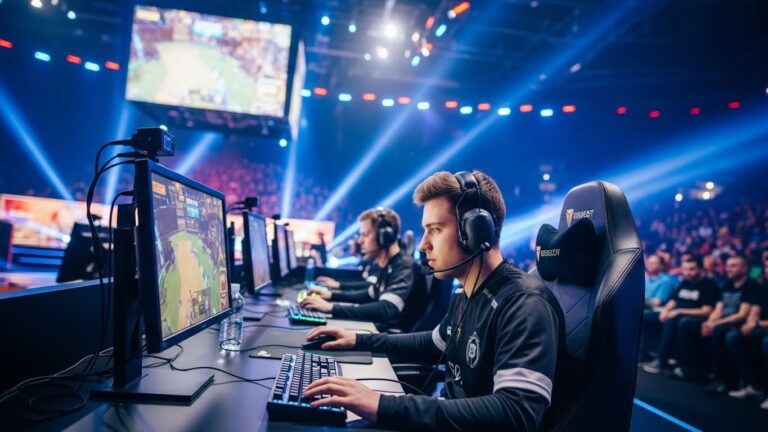
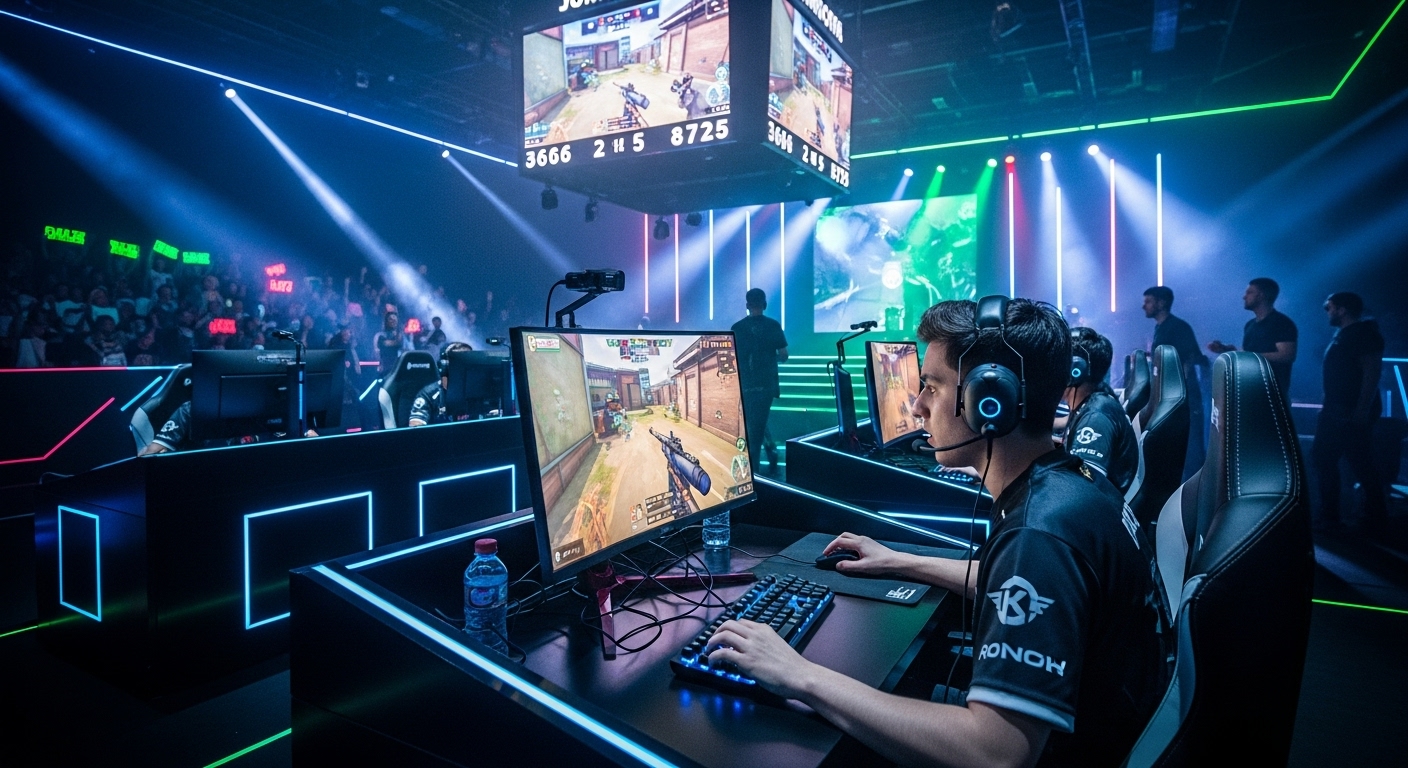
Over the last two decades, esports has transformed from a small niche community of passionate gamers into one of the most influential entertainment industries in the world. What was once a hobby enjoyed in small computer cafes and local tournaments has now evolved into a billion-dollar industry that rivals traditional sports in terms of viewership, sponsorship, and cultural significance. Esports is no longer just about playing video games; it is about teamwork, strategy, global connection, and a completely new form of competition that defines the modern digital era.
This blog explores the growth, influence, and future of esports — examining how it became a global phenomenon, what drives its popularity, and what lies ahead for players, fans, and the entire gaming ecosystem.
The Early Beginnings of Esports
The concept of competitive gaming began long before the modern era of online tournaments. The earliest roots of esports can be traced back to the 1970s when arcade games like Space Invaders and Pac-Man captured the public’s attention. In 1980, the first-ever official gaming competition, the Space Invaders Championship, was held in the United States, drawing thousands of participants. Though the technology was limited, the excitement of players competing for high scores sparked the birth of organized gaming competition.
By the 1990s, as home computers and consoles became more accessible, competitive gaming started to gain traction. Games like Street Fighter II and StarCraft brought new dimensions to the competitive scene. Internet connectivity allowed players to challenge opponents beyond their local arcades, and this global interaction became the foundation for what we now recognize as esports.
The Explosion of Online Gaming
The 2000s marked the true beginning of the esports revolution. Broadband internet, advanced gaming PCs, and the rise of online platforms such as Battle.net, Steam, and later Twitch, transformed gaming into a shared, live experience. Multiplayer titles like Counter-Strike, Warcraft III, and Dota became household names in competitive gaming circles.
South Korea emerged as a pioneer in esports during this period. With government support, professional gaming leagues, and dedicated broadcasting channels, esports quickly became part of Korean culture. Professional players gained celebrity status, filling stadiums with cheering fans. The Korean model set an example for the rest of the world, proving that competitive gaming could be both profitable and legitimate.
The Birth of Global Esports Tournaments
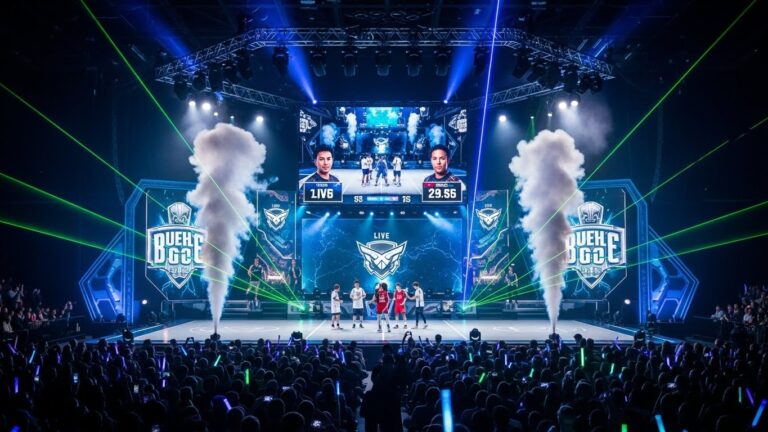
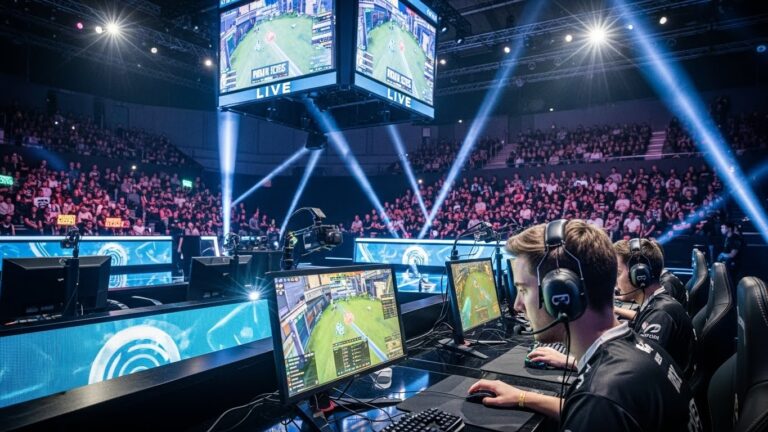
By the early 2010s, esports was no longer confined to local communities or single regions. Major international tournaments began attracting millions of viewers. Events like The International for Dota 2, the League of Legends World Championship, and the Intel Extreme Masters drew global attention. Prize pools reached millions of dollars, and players from across continents competed on the same digital battlefield.
Esports organizations began forming professional teams with structured training schedules, coaching staff, and corporate sponsors. Companies such as NVIDIA, Red Bull, and major tech brands started investing heavily in the industry. This professionalization transformed esports into a legitimate career path, allowing players to earn salaries, endorsements, and fame comparable to traditional athletes.
The Rise of Streaming and Content Creation
One of the biggest catalysts for esports growth has been the rise of live streaming platforms. Services like Twitch and YouTube Gaming gave players the ability to broadcast their gameplay to millions of viewers around the world. This created a new ecosystem where gamers could build personal brands, interact directly with fans, and earn revenue through subscriptions, donations, and sponsorships.
Streaming made esports more accessible than ever before. Fans no longer needed expensive tickets or pay-per-view subscriptions to watch their favorite players. They could tune in for free and experience the competition live, creating a global community united by shared passion and excitement. The combination of competitive tournaments and individual streamers made gaming culture more diverse, entertaining, and inclusive.
Esports as a Career
In the past, pursuing a career in gaming was often dismissed as unrealistic or unserious. Today, esports has completely shattered that stereotype. Many professional players earn substantial incomes through tournament winnings, streaming, brand deals, and merchandise. Teams like Fnatic, Team Liquid, and Cloud9 have turned into global franchises with massive fanbases.
Beyond playing, esports has opened opportunities for coaches, analysts, commentators, event organizers, and game developers. Universities around the world now offer scholarships for esports athletes, and academic programs teach students about game design, marketing, and digital media. The esports industry is a full-fledged ecosystem that supports thousands of jobs across multiple sectors.
Esports and Traditional Sports: A New Rivalry
As esports continues to grow, comparisons with traditional sports are inevitable. Both involve competition, teamwork, and skill, but the methods of execution differ. Esports does not require physical athleticism in the traditional sense, but it demands mental agility, coordination, strategic thinking, and hours of practice.
Traditional sports organizations have recognized the potential of esports and have started investing in it. Basketball teams, football clubs, and other sports franchises have launched their own esports divisions. For example, many football clubs have official teams competing in virtual football leagues. This crossover has helped bridge the gap between physical and digital sports, expanding the fan base for both.
The Global Appeal of Esports
One of the most remarkable aspects of esports is its universal accessibility. Unlike traditional sports that often require specific physical abilities or resources, anyone with a computer or console can participate. This inclusivity has contributed to the diverse global audience that esports attracts.
From Asia to Europe, North America to the Middle East, and Africa to Latin America, esports unites millions of people regardless of language or background. Major tournaments are broadcast in multiple languages, and fans engage through social media, fan art, and online communities. The sense of global belonging makes esports more than just a competition; it is a cultural movement.
The Role of Technology in Esports Evolution
Technology is the backbone of esports. Every major advancement in hardware, software, and connectivity has directly influenced its growth. High-performance gaming computers, low-latency networks, and virtual reality tools have elevated the quality of competitive play.
Artificial intelligence and analytics now help teams study opponents, analyze player performance, and develop advanced strategies. Virtual and augmented reality are beginning to shape new experiences for both players and audiences, while mobile gaming has made esports accessible to billions of people who may not own high-end PCs or consoles.
The technological progress also extends to broadcasting. Spectator tools, instant replays, and detailed player statistics enhance the viewer experience, making esports events as thrilling and professional as any televised sport.
Esports in Education and Youth Development
Educational institutions are increasingly recognizing the value of esports in developing important skills among young people. Esports encourages teamwork, communication, problem-solving, and leadership — all essential qualities for personal and professional success.
Schools and universities around the world are now forming esports clubs and leagues, allowing students to compete while maintaining their academic commitments. Some institutions even offer degrees focused on esports management, marketing, and technology. This integration of gaming into education reflects how deeply esports is embedded in modern culture and the future of digital learning.
The Cultural Impact of Esports
Esports has transcended the boundaries of gaming to become a significant part of global pop culture. It influences music, fashion, art, and entertainment. Esports athletes appear in commercials, collaborate with brands, and even feature in mainstream media productions.
Music artists perform at esports events, fashion companies design gaming-inspired clothing lines, and major brands use esports sponsorships to connect with younger audiences. The integration of esports into mainstream culture symbolizes its transition from a hobby to a lifestyle — a shared language of creativity, competition, and connection.
The Role of Women in Esports
For many years, esports was seen as a male-dominated field. However, the landscape is changing as more women rise to prominence as professional players, commentators, and community leaders. Organizations are creating inclusive tournaments and mentorship programs to support female gamers and reduce barriers in the industry.
The rise of women in esports highlights the importance of representation and diversity. As more women participate and succeed, they inspire a new generation of players and contribute to a more inclusive gaming culture.
The Economic Power of Esports
Esports is not just a cultural or entertainment phenomenon — it is a massive economic powerhouse. The global esports market is valued at billions of dollars and continues to grow annually. Revenue streams include sponsorships, advertising, media rights, ticket sales, and in-game purchases.
Brands are eager to tap into the esports audience because it primarily consists of tech-savvy, engaged, and youthful demographics. Major corporations view esports as an effective platform for digital marketing, and this investment fuels the development of better tournaments, infrastructure, and career opportunities for players.
Challenges Facing the Esports Industry
Despite its success, esports still faces challenges that must be addressed for sustainable growth. Issues such as player burnout, cheating, inconsistent regulations, and financial instability for smaller teams remain concerns.
Another challenge is maintaining competitive integrity across different regions, ensuring fair play, and providing mental health support for players. The intense pressure of professional gaming can lead to stress and fatigue, making support systems crucial.
Esports organizations and governing bodies are now working to establish standardized rules, ethical guidelines, and better player welfare programs to protect the industry’s future.
The Future of Esports
The future of esports is bright and limitless. Emerging technologies such as virtual reality, artificial intelligence, and blockchain will reshape how games are played, broadcast, and monetized. The next generation of consoles and computers will bring even more immersive gaming experiences.
Esports is also expanding into new genres — from racing simulators to strategy games and mobile competitions. Mobile esports, in particular, has exploded in popularity, reaching audiences in regions where traditional gaming setups are less common.
In the coming years, esports could even become an official part of major international sporting events, solidifying its place alongside traditional athletics. The continued growth of esports education and infrastructure will ensure that it remains a vital part of global culture and economy.
Conclusion
Esports is far more than a passing trend; it is the future of competition and entertainment. It represents the blending of technology, creativity, and human connection on a scale never seen before. From humble beginnings in local arcades to massive global tournaments filling stadiums, esports has redefined what it means to be an athlete, a fan, and a community member in the digital age.
As technology continues to advance and gaming becomes even more integrated into daily life, esports will only grow stronger — inspiring new generations to dream, compete, and connect through the universal language of play. The era of esports has only just begun, and its impact on society will continue to shape the world for decades to come.