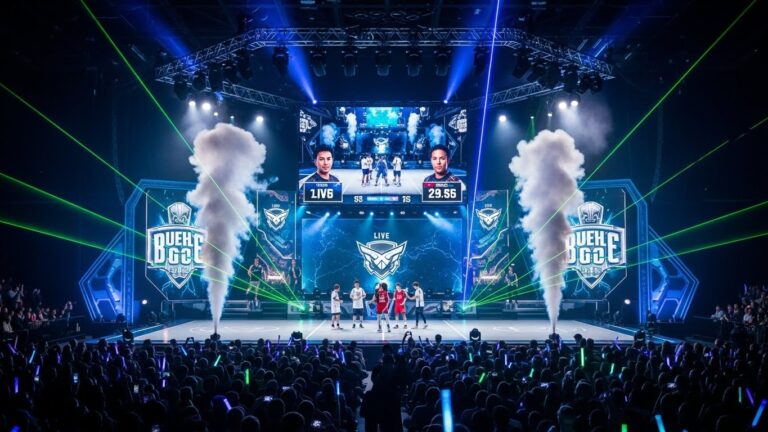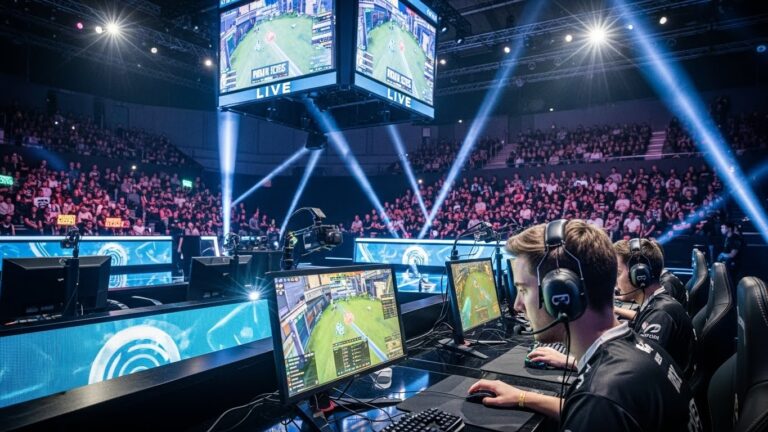





Esports, or competitive gaming, has rapidly evolved from a niche hobby to a global entertainment powerhouse. Once seen as a pastime for a select group of gamers, esports now attracts millions of viewers worldwide, with massive prize pools, professional teams, and sponsorship deals. In this blog post, we’ll explore the origins, rise, and future of esports, highlighting how the industry has become a cultural and economic force in today’s world.
The Early Days of Esports
Esports has roots that trace back to the late 1990s, when competitive gaming was still in its infancy. The first true competitive gaming event was the Red Annihilation tournament in 1997, centered around the popular first-person shooter Quake. Although small compared to today’s standards, this tournament laid the groundwork for what would eventually become a multi-billion-dollar industry.
In these early days, esports consisted mostly of local LAN (Local Area Network) events where gamers would gather to compete in person. The competitive scene was niche, with limited recognition and few sponsors. However, it provided the foundation for competitive gaming communities to develop, particularly with titles like StarCraft, Counter-Strike, and Warcraft III that fostered team-based gameplay and strategy.
The Explosive Growth of Esports
By the early 2000s, the internet revolutionized the way people played games. Broadband connections allowed players from different parts of the world to compete against each other in real time. The development of streaming platforms like Twitch in 2011 provided a venue for fans to watch their favorite players and teams compete. This shift was pivotal, as it not only grew the viewership base but also solidified esports as a mainstream form of entertainment.
The release of games designed specifically for esports, such as League of Legends in 2009, marked a turning point for the industry. These games were crafted with competitive play in mind, featuring balanced mechanics, regular updates, and built-in esports ecosystems. As esports grew, so did the scale of its tournaments. Games like Dota 2 and Fortnite offered millions in prize money, drawing the attention of both players and investors alike.
Esports as a Professional Career
With the rise in popularity of esports, a professional infrastructure began to form. Players, coaches, analysts, and managers all became integral parts of the esports ecosystem. Professional esports organizations, such as Cloud9, Team Liquid, and Fnatic, emerged as the driving forces behind competitive gaming. These organizations invested heavily in player development, creating training regimens and support systems to help players compete at the highest level.
Today, esports athletes are treated much like traditional sports players, with salaries, sponsorships, and media attention. The success of these players has brought the industry into the spotlight, with major brands such as Intel, Coca-Cola, and Mercedes-Benz entering the esports space through sponsorship deals. Major television networks and streaming platforms also began broadcasting events, further legitimizing esports as a professional career.
Esports Viewership: A Global Phenomenon
What sets esports apart from other forms of entertainment is the sheer size of its audience. Esports tournaments consistently attract millions of viewers from all over the world, often surpassing the viewership of traditional sports events. The 2019 League of Legends World Championship attracted over 100 million viewers, a number that rivals the Super Bowl in terms of global reach.
Unlike traditional sports, where fans must purchase tickets to attend games or subscribe to cable networks to watch events, esports is primarily streamed online. Platforms like Twitch, YouTube, and Facebook Gaming allow fans to watch tournaments for free, giving esports an unprecedented level of accessibility. This has helped the industry capture the attention of younger, tech-savvy audiences, who engage with content through live streaming, social media, and fan interaction.
The Economic Impact of Esports
Esports has proven to be not only a cultural phenomenon but an economic powerhouse as well. According to recent reports, the global esports industry is expected to surpass $1.5 billion in revenue by 2025. This revenue comes from multiple streams, including media rights, sponsorships, advertising, merchandise sales, and ticket sales to live events. As the industry continues to grow, so do the opportunities for players, coaches, event organizers, and businesses involved in the ecosystem.
Additionally, esports has spawned a burgeoning secondary market. Gaming peripherals, such as specialized keyboards, mice, and headsets, are in high demand, and gaming merchandise, like team jerseys and apparel, is now a lucrative industry in its own right. The rise of esports betting has also contributed to the economic boom, with fans placing wagers on tournaments much like they would on traditional sports events.
The Integration of Esports and Traditional Sports
One of the most exciting trends in esports is its integration with traditional sports. Major sports leagues, including the NBA, NFL, and soccer clubs, have recognized the potential of esports and begun to invest in gaming. Many traditional sports organizations have launched their own esports leagues or partnered with existing esports teams to create cross-industry collaborations. For example, FIFA and NBA 2K have their own competitive esports leagues, attracting professional athletes and sports fans to the gaming world.
This convergence of esports and traditional sports opens up new opportunities for cross-promotion, fan engagement, and even the development of hybrid events. Esports and traditional sports are no longer seen as separate entities but as complementary parts of the broader entertainment landscape.
The Future of Esports
Looking ahead, the future of esports seems incredibly bright. As technology advances, innovations such as virtual reality (VR), augmented reality (AR), and 5G connectivity will take esports to new heights. These technologies will create even more immersive and interactive experiences for both players and viewers, allowing for the possibility of fully virtual tournaments or games that are played in immersive digital worlds.
The continued rise of mobile gaming is another factor that will drive the expansion of esports. In regions like Southeast Asia and China, mobile gaming has already become a dominant force, with games like Arena of Valor and PUBG Mobile attracting massive competitive scenes. As mobile esports continue to grow, it will create new opportunities for players and fans in markets previously underrepresented in the esports world.
Moreover, as esports becomes more integrated into mainstream education, universities are offering scholarships and specialized programs to train the next generation of esports athletes and professionals. This shift could result in a new wave of talent and career opportunities, both on and off the digital battlefield.
Conclusion
Esports has come a long way from its early days as a hobby for a small group of gamers. Today, it stands as a global entertainment phenomenon, with millions of fans, professional players, and investors fueling its growth. With its massive potential for innovation, cross-industry collaboration, and continued fan engagement, esports is poised to shape the future of entertainment for years to come. Whether you’re a casual fan or an aspiring professional, esports offers something for everyone, making it an exciting and dynamic space to watch as it continues to evolve.