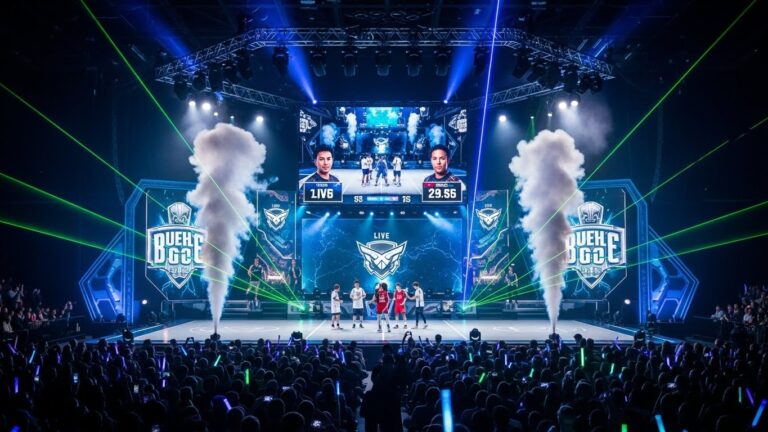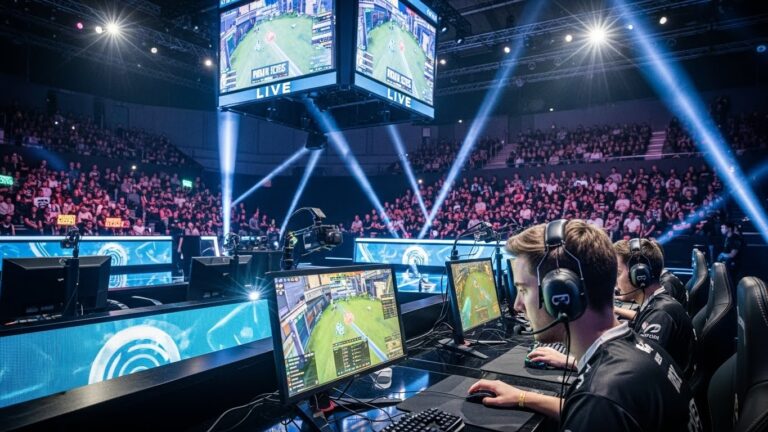





In recent years, the esports industry has exploded in popularity, capturing the attention of millions of viewers and transforming video gaming from a recreational hobby to a global, multi-billion-dollar phenomenon. What was once viewed as a niche activity has now evolved into a mainstream cultural force, with professional leagues, international tournaments, and dedicated fan bases rivaling those of traditional sports. This blog explores the rapid growth of esports, its impact on the gaming community, its economic influence, and what the future holds for competitive gaming.
What is Esports?
Esports, short for “electronic sports,” refers to organized, multiplayer video game competitions, particularly between professional players, teams, and spectators. Unlike casual gaming, esports involves players competing in games that require a high level of skill, strategy, and teamwork. The games range across various genres, from first-person shooters (FPS) like Call of Duty and Counter-Strike: Global Offensive (CS: GO), to multiplayer online battle arena (MOBA) games like League of Legends and Dota 2, and even real-time strategy (RTS) games like StarCraft II.
At the heart of esports is competition. Whether it’s individual players battling for supremacy or teams coming together to achieve victory, esports is about testing skill, strategy, and reflexes in the digital realm. It’s the modern equivalent of traditional sports like football, basketball, or soccer, but instead of physical endurance and athleticism, it revolves around mental agility, tactical planning, and hand-eye coordination.
The Explosion of Popularity
Over the past decade, esports has witnessed an exponential rise in popularity. From humble beginnings as online tournaments hosted by small communities to a worldwide phenomenon, esports has captured the imagination of millions. There are several reasons behind this meteoric rise.
1. The Growth of Streaming Platforms
One of the primary drivers of esports’ popularity has been the rise of streaming platforms like Twitch and YouTube. These platforms allow players to live-stream their gameplay, enabling fans from around the world to watch and engage with their favorite gamers in real time. The ability to interact with streamers through chats and donations has created a sense of community that goes beyond just watching a game being played. Esports events, such as the League of Legends World Championship or The International for Dota 2, are broadcasted to millions of viewers across multiple platforms, making esports accessible to a global audience.
2. Sponsorship and Investment
The influx of sponsorship deals has also fueled the growth of esports. Brands from various industries, including technology, energy drinks, telecommunications, and even mainstream consumer products, have recognized the value of aligning themselves with esports. Companies like Red Bull, Coca-Cola, and Intel have invested heavily in esports sponsorships, creating partnerships that benefit both the brands and the esports community. Esports organizations now have the financial backing to hire top-tier players, host larger events, and even recruit professional coaches and analysts.
3. The Professionalization of Esports
As esports grew in viewership and sponsorship, the level of professionalism within the industry also increased. Dedicated training facilities, coaching staffs, and performance analysts have become common components of top-tier esports teams. These teams operate like traditional sports franchises, complete with management, marketing teams, and fan engagement efforts. The professionalism surrounding esports has elevated the industry to a level where players are not only competing for titles but also signing lucrative contracts, securing sponsorships, and building long-term careers within the gaming world.
The Economics of Esports
Esports is no longer just a pastime for casual gamers; it is a multi-billion-dollar industry. According to estimates, the global esports industry generated over $1.5 billion in revenue in 2023, with projections for continued growth in the coming years. The revenue streams come from a variety of sources:
1. Tournament Prize Pools
Major esports tournaments offer substantial prize pools that can range from hundreds of thousands to millions of dollars. For example, The International, the annual Dota 2 tournament, regularly boasts a prize pool exceeding $40 million, with the lion’s share of the winnings going to the winning team. These tournaments not only provide financial incentives for players but also serve as an advertisement for the games themselves, attracting new players and fans.
2. Sponsorship and Advertising
Sponsorship deals remain one of the largest revenue sources for esports organizations and events. Major brands partner with esports leagues, teams, and tournaments to promote their products and services to a dedicated, tech-savvy audience. These partnerships have also led to more innovative advertising strategies, such as in-game advertisements, branded content, and player endorsements. Additionally, esports teams themselves are now often sponsored by major companies, further cementing the connection between gaming and brand promotion.
3. Merchandise and Ticket Sales
Like traditional sports teams, esports organizations sell merchandise like jerseys, hats, and other fan apparel. Fans proudly wear their team’s colors and logos, further embedding esports teams into the larger cultural fabric. In addition to merchandise sales, esports events sell tickets for live attendance, though the majority of viewers still watch online. However, as in-person events continue to grow, ticket sales are becoming an increasingly important revenue stream for event organizers.
4. Streaming and Subscriptions
Streaming platforms like Twitch and YouTube generate revenue through ads, subscriptions, and donations from viewers. Streamers can monetize their channels by offering exclusive content for subscribers, earning a portion of ad revenue, or receiving donations during live streams. In addition, esports leagues often broadcast their matches on streaming platforms, with some charging viewers for access to premium content. This model has proven to be highly effective, as fans are willing to pay for exclusive content or early access to matches and events.
The Social Impact of Esports
Esports is not only reshaping the entertainment landscape; it is also having a profound impact on social interaction, community-building, and cultural exchange.
1. Globalization of Gaming
One of the most significant aspects of esports is its global reach. Gamers from different countries, cultures, and backgrounds can connect through a shared love of competition. International tournaments and leagues bring together players from all corners of the globe, fostering cross-cultural exchange and creating an inclusive environment for players and fans alike. While traditional sports often have regional or national boundaries, esports transcends these limitations, allowing for truly global competition.
2. Empowering New Communities
Esports has helped to empower marginalized communities that have often been overlooked by traditional sports. In particular, it has provided an avenue for women, LGBTQ+ individuals, and people with disabilities to participate in competitive gaming and find a sense of belonging. Numerous initiatives and organizations are working to make esports more inclusive and diverse, with female-focused tournaments, LGBTQ+ leagues, and accessible gaming options for people with disabilities on the rise.
3. Education and Career Opportunities
Esports has also opened up new career pathways for individuals who may not have previously considered gaming a viable career. Professional players, coaches, analysts, commentators, content creators, event organizers, and social media managers all find meaningful employment within the esports ecosystem. Additionally, the growth of esports has led to the creation of academic programs dedicated to the study of esports management, game design, and broadcasting. Students can now earn degrees that prepare them for careers in this dynamic and rapidly evolving field.
The Future of Esports
The future of esports looks incredibly promising, with opportunities for growth in multiple areas. As technology continues to evolve, esports will likely benefit from innovations like virtual reality (VR), augmented reality (AR), and artificial intelligence (AI). VR and AR have the potential to create more immersive and interactive esports experiences, while AI could be used to enhance game design, matchmaking, and player analytics.
Esports will continue to grow in popularity, particularly as it becomes integrated into mainstream culture. In the coming years, we can expect to see increased investment, larger prize pools, and more prestigious tournaments. As esports becomes more widely accepted as a legitimate form of competition, it could even see inclusion in events like the Olympics, further cementing its place in the global sports ecosystem.
Conclusion
Esports has undeniably transformed the world of competitive gaming and become a global entertainment powerhouse. From humble beginnings as grassroots tournaments to a multi-billion-dollar industry, esports has captured the hearts of millions of fans worldwide. The combination of high-level competition, engaging content, and a thriving community has made esports a cultural force that shows no signs of slowing down. With continued investment, growing viewership, and technological advancements on the horizon, esports is poised for even greater success in the future. Whether you’re a casual gamer or a dedicated fan, it’s clear that esports is here to stay and will continue to shape the future of entertainment for years to come.