


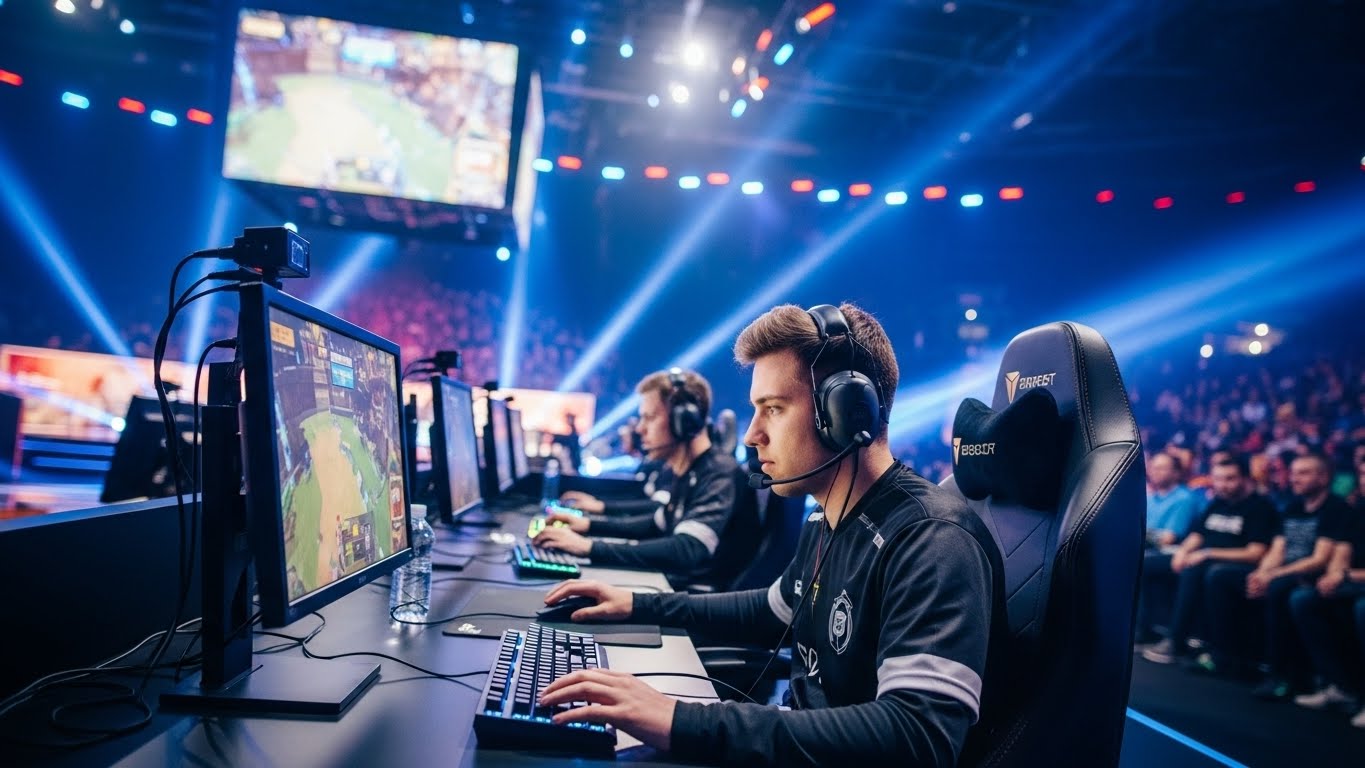
Introduction: Esports as a Global Phenomenon
Esports, or electronic sports, has evolved from a niche hobby into a global entertainment powerhouse. What started as casual gaming competitions in the early 2000s has now transformed into a multi-billion-dollar industry with professional players, dedicated teams, sponsorships, and massive tournaments watched by millions worldwide. The rise of esports reflects not just technological advancement but also a cultural shift in how society perceives gaming. It is no longer just a pastime; it has become a legitimate career path, a platform for social connection, and a medium for storytelling and competition.
The Evolution of Competitive Gaming
The roots of esports trace back to the earliest video game competitions, where players gathered in arcades or university campuses to challenge each other. Iconic games like Street Fighter, StarCraft, and Counter-Strike helped lay the foundation for competitive gaming, creating communities of players and fans. With the advent of online gaming and high-speed internet, competitions became more accessible and widespread, enabling global tournaments and online leagues. Today, esports encompasses a vast range of genres, from real-time strategy games and first-person shooters to battle royale games and sports simulations, appealing to diverse audiences across the globe.
The Structure of Esports Tournaments
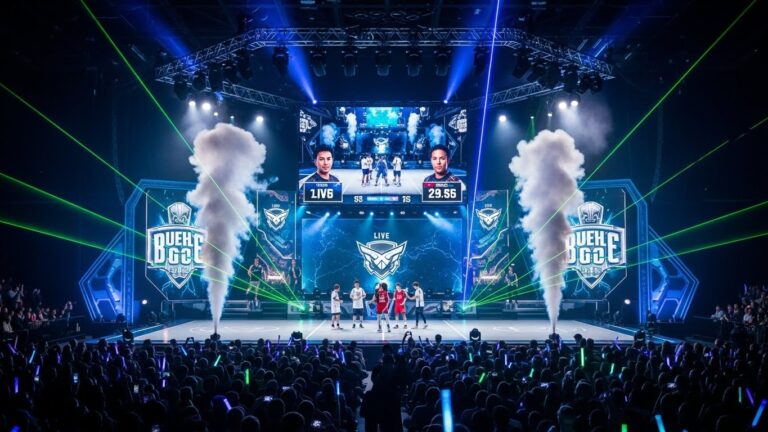
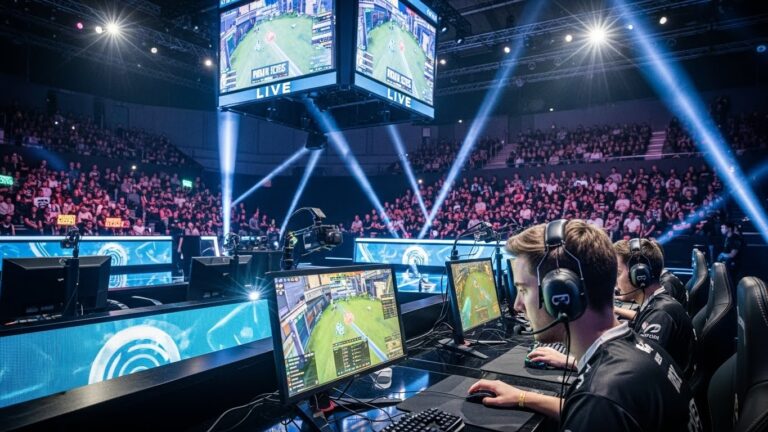
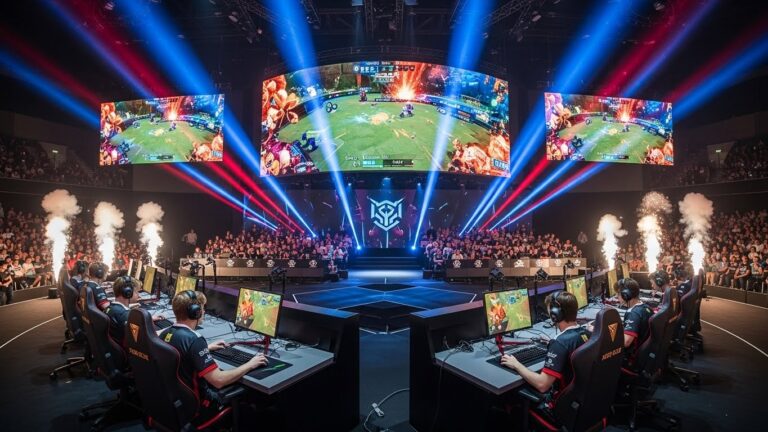
Modern esports tournaments are highly organized, often mirroring traditional sports leagues in structure and professionalism. These tournaments can range from local competitions to massive international events featuring millions of dollars in prize money. Major tournaments, such as the League of Legends World Championship or The International for Dota 2, draw viewership numbers that rival traditional sporting events. Professional teams operate like corporations, employing coaches, analysts, and content creators to enhance performance and maintain a fan base. The combination of strategic planning, skill development, and entertainment makes esports a unique hybrid of sport and media.
The Role of Streaming Platforms
Streaming platforms have been instrumental in the growth of esports, providing a space for fans to watch live competitions, interact with players, and engage with communities. Platforms such as Twitch and YouTube Gaming have turned competitive gaming into a spectator sport, allowing players to build personal brands and monetize their content. The accessibility of these platforms means that fans can watch tournaments from anywhere in the world, fostering a sense of global community. Streamers and professional players often double as entertainers, using personality and charisma to engage audiences beyond just gameplay.
Esports as a Career Path
What distinguishes esports from casual gaming is the opportunity for players to pursue professional careers. Skilled players can join teams, compete in tournaments, and earn substantial income through prize winnings, sponsorships, and streaming revenue. Esports careers are not limited to players alone; there are opportunities for coaches, analysts, commentators, and event organizers. Universities and academies have even begun offering scholarships for esports, recognizing it as a legitimate avenue for personal and professional growth. The professionalization of esports has opened doors for talent development and created a structured ecosystem that rivals traditional sports.
Economic Impact of Esports
The financial growth of esports has been staggering. Sponsorships, advertising, merchandise, and media rights contribute to a multi-billion-dollar industry that continues to expand annually. Brands recognize the marketing potential of esports, targeting younger audiences who are highly engaged with digital content. The economic influence of esports extends beyond the gaming industry, affecting technology, media, tourism, and event management sectors. Cities hosting major tournaments experience a surge in tourism, while technology companies benefit from increased demand for high-performance gaming hardware and software. The financial viability of esports has cemented its position as a major entertainment industry.
The Psychological and Social Aspects of Esports
Esports is not only about competition; it has significant psychological and social dimensions. Competitive gaming requires intense focus, strategic thinking, and teamwork, similar to traditional sports. Players must manage stress, maintain mental resilience, and continually adapt to evolving gameplay. Socially, esports fosters communities where fans and players connect over shared interests, forming friendships and networks across geographical boundaries. Online forums, fan clubs, and social media interactions contribute to a sense of belonging and identity within the esports ecosystem. While esports provides numerous benefits, it also raises concerns about screen time, mental health, and burnout, which must be addressed by players, teams, and organizations.
Technology Driving Esports Forward
Esports thrives on technological innovation. High-performance gaming PCs, consoles, peripherals, and fast internet connectivity are essential for professional play. Advances in virtual reality and augmented reality promise new ways to experience competitive gaming, offering immersive environments for players and audiences alike. Game developers continuously release updates, patches, and new titles to maintain engagement and competitiveness. Furthermore, data analytics and performance tracking tools help players optimize strategies and refine skills, transforming esports into a highly analytical and tech-driven endeavor.
Cultural Impact of Esports
The cultural significance of esports extends beyond the gaming community. Esports has influenced popular culture, fashion, music, and entertainment. Professional players have become celebrities, inspiring fans worldwide and reshaping perceptions of what it means to be an athlete. Esports tournaments often feature elaborate production, musical performances, and elaborate storylines, blurring the line between sports and entertainment. The growing acceptance of esports as a legitimate form of competition has challenged stereotypes about gaming and contributed to a broader appreciation for digital skill and creativity.
Esports and Education
Educational institutions are increasingly embracing esports as a tool for learning and engagement. Universities offer esports programs that teach game design, event management, broadcasting, and team dynamics. Students participating in esports gain valuable skills such as communication, strategic thinking, and digital literacy. Schools also recognize the potential of esports to promote inclusivity, teamwork, and leadership. By integrating esports into educational settings, institutions prepare students for careers in a rapidly evolving digital landscape, bridging the gap between academic learning and real-world experience.
Challenges Facing the Esports Industry
Despite its rapid growth, esports faces several challenges. Regulatory issues, player exploitation, cheating, and match-fixing threaten the integrity of competitive gaming. Health concerns, including repetitive strain injuries, poor posture, and mental burnout, are common among professional players. The industry also grapples with inclusivity and diversity, as female and minority players are underrepresented. Addressing these challenges requires collaboration between developers, teams, regulators, and players to ensure that esports remains sustainable, ethical, and accessible to a wider audience.
The Future of Esports
The future of esports looks promising, with continuous growth in audience, revenue, and global reach. Emerging technologies such as cloud gaming, AI-assisted gameplay, and immersive experiences will further enhance the industry. Esports is likely to expand into new regions, attracting diverse talent and fans. Integration with traditional sports, mainstream media, and entertainment will blur boundaries, creating hybrid experiences that appeal to both gamers and casual audiences. As the industry matures, professionalization, regulation, and innovation will be key factors shaping the trajectory of esports worldwide.
Conclusion: Esports as a Mainstream Cultural Force
Esports has transformed from a niche hobby into a mainstream cultural and economic force. It combines competition, entertainment, technology, and social interaction in ways that redefine traditional notions of sports and media. With professional players, global tournaments, and a growing fan base, esports continues to push the boundaries of what gaming can achieve. As technology evolves and society increasingly embraces digital forms of engagement, esports will remain at the forefront of entertainment, innovation, and cultural influence, shaping the way future generations play, watch, and connect.