



Introduction: The Explosive Growth of Esports
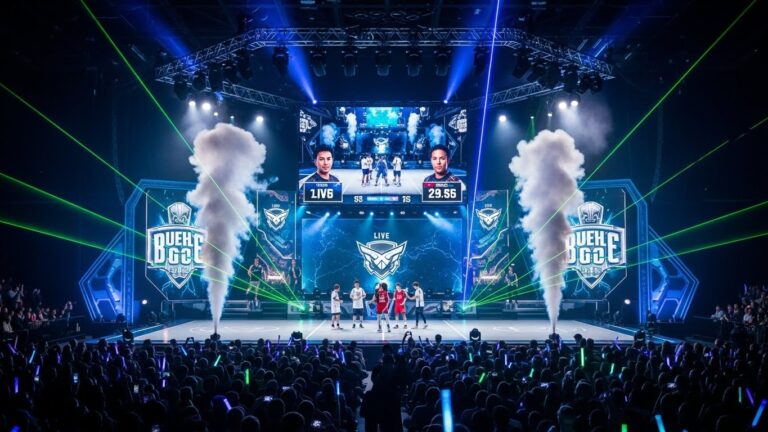
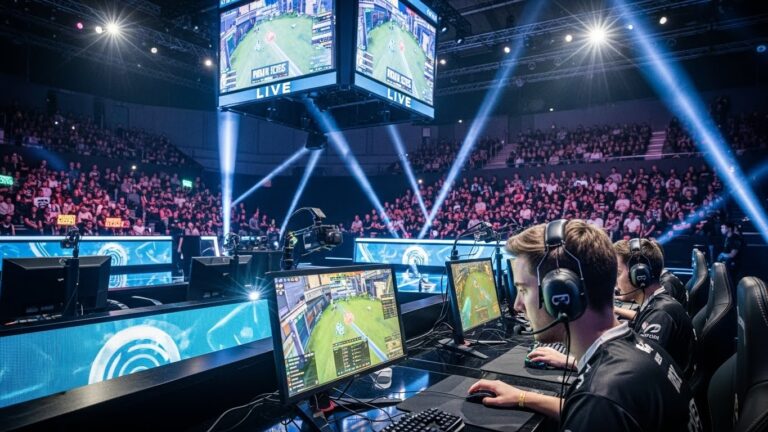
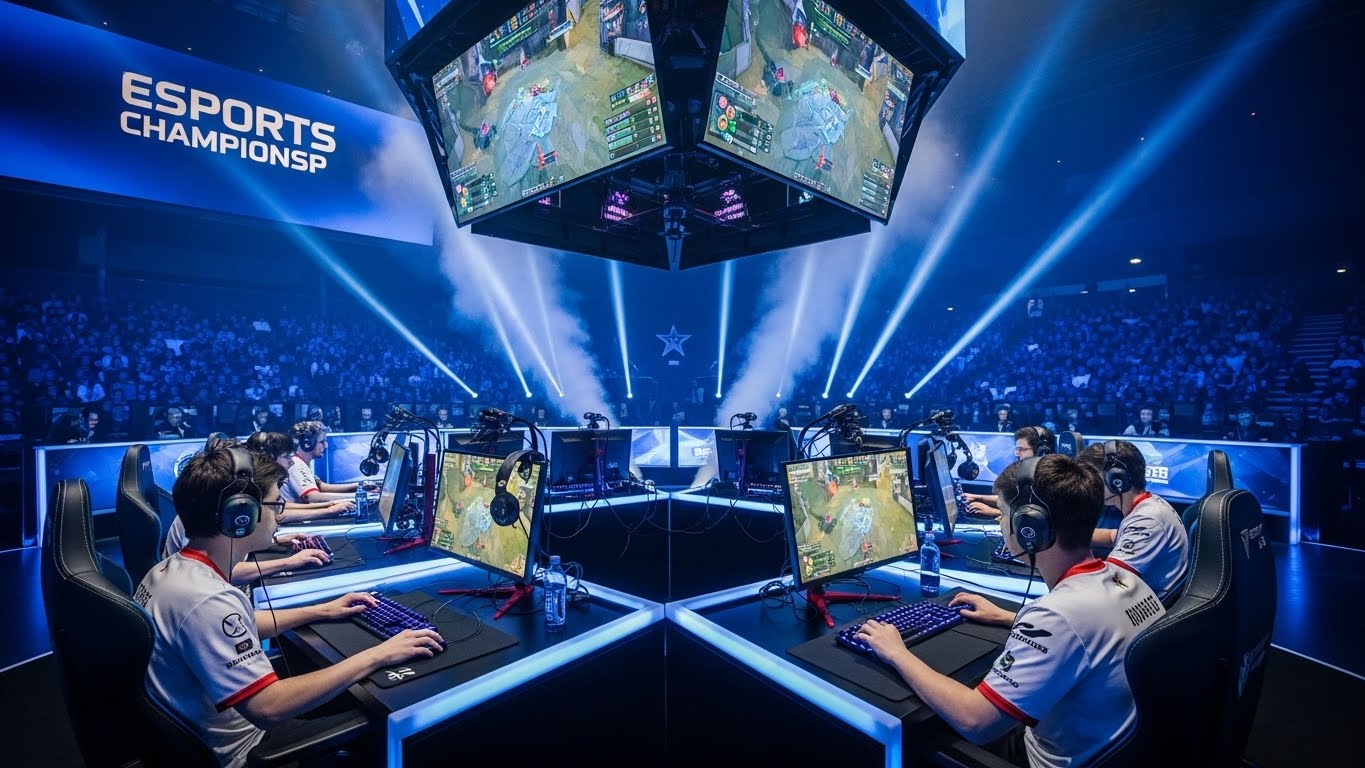
In recent years, esports has transformed from a niche hobby into a global phenomenon. Competitive gaming, once confined to underground tournaments and small-scale LAN parties, has exploded into a multibillion-dollar industry. With millions of fans worldwide, esports has become a mainstream form of entertainment, rivaling traditional sports in terms of viewership, prize money, and cultural impact. But what exactly is esports, and why has it grown so rapidly? This blog will delve into the world of esports, exploring its origins, the technology driving its growth, the impact on players and fans, and the future of competitive gaming.
What is Esports? Understanding the Basics
Esports, short for electronic sports, refers to organized, multiplayer video game competitions, particularly between professional players, individually or as teams. Unlike casual gaming, esports involves high levels of skill, strategy, and dedication. Titles like League of Legends, Counter-Strike: Global Offensive, Dota 2, Fortnite, and Overwatch have become household names within the esports community. Players compete in tournaments with large cash prizes, and these events are often streamed live, attracting millions of viewers across platforms like Twitch, YouTube, and Facebook Gaming.
At the heart of esports is competition. It’s a space where players showcase their skills, teams strategize to win, and fans cheer their favorite players or organizations. With its rise in popularity, esports has evolved from informal online tournaments to globally recognized leagues with sponsorships, endorsements, and media coverage.
The Origins of Esports: From Arcade Games to Professional Leagues
Esports has its roots in the early days of video gaming, which began in the 1970s and 1980s. One of the first recognized competitive gaming events was the 1972 Space Invaders Championship, where players competed to get the highest score. Over the years, gaming evolved into a more social activity with the introduction of multiplayer video games, where gamers could battle it out against each other over local networks.
However, it wasn’t until the late 1990s and early 2000s that esports began to gain traction. Games like StarCraft and Quake became popular in South Korea, where they were broadcast on television and began to take on the form of professional competitions. In 2000, the creation of organizations like the Cyberathlete Professional League (CPL) marked the beginning of organized esports events with real money prizes.
The real turning point for esports came in the mid-2000s with the advent of online gaming platforms and streaming services. Games like World of Warcraft and Counter-Strike allowed players to compete on a global scale, and platforms like Twitch launched in 2011, making it easier for fans to watch live tournaments and interact with players. This accessibility, combined with the growth of gaming culture, played a significant role in esports’ rise to mainstream recognition.
The Technology Behind Esports: Innovation and Accessibility
Technology has been a driving force behind the rise of esports. Advances in internet infrastructure, gaming hardware, and streaming platforms have made competitive gaming more accessible than ever before. High-speed internet has allowed for seamless online gaming experiences, making it possible for players from different parts of the world to compete against one another in real-time. Improved graphics and processing power in modern gaming consoles and PCs have also enhanced the gaming experience, making games more visually stunning and challenging.
Streaming platforms like Twitch and YouTube Gaming have brought esports into millions of homes. Viewers no longer need to attend tournaments in person to watch their favorite teams compete. Esports events are streamed live with high-quality broadcasts, commentary, and interactive features, allowing fans to experience the action in real-time, just like traditional sports. These platforms have also provided a direct revenue stream for players, streamers, and organizations through subscriptions, donations, and sponsorships.
Additionally, esports organizations have invested heavily in technology to enhance the player experience. High-tech training facilities, advanced gaming peripherals (such as high-refresh-rate monitors and responsive controllers), and sophisticated analytics are helping players improve their skills and gain a competitive edge. The role of data and analytics in esports is becoming increasingly important, with teams using performance metrics to fine-tune their strategies and optimize player performance.
Esports and Its Global Fanbase
Esports’ global fanbase is one of the key factors behind its success. Esports is no longer confined to a specific region or demographic. While it initially gained massive popularity in South Korea and North America, it has since spread worldwide. Countries like China, Germany, and Brazil now boast thriving esports scenes, with professional leagues, sponsors, and dedicated fanbases.
What sets esports apart from traditional sports is its accessibility. Players don’t need to be physically fit or follow specific rules of play; all they need is a good internet connection, a gaming device, and the desire to improve. This has allowed esports to attract a diverse audience, including people from all walks of life and age groups. Fans can tune into streams or participate in online tournaments from anywhere in the world.
Esports also has a unique social aspect. Fans are often able to interact with their favorite players through live chat, social media, and streaming platforms, creating a sense of community. The connection between players and fans in esports is often more personal and immediate than in traditional sports, as fans can watch players live, ask questions, and even donate money to support their favorite streamers.
The Economic Impact of Esports: A Billion-Dollar Industry
Esports is now a billion-dollar industry, with its revenue driven by sponsorships, advertising, media rights, merchandise sales, and ticket sales. Major companies like Coca-Cola, Intel, and Red Bull have invested heavily in esports, recognizing its potential as a marketing tool. Esports tournaments and leagues offer significant exposure to brands, which has led to the formation of multi-million-dollar partnerships.
The prize money in esports tournaments is also staggering. Games like Dota 2 have offered prizes worth tens of millions of dollars, attracting top-tier players from around the world. The global reach and massive audience of esports events make them highly valuable for sponsors and advertisers.
In addition to direct revenue, esports has created thousands of jobs in various sectors, including event management, broadcasting, marketing, and game development. This economic impact extends to the wider gaming industry, as esports events often drive sales of gaming hardware, software, and accessories.
The Future of Esports: Growth and Mainstream Recognition
The future of esports looks incredibly promising, with continued growth expected across all aspects of the industry. One of the most exciting developments is the potential for esports to become an Olympic sport. Discussions are underway about including esports in future Olympic Games, which would give the industry even more visibility and legitimacy. Esports has already made its way into events like the Asian Games, where it is considered a demonstration sport.
Another significant trend in the esports industry is the rise of collegiate esports programs. Many universities around the world are now offering scholarships for esports players, recognizing the skill and dedication required to excel in the field. These programs are helping to further professionalize the industry and provide a career path for young players.
Additionally, virtual reality (VR) and augmented reality (AR) are expected to play a major role in the future of esports. These technologies can create more immersive gaming experiences, enhancing both gameplay and viewer engagement. As VR and AR technologies improve, they could lead to entirely new formats for esports competitions.
Conclusion: Esports – More Than Just a Game
Esports has proven that it’s more than just a passing trend. It’s a global movement that has reshaped the way we think about competition, entertainment, and gaming. With its growing fanbase, massive economic impact, and innovative technological advancements, esports is poised to become a central part of the cultural and entertainment landscape for years to come. As more people embrace the world of esports, the lines between traditional sports and digital gaming will continue to blur, creating new opportunities for players, fans, and industries alike.
Esports has not only changed the way we watch games but also how we perceive gaming as a legitimate and exciting career path. Whether you’re a player, a fan, or simply someone curious about this new wave of competitive entertainment, one thing is clear: esports is here to stay.