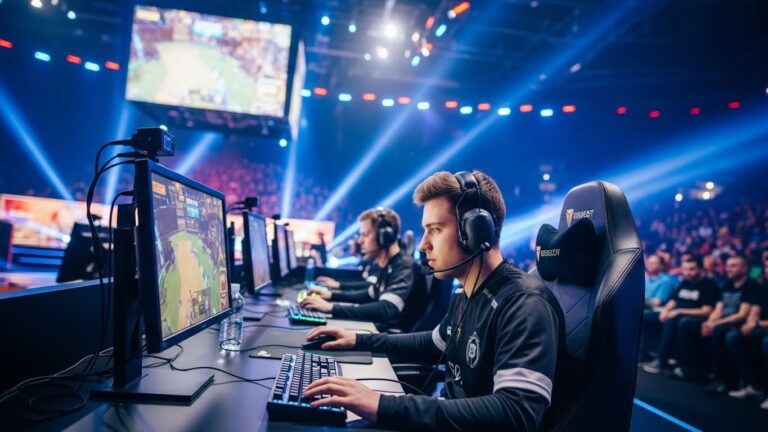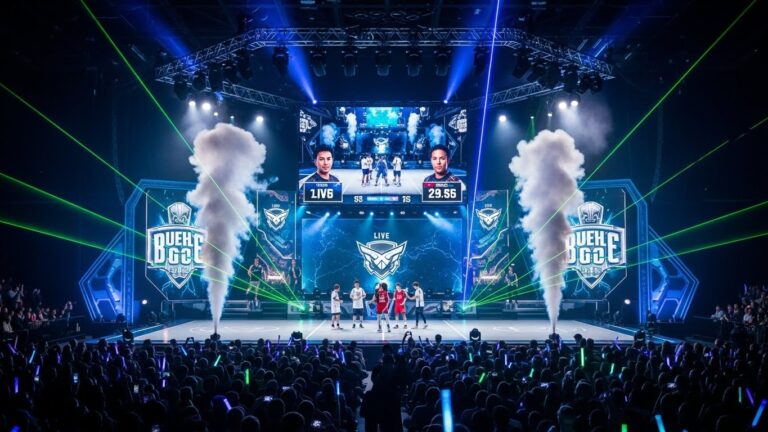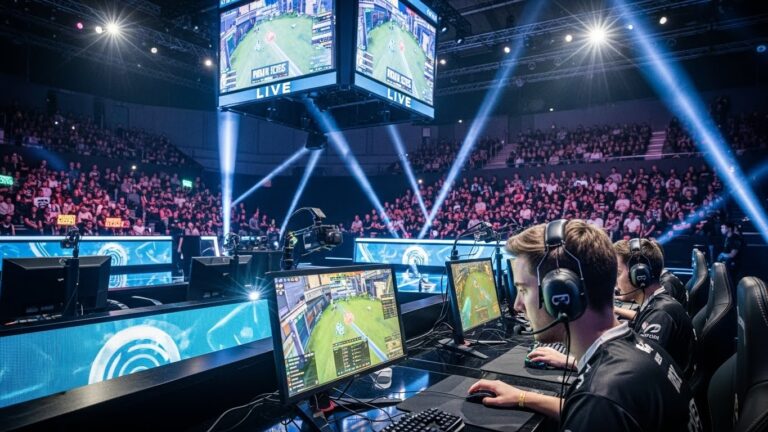



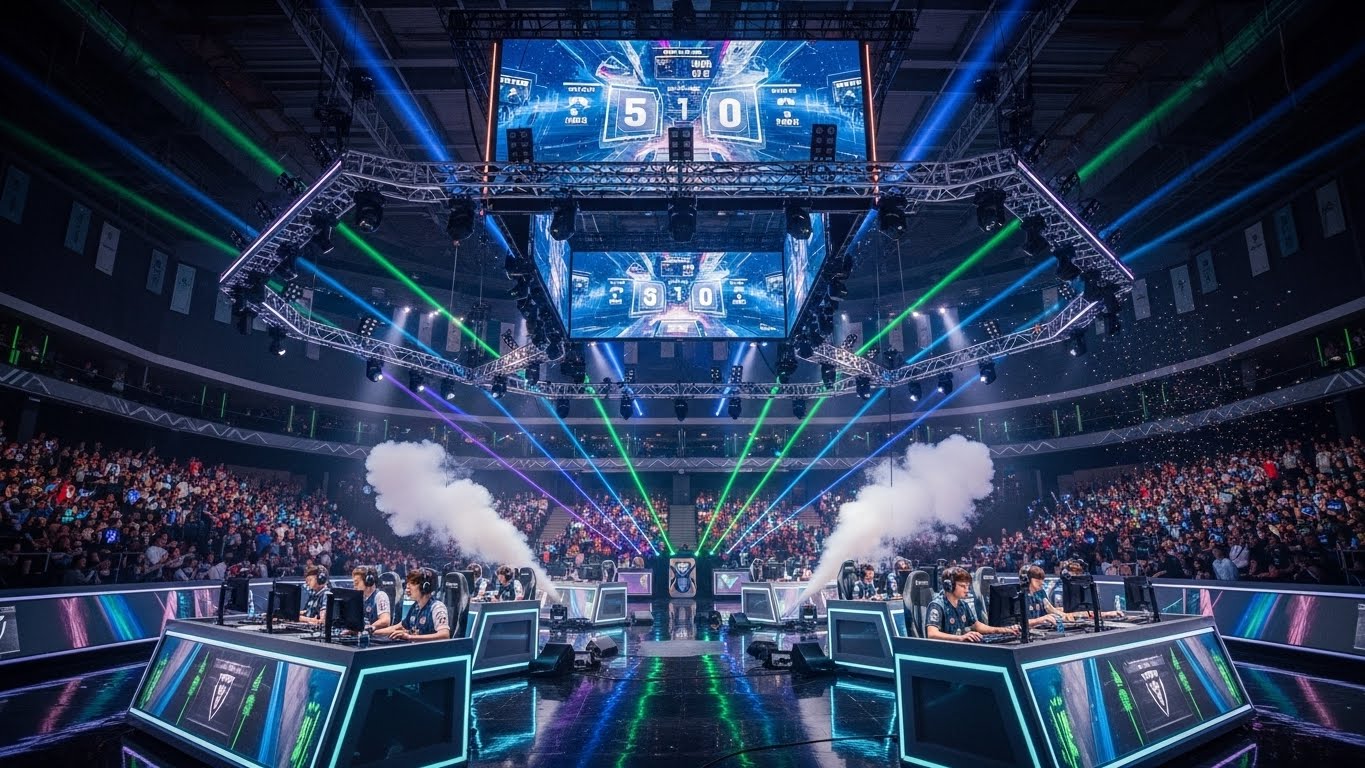
Over the last two decades, the world of competitive gaming has transformed from a niche subculture to a global multi-billion-dollar industry. What was once seen as a hobby or a pastime has now evolved into a professional sport with dedicated athletes, massive tournaments, and a rapidly growing fanbase. Esports, short for electronic sports, is reshaping the way we think about competition, entertainment, and the intersection of technology and culture. This blog post will explore the rise of esports, the elements that make it unique, the players and teams behind the games, the impact on traditional sports, and what the future holds for this exciting industry.
The Origins of Esports: From Arcade Games to Global Tournaments
The history of esports can be traced back to the early 1970s when competitive gaming first began to take shape in arcades. One of the earliest examples of competitive gaming was the 1972 Spacewar tournament at Stanford University. However, it wasn’t until the late 1990s and early 2000s that esports began to resemble what we recognize today.
Games like StarCraft, Quake, and Counter-Strike became the cornerstone of competitive gaming, with players and teams forming around specific titles. The first major esports tournaments were held in South Korea, where games like StarCraft: Brood War saw huge competitive scenes, and broadcasting competitions became a regular feature on television. South Korea is often cited as the birthplace of modern esports, thanks to its technological infrastructure, robust internet connectivity, and government support for the gaming industry.
As technology improved, so did the sophistication of the games themselves. With faster internet connections, more powerful hardware, and the rise of live-streaming platforms like Twitch, esports was primed to expand globally. Major tournaments such as The International (for Dota 2) and the League of Legends World Championship began to gain a worldwide audience, drawing in millions of viewers both online and in person.
The Key Elements that Define Esports
While esports shares many characteristics with traditional sports, there are several unique elements that set it apart. Understanding these differences is crucial to appreciating the cultural and technological impact esports has had on entertainment.
- Digital Platform: Unlike traditional sports that require physical venues, esports thrives on digital platforms. The games are played on personal computers, consoles, or mobile devices, and competitions often take place in virtual arenas, streamed live for millions of viewers. This digital accessibility allows esports to reach global audiences in a way that traditional sports cannot.
- Diversity of Genres: Esports is not confined to a single game or genre. From first-person shooters (FPS) like Counter-Strike and Overwatch to Multiplayer Online Battle Arenas (MOBAs) like League of Legends and Dota 2, the breadth of genres in esports allows players of all types to find their niche. This diversity also contributes to the global appeal of esports, as different countries gravitate toward specific types of games.
- Team-based vs. Solo Competition: While there are both team-based and individual esports titles, many of the most popular games emphasize teamwork and strategy. Games like League of Legends or Call of Duty require players to work together in coordinated efforts, while other games like Fortnite or Apex Legends provide a more individualistic approach to competition. The variety allows players to choose a style of play that suits their strengths, further adding to the appeal of esports.
- Professionalism and Training: Just like traditional athletes, professional esports players devote significant time and effort to perfecting their craft. Many players spend hours practicing, strategizing, and studying the game to remain competitive. Esports organizations now have full-time coaches, analysts, nutritionists, and psychologists to help players improve both in-game performance and mental resilience.
Esports Players and Teams: The New Age of Athletes
At the heart of any sport are its athletes, and in esports, the players have become celebrities in their own right. These individuals have made a career out of playing video games at the highest level. They’re no longer just “gamers” but are recognized as elite athletes, with sponsorships, media deals, and even fan followings.
One of the most iconic examples of esports success is the journey of Johan “N0tail” Sundstein, a professional Dota 2 player who has won multiple The International tournaments and earned millions in prize money. Players like him have become role models for a new generation of gamers, and their dedication to the sport is inspiring others to pursue professional gaming.
Esports teams also play a critical role in the industry’s success. Organizations like Team Liquid, Cloud9, T1, and Fnatic are household names in the esports community. These teams recruit top-tier talent, provide them with the necessary resources, and compete at the highest level in international tournaments. Much like traditional sports teams, these organizations are run like businesses, with team branding, marketing, and sponsorships contributing to their financial success.
In many cases, players sign lucrative contracts with these organizations and receive financial backing, performance bonuses, and even personal endorsement deals. As esports continues to grow, we can expect even more attention on the players and teams who dominate their respective games.
Esports and Traditional Sports: A Symbiotic Relationship
Esports has not only grown as a standalone entity but has also had a significant impact on traditional sports. The relationship between esports and physical sports is complex, with both benefiting from each other in various ways.
- Sports Sponsorships: Many major brands that have traditionally sponsored physical sports events, such as Nike, Adidas, and Red Bull, have now expanded their investments into esports. These companies recognize the value of targeting younger, tech-savvy audiences who are just as likely to be watching an esports tournament as they are to be watching a traditional sports game.
- Shared Infrastructure: As esports grows, it increasingly shares infrastructure with traditional sports. Many esports tournaments are now held in iconic sports arenas and stadiums, with fans attending live events. For example, the League of Legends World Championship Finals were held at the iconic Mercedes-Benz Arena in Berlin, and The International in Dota 2 was held at the KeyArena in Seattle. This crossover into established sports venues further legitimizes esports in the eyes of mainstream audiences.
- Physical Training: While esports players are not engaged in physical competition in the traditional sense, they do require intense mental focus and reaction times. The physical demands of esports are often overlooked, but many top players now incorporate physical exercise into their routines to maintain peak performance. This blending of mental and physical training mirrors the approach taken by athletes in traditional sports.
- Fan Base Overlap: Esports has introduced a new generation to the world of sports fandom. Many fans of traditional sports now find themselves following esports competitions, enjoying the strategic depth, fast-paced action, and camaraderie that these games offer. Likewise, esports fans are increasingly discovering traditional sports, creating a bridge between the two types of entertainment.
The Future of Esports: What’s Next?
As we look toward the future of esports, there are several exciting developments on the horizon that could further shape the industry.
- Increased Investment: With esports becoming a billion-dollar industry, investment from major companies and venture capitalists is only set to increase. In 2023, esports sponsorships reached a new high, with companies from outside the gaming industry, including automobile and financial brands, entering the scene. This influx of money will fuel further growth, bringing in better production values, higher prize pools, and better facilities for players and fans.
- Integration with Traditional Media: The growing integration of esports with traditional media outlets could elevate the industry’s visibility. Networks like ESPN and TNT have already started broadcasting major esports events, and we may soon see esports being included in mainstream sports networks, attracting even larger audiences. The future of esports could involve partnerships with TV channels, streaming platforms, and even the Olympics.
- Virtual Reality (VR) and Augmented Reality (AR): VR and AR technologies are poised to revolutionize the gaming experience. In esports, this could lead to more immersive experiences for players and fans alike. Imagine a Counter-Strike or Fortnite tournament where players wear VR headsets to experience the game in a fully immersive environment. This could take both gameplay and spectating to new heights, providing a deeper level of interaction.
- Diversity and Inclusivity: As esports continues to grow, there will be an increased focus on diversity and inclusivity. Many organizations and tournaments are already making strides to ensure that players from diverse backgrounds feel welcome. Gender, age, and cultural barriers are slowly being broken down, with more opportunities for women, underrepresented communities, and players from various regions to compete at the highest level.
Conclusion: Esports as the Future of Entertainment
Esports has undeniably made its mark on the entertainment industry. What started as a niche interest has grown into a global phenomenon, with millions of fans, professional players, and lucrative sponsorship deals. The industry has shown that gaming is more than just a hobby – it’s a legitimate form of competition, entertainment, and cultural expression. As esports continues to grow, it is clear that the boundaries between gaming, sports, and entertainment will only become more blurred, creating a rich and dynamic ecosystem that will captivate audiences for years to come.
The rise of esports marks a new era in entertainment, where technology, competition, and passion intersect to create a thrilling experience for both players and fans. Whether you’re a die-hard fan or a casual observer, it’s clear that esports is here to stay, and the best is yet to come.