

Introduction: The Birth of a Digital Arena
For decades, sports have been synonymous with fields, courts, and stadiums. Fans cheered for athletes pushing the boundaries of physical endurance and strategy. But the dawn of the digital age gave rise to a new form of competition—one where reflexes are measured in milliseconds, teamwork is executed through headsets, and the battleground exists in pixels rather than grass or turf. This is the world of Esports, a multi-billion-dollar industry that has redefined what it means to be an athlete and what it means to be a fan.
What once began as casual gaming tournaments among friends has now evolved into a global phenomenon with packed arenas, professional leagues, corporate sponsors, and millions of fans watching online. Esports is no longer a niche hobby—it is a legitimate sport, a thriving business, and a cultural movement that continues to reshape entertainment as we know it.
The Humble Beginnings: From Arcades to Arenas
The story of Esports begins in the 1970s and 80s, long before high-speed internet and live streaming. Early video game competitions were small and often local, hosted in arcades or university campuses. The first widely recognized video game tournament took place in 1972 at Stanford University, featuring the game “Spacewar.” The prize? A year’s subscription to a magazine. It was humble, yet historic—it marked the first organized event where video games were treated as a competitive platform.
The 1980s saw the rise of arcade culture, where players competed for high scores on machines like “Pac-Man” and “Donkey Kong.” These early contests were less about head-to-head battles and more about setting records, but they set the tone for competition. Magazines and television shows began to spotlight top players, planting the seeds of celebrity in the gaming community.
It was the 1990s, however, that truly transformed competitive gaming. The rise of home consoles and the advent of multiplayer computer games allowed players to compete directly. Titles like “Street Fighter II,” “StarCraft,” and “Quake” created the first true Esports ecosystems. Gamers began forming clans, organizing tournaments, and even traveling internationally to prove their skill. These developments laid the groundwork for what would become an industry of global significance.
The Internet Revolution: Connecting Players and Audiences
The late 1990s and early 2000s were a turning point. As the internet became faster and more accessible, it connected millions of players worldwide. No longer limited to local arcades or LAN parties, gamers could now compete in real time with opponents across continents. Online platforms transformed casual gaming into a deeply social and competitive experience.
Games like “Counter-Strike,” “Warcraft III,” and “StarCraft: Brood War” became cornerstones of early Esports culture. South Korea, in particular, embraced Esports like no other nation. The country built professional leagues, established dedicated gaming channels, and treated players like celebrities. South Korean players were the first to demonstrate that gaming could be a serious career path.
Streaming technology and platforms like YouTube and Twitch later revolutionized Esports viewership. For the first time, fans could watch tournaments live from their homes. Gamers became not only competitors but entertainers, building fanbases that rivaled those of traditional athletes. This accessibility made Esports truly global, breaking barriers of geography, language, and culture.
The Modern Era: When Gaming Became a Profession
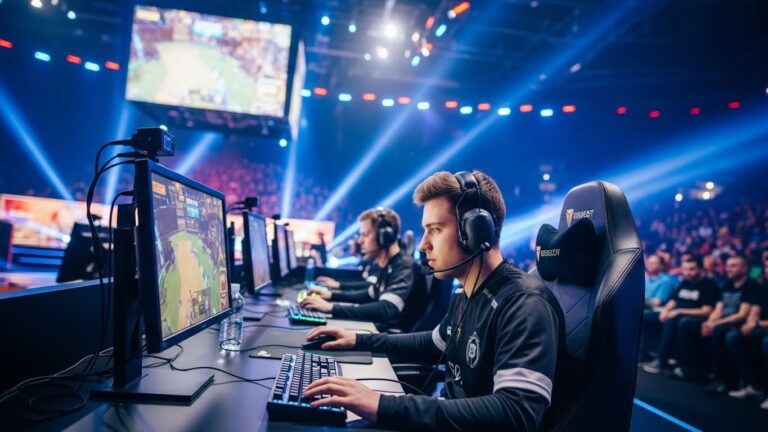
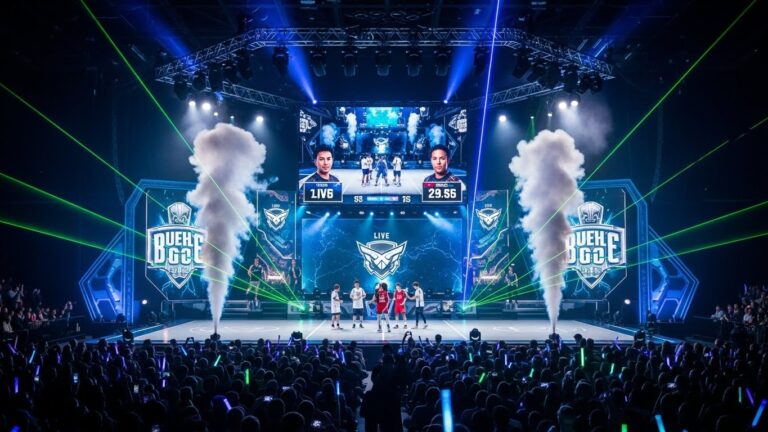
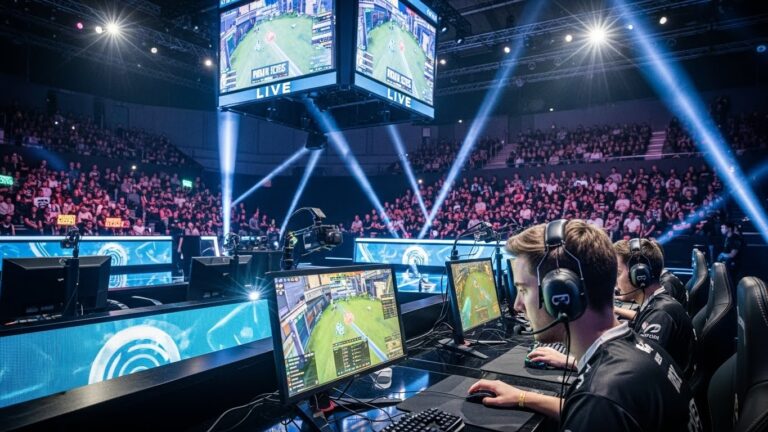
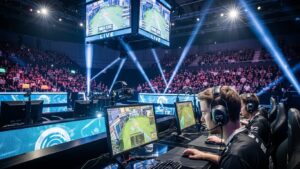
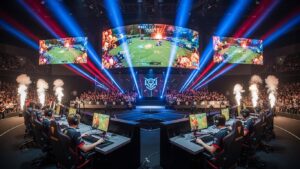
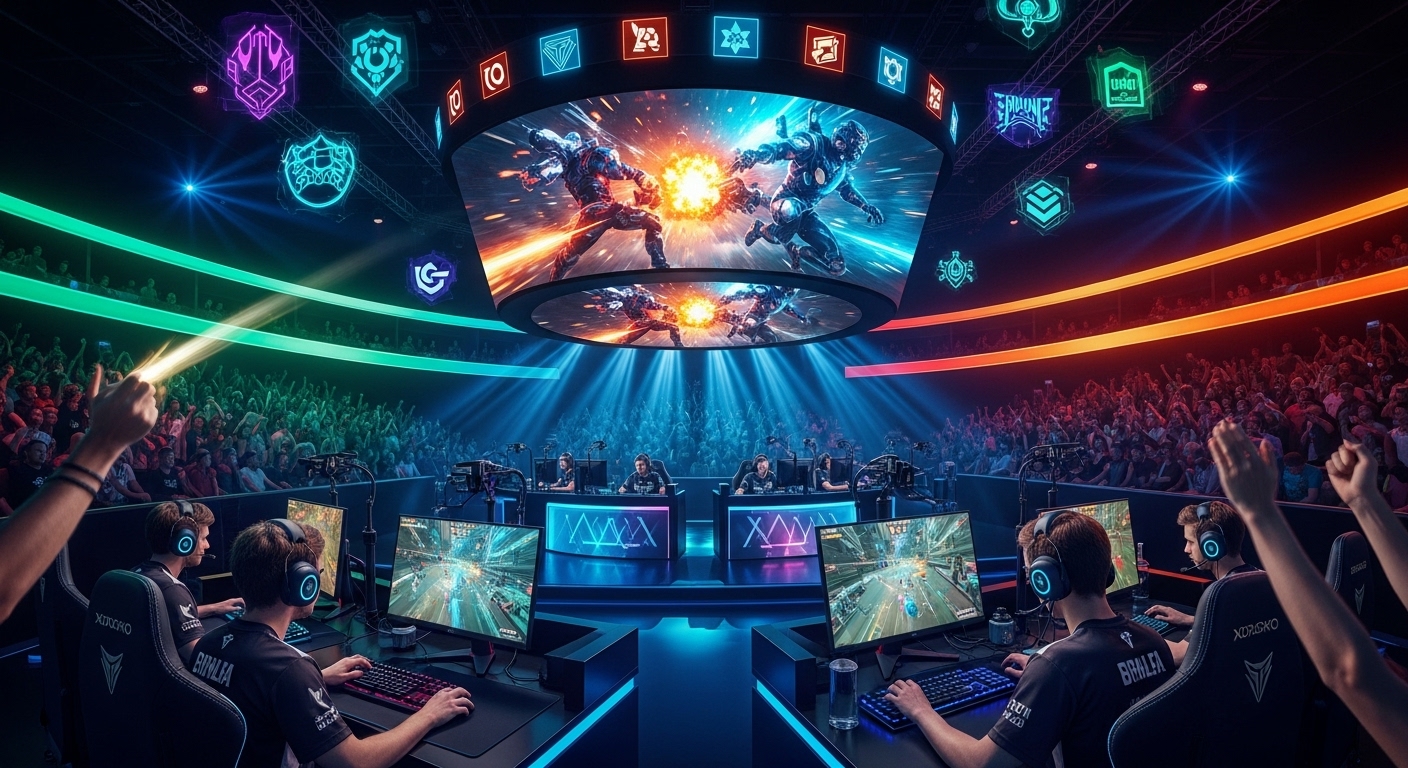
Today, Esports is no longer an underground movement—it is a legitimate global industry. Major tournaments like “The International” for Dota 2, “League of Legends World Championship,” and “Fortnite World Cup” attract millions of viewers and offer prize pools that rival those of established sports. These events fill entire stadiums, with fans waving banners, chanting team names, and wearing jerseys of their favorite players.
Professional players train for hours each day, refining their reflexes, strategies, and teamwork. They have coaches, analysts, nutritionists, and even psychologists to ensure peak performance. The discipline required mirrors that of any traditional sport. Teams are often backed by major organizations, some even owned by traditional sports clubs, signaling the fusion of old and new athletic worlds.
Sponsorship and advertising play a crucial role in the Esports ecosystem. Global brands from technology, energy drinks, and apparel invest heavily in teams and tournaments. Media rights, streaming platforms, and merchandise sales generate additional revenue streams, turning Esports into a self-sustaining economy. What once started as hobbyist competitions now contributes billions to the global entertainment industry.
The Games That Defined a Generation
Every era of Esports has been defined by the games that captured the imagination of players and spectators alike. In the early days, strategy titles like “StarCraft” showcased the importance of multitasking, timing, and resource management. “Counter-Strike” brought team-based tactical gameplay to the forefront, demanding coordination and precision.
The rise of multiplayer online battle arena (MOBA) games, especially “League of Legends” and “Dota 2,” transformed Esports into a spectacle of strategy, teamwork, and drama. These games, with their complex mechanics and massive online communities, became the backbone of modern Esports. Meanwhile, “Overwatch” and “Valorant” merged first-person shooting with hero-based gameplay, blending genres and drawing diverse audiences.
The battle royale genre added yet another twist. Titles like “Fortnite” and “PUBG” captured mainstream attention with their accessible gameplay and unpredictable matches. Esports was no longer confined to hardcore gamers—it became part of popular culture, appealing to children, parents, and even celebrities.
The Culture of Esports: Beyond the Game
Esports is not just about competition—it’s a culture, a lifestyle, and a community. The fan experience mirrors that of traditional sports, with fan art, cosplay, and meet-and-greets with players. Online forums and social media create a sense of belonging among millions of fans worldwide. Streamers and content creators add personality and humor to the scene, turning gaming into entertainment that transcends competition.
Esports also fosters inclusivity. While traditional sports can be limited by physical attributes, gaming offers a more level playing field. Players of all genders, backgrounds, and abilities can compete at the highest level. Although challenges remain regarding representation and inclusivity, the Esports community continues to evolve toward diversity.
Another fascinating aspect is the role of storytelling. Every team has its rivalries, every tournament its upsets, and every player their journey of triumph and failure. These narratives transform Esports from mere matches into emotional experiences that captivate fans. The drama, the comebacks, the underdog victories—all contribute to its magnetic appeal.
The Role of Technology: Powering the Digital Revolution
Technology is the backbone of Esports. From high-performance gaming hardware to streaming platforms and data analytics, innovation fuels every aspect of the industry. The constant evolution of technology ensures that Esports remains dynamic and forward-looking.
Game developers now design with Esports in mind, creating spectator-friendly features like in-game cameras, instant replays, and commentary tools. Virtual reality and augmented reality are beginning to make appearances, hinting at a future where spectators might step into the arena digitally.
Artificial intelligence and data analytics are transforming how teams prepare and strategize. By analyzing massive datasets, teams can study opponents’ tendencies, optimize training routines, and identify weaknesses. The intersection of gaming and technology makes Esports not only entertaining but also a fascinating example of human-computer synergy.
Education and Esports: A New Path for Youth
Esports is increasingly finding its place in education. Schools and universities around the world are recognizing its potential for teaching teamwork, leadership, and strategic thinking. Esports programs now exist in high schools and colleges, complete with scholarships and training facilities.
This shift challenges old stereotypes about gaming. No longer seen as a distraction, gaming is being recognized as a legitimate avenue for skill development. Students learn discipline, communication, and problem-solving through organized Esports programs. Educational institutions are also beginning to explore the broader industry, offering degrees in Esports management, broadcasting, and game design.
The inclusion of Esports in education also opens doors for students who might not connect with traditional athletics. It provides an opportunity for them to excel in a different arena, fostering confidence and a sense of belonging.
Challenges Facing the Esports Industry
Despite its meteoric rise, Esports faces several challenges that must be addressed for sustainable growth. One major issue is player burnout. The intense training schedules, travel demands, and constant pressure can take a toll on mental health. Unlike traditional sports, Esports careers are often short, with players retiring in their twenties due to the physical and psychological demands of the game.
Integrity is another challenge. As money flows into the industry, issues like match-fixing, cheating, and performance-enhancing substances have emerged. Maintaining fairness and transparency is crucial to protecting the credibility of Esports.
Furthermore, the industry faces questions of regulation and standardization. There is no single governing body overseeing global Esports, leading to inconsistencies in rules, player contracts, and tournament organization. As the industry grows, establishing ethical and legal frameworks will be vital.
Another pressing concern is inclusivity and representation. While the community is diverse, the professional scene still struggles with gender imbalance and accessibility issues. Addressing these challenges will determine how inclusive and equitable the future of Esports becomes.
The Economic Powerhouse: Business Behind the Battles
Esports is not just entertainment—it’s big business. Global revenues from sponsorships, advertising, media rights, and merchandise continue to soar. Brands see Esports as a gateway to reach younger, tech-savvy audiences who consume media differently from previous generations.
Franchise-based leagues, similar to those in traditional sports, are emerging around popular titles. Teams operate like professional businesses, complete with management, branding, and long-term strategies. The growth of Esports infrastructure—from training facilities to dedicated arenas—reflects its maturation into a mainstream industry.
Media companies, too, are investing heavily in Esports broadcasting. The production quality of major tournaments rivals that of any sporting event, complete with commentary, analysis desks, and cinematic storytelling. As Esports continues to blur the line between sport and entertainment, its commercial potential only expands.
The Global Stage: Esports Without Borders
Esports transcends geography and language. Unlike many traditional sports that are regionally dominant, gaming unites players and fans worldwide. A viewer in Brazil can cheer for a team from South Korea, while a player in Europe can compete in an American league. This global accessibility has made Esports one of the most inclusive forms of entertainment in history.
The global reach also means cultural exchange. Fans learn about different languages, traditions, and humor through gaming communities. Tournaments held in various countries attract international tourism and promote cross-cultural understanding. Esports, in many ways, has become a global language of its own.
The Future of Esports: Where Pixels Meet Possibility
As technology and culture continue to evolve, so too will Esports. Virtual reality could soon transform how we experience competition, placing fans directly inside the action. Cloud gaming will make high-end performance accessible to more players, expanding participation worldwide.
The integration of Esports into mainstream sports is already happening. Traditional sports teams are investing in Esports divisions, and hybrid events are emerging that blend physical and digital competition. Esports may one day be recognized alongside football, basketball, and tennis as an Olympic event—a concept that once seemed unthinkable.
The metaverse and digital identity will likely play a major role in shaping the next era of Esports. Fans might attend tournaments through avatars, interact with players in virtual spaces, and buy digital merchandise. The boundaries between player, fan, and creator will blur even further.
Yet, amid all these changes, one truth will remain constant: the spirit of competition. Whether through keyboards, controllers, or virtual interfaces, the drive to test skill, strategy, and creativity will continue to fuel Esports for generations to come.
Conclusion: A New Definition of Sport
Esports represents more than just gaming—it’s a reflection of how humanity adapts to technology, how creativity thrives in competition, and how community can be built across digital boundaries. It challenges old notions of what sport can be and opens new possibilities for entertainment, education, and connection.
The journey of Esports from a university lab in 1972 to billion-dollar stadium events is a testament to innovation and passion. It proves that the essence of sport—dedication, teamwork, skill, and glory—can exist just as powerfully in the virtual realm as in the physical one.
As the world continues to evolve, Esports will remain at the forefront of cultural transformation, reminding us that competition is universal, play is timeless, and the arena—no matter how digital—is always human at its core.