



In the last two decades, the world of competitive gaming, popularly known as esports, has transformed from a niche hobby into a global phenomenon. Esports now captivates millions of viewers, attracts multi-million-dollar sponsorships, and has become a legitimate career path for talented players. The evolution of esports mirrors technological advancements, cultural shifts, and the growing popularity of online communities. Understanding this landscape requires delving into its history, its impact on society, the economics behind it, and the future possibilities that lie ahead.
Origins of Competitive Gaming
Competitive gaming has roots that trace back to the early days of video games. In the late 1970s and early 1980s, video games like Space Invaders and Pac-Man inspired local competitions, where high scores were celebrated in arcades and small tournaments. These events were primarily social gatherings but laid the groundwork for structured competition.
The 1990s marked a significant turning point with the rise of PC gaming and the introduction of multiplayer capabilities. Games such as Doom, Quake, and StarCraft enabled players to compete over networks, fostering communities and rivalries that transcended local arcades. Early tournaments during this period were often organized by gaming magazines or small gaming clubs, but they introduced the concept of esports as a structured, competitive experience.
The Explosion of Online Multiplayer
The early 2000s saw the proliferation of broadband internet, which transformed the landscape of competitive gaming. Online multiplayer games allowed players from different regions to compete in real time, creating opportunities for larger-scale tournaments. Games like Counter-Strike, Warcraft III, and World of Warcraft helped define the competitive gaming ecosystem.
Online forums and early streaming platforms facilitated the growth of gaming communities, enabling players to share strategies, organize tournaments, and celebrate victories. These communities were crucial in establishing esports as more than just casual play, emphasizing skill, strategy, and teamwork.
Emergence of Professional Esports
By the mid-2000s, esports began to professionalize. Dedicated leagues and tournaments emerged, offering prize pools that attracted top-tier talent. One notable milestone was the rise of the World Cyber Games and the Electronic Sports World Cup, which sought to emulate the structure of traditional sports with organized competitions, standardized rules, and international representation.
The emergence of professional players introduced the concept of esports as a viable career path. Players began to receive salaries, sponsorships, and contracts, while organizations formed teams to compete at a high level. This period marked the beginning of a global esports infrastructure, with dedicated teams, coaches, analysts, and management.
Popular Esports Titles and Their Impact
Different games have shaped the esports industry in unique ways. Multiplayer Online Battle Arena (MOBA) games like League of Legends and Dota 2 revolutionized team-based strategy competitions. Their complex mechanics, combined with a spectator-friendly format, allowed for large-scale tournaments and millions of viewers worldwide.
First-Person Shooters (FPS) like Counter-Strike: Global Offensive and Overwatch emphasized precision, reflexes, and tactical coordination. These games attracted players who excelled under pressure and rewarded consistency over time.
Fighting games, such as Street Fighter and Super Smash Bros., built their own niche, focusing on one-on-one skill battles and intimate community tournaments. Meanwhile, real-time strategy games like StarCraft II demonstrated that strategic thinking, resource management, and adaptability could captivate audiences as much as fast-paced action.
Each genre contributed to esports in its way, diversifying the player base, viewership, and competitive formats.
Esports as Spectator Entertainment
One of the most defining features of esports is its appeal as spectator entertainment. Unlike traditional sports, where spectators are limited to stadium attendance or television broadcasts, esports thrives on digital platforms. Live streaming platforms allow millions of fans to watch tournaments in real time, interact with commentators, and follow their favorite players.
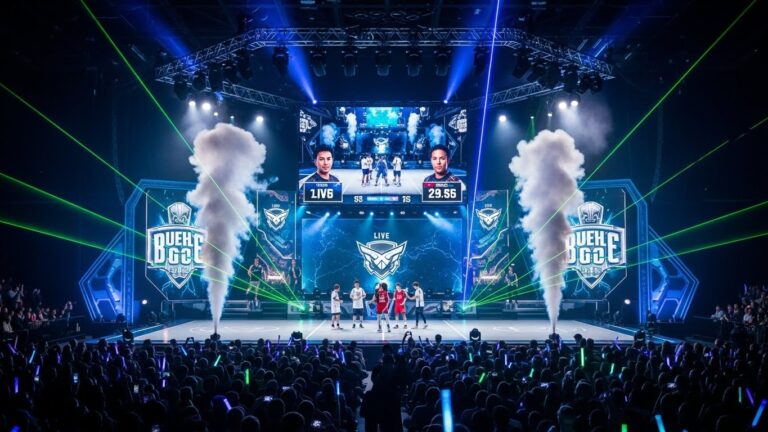
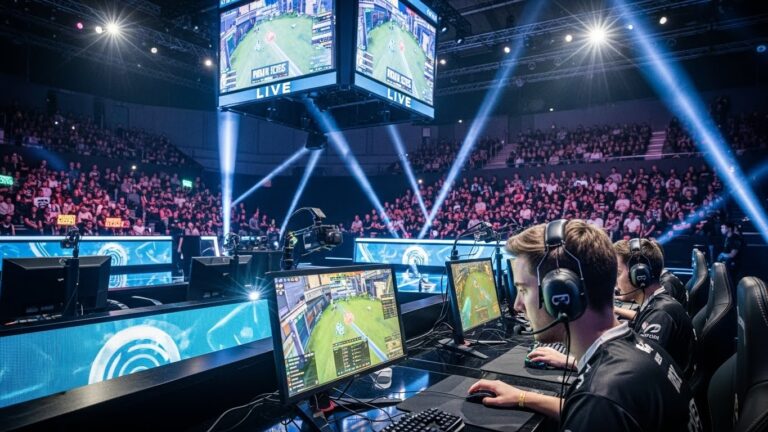
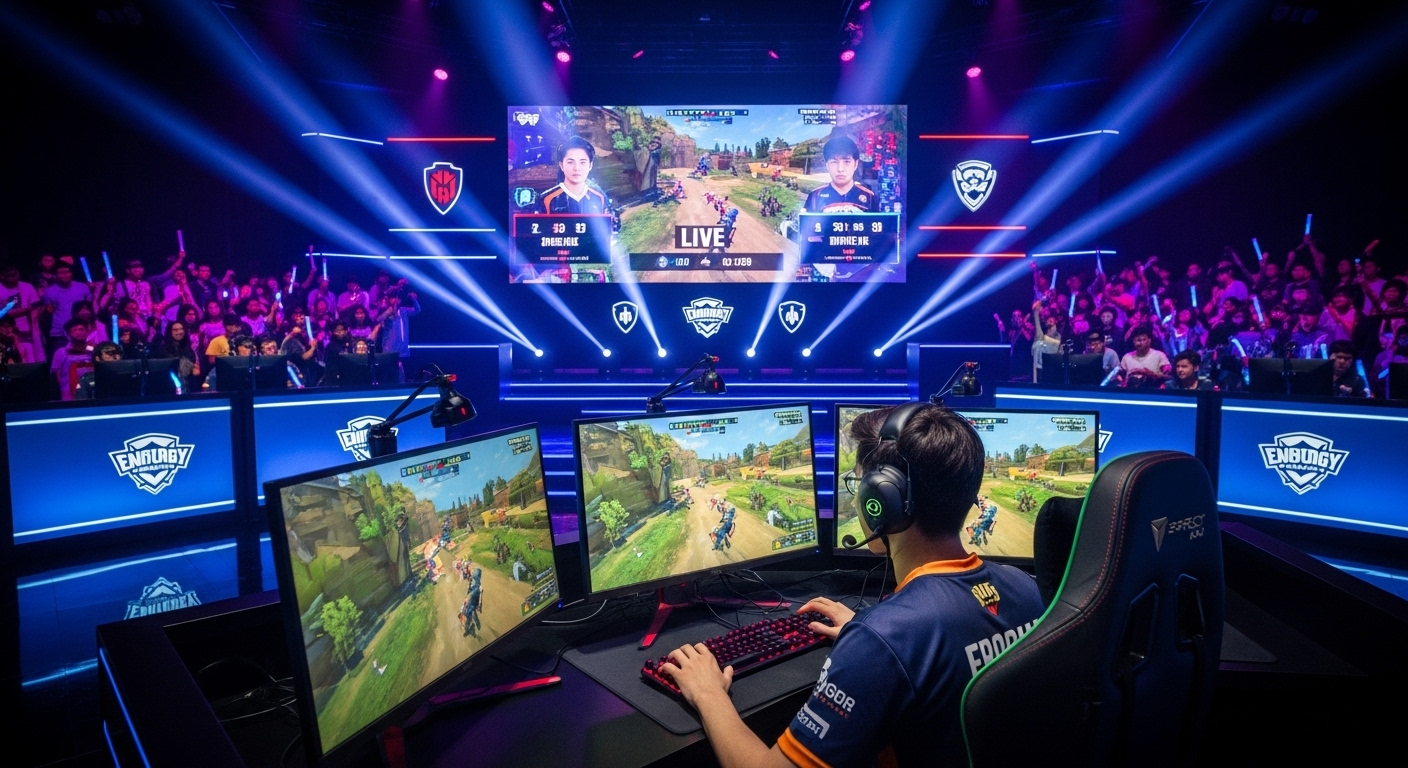
Professional esports tournaments are often presented with the production quality of traditional sports events. Multiple camera angles, live commentary, expert analysis, and highlight reels make competitions accessible to casual viewers while still catering to hardcore fans. This combination of accessibility and spectacle has helped esports carve out its own entertainment niche, rivaling traditional sports in terms of audience engagement.
Economic Impact of Esports
The economic ecosystem surrounding esports has grown tremendously. Revenue streams include sponsorships, advertising, merchandise, ticket sales, and media rights. Major brands recognize the influence of esports, leveraging tournaments and influencers to reach younger demographics. Sponsorships from technology companies, energy drink brands, and apparel companies have become commonplace, demonstrating the commercial viability of the industry.
Prize pools for major tournaments have also skyrocketed. Events like The International in Dota 2 have featured multi-million-dollar prize pools funded partially through crowdfunding. Such high stakes not only incentivize competitive excellence but also attract mainstream media attention, further legitimizing esports as a global phenomenon.
The Role of Technology in Esports
Advancements in technology have been instrumental in the growth of esports. High-speed internet, powerful gaming hardware, and sophisticated software have enabled seamless online competitions. Live streaming platforms provide a direct connection between players and fans, while analytics and data tracking tools allow teams to optimize performance and strategize effectively.
Virtual reality and augmented reality are beginning to influence esports, opening possibilities for immersive experiences and novel game formats. Cloud gaming also promises to democratize access, allowing players with lower-end hardware to participate in high-level competition.
Training, Discipline, and the Life of a Professional Gamer
The life of a professional esports player is often misunderstood. Contrary to popular stereotypes, top-tier players maintain rigorous training regimens, including strategic practice, teamwork exercises, physical fitness, and mental conditioning. The competitive nature of esports demands focus, adaptability, and resilience, much like traditional sports.
Players must also manage public exposure, streaming commitments, and personal branding. The pressure to perform consistently can be intense, highlighting the importance of support systems, coaching, and professional management. The dedication required to excel in esports underscores its legitimacy as a serious career path rather than a casual pastime.
Esports and Education
Esports has begun to influence education, with schools and universities offering esports programs and scholarships. Collegiate esports leagues provide students with opportunities to compete at high levels while pursuing academic goals. These programs often include training facilities, coaching staff, and structured competitions, mirroring professional esports infrastructure.
Educational institutions recognize the value of esports in teaching teamwork, problem-solving, leadership, and strategic thinking. By integrating esports into curricula and extracurricular activities, schools are preparing students for careers both within and outside the gaming industry.
Social and Cultural Impact of Esports
Esports has reshaped social and cultural perceptions of gaming. Once considered a solitary or frivolous hobby, competitive gaming is now celebrated for skill, strategy, and entertainment value. Communities formed around esports foster collaboration, mentorship, and global connections. Fans identify with teams, players, and tournaments, creating shared experiences that transcend geographic boundaries.
Moreover, esports has promoted inclusivity and diversity. Women, LGBTQ+ individuals, and players from underrepresented regions increasingly participate in competitive gaming, challenging stereotypes and broadening the community’s reach. Cultural exchange through esports has created a global network where ideas, strategies, and fandom flourish.
Challenges Facing the Esports Industry
Despite its growth, esports faces several challenges. Player burnout and mental health concerns are significant issues, as the demands of competitive gaming can be intense. Ensuring fair competition, preventing cheating, and regulating emerging technologies like AI-assisted gameplay are ongoing concerns.
Monetization and sustainability also present challenges. While top-tier tournaments attract massive sponsorships and viewership, smaller leagues and amateur players often struggle to generate revenue. Establishing stable infrastructure for aspiring players and teams is crucial for the long-term viability of esports.
The Future of Esports
The future of esports is bright and multifaceted. As technology continues to evolve, new gaming genres, immersive experiences, and global connectivity will expand the competitive landscape. Mobile esports is emerging as a major segment, particularly in regions with high smartphone penetration but limited PC access.
Esports may also integrate further with traditional sports, entertainment, and media industries, creating hybrid events and experiences. Virtual stadiums, interactive spectator features, and cross-platform tournaments are on the horizon.
Ultimately, esports represents a fusion of competition, entertainment, and community. Its growth trajectory suggests that it will continue to influence culture, technology, and society for years to come.
Conclusion
Esports has evolved from humble beginnings in arcades and LAN parties to a multi-billion-dollar global industry. Its impact is felt across entertainment, economics, education, and culture. The journey of esports is a testament to human creativity, technological innovation, and the enduring appeal of competition.
As esports continues to mature, it challenges traditional notions of sports, entertainment, and professional achievement. It offers opportunities for players, spectators, and entrepreneurs alike, promising a future where gaming is not just a pastime but a celebrated and respected domain of human endeavor.
Whether you are a player, a fan, or an observer, the rise of esports is impossible to ignore. Its story is still being written, and its potential to reshape the world of entertainment and competition is boundless.