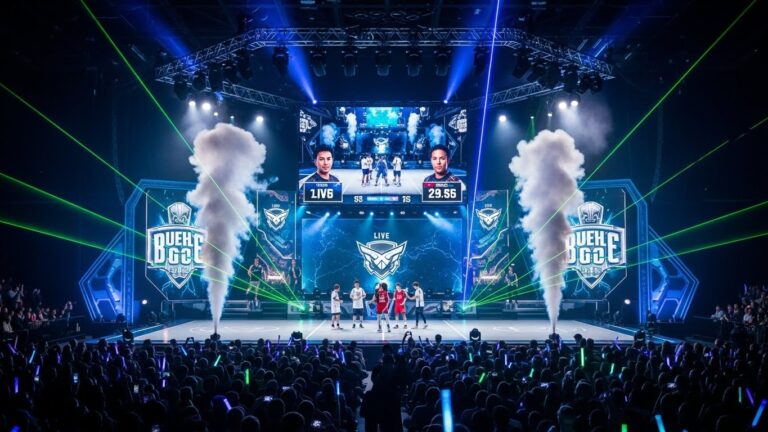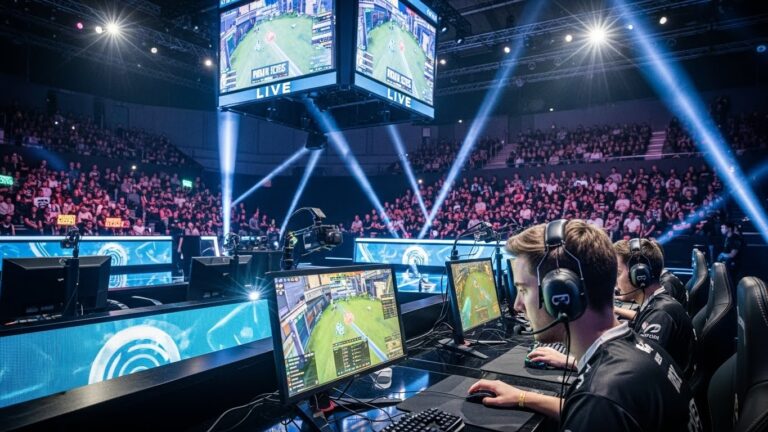





In recent years, esports has grown from a niche interest into a multi-billion-dollar global industry. What was once an obscure activity enjoyed by a small community of gamers has transformed into a worldwide cultural force that attracts millions of fans, generates massive revenues, and creates career opportunities for professional players, coaches, analysts, content creators, and even broadcasters. Esports is no longer just about playing video games; it is a legitimate form of competition, entertainment, and business. From being broadcasted on mainstream sports networks to occupying giant stadiums filled with cheering fans, esports has become an integral part of the entertainment landscape.
In this blog post, we will explore the rise of esports, its significance in modern society, the key factors that contribute to its explosive growth, and what the future holds for this dynamic industry.
What Exactly Is Esports?
Esports, short for electronic sports, refers to organized competitive gaming, where individuals or teams compete in video game titles for both prestige and monetary rewards. While gaming has always been a form of recreation, esports elevates the experience to a competitive level akin to traditional sports like football, basketball, or tennis.
The games played in esports can vary widely, from fast-paced first-person shooters like Counter-Strike: Global Offensive to multiplayer online battle arenas (MOBAs) like League of Legends, or battle royales such as Fortnite. Regardless of the genre, the central theme of esports is competition. The players involved spend hours practicing, perfecting their skills, learning game mechanics, and strategizing for upcoming tournaments, much like athletes in traditional sports.
Unlike casual gaming, where players participate for fun and entertainment, esports is characterized by the level of organization, professionalism, and the drive to win. Tournaments are often sponsored, and many esports events are live-streamed or broadcast globally, attracting viewers in the millions.
The Rise of Esports: From Hobby to Global Industry
The growth of esports can be attributed to several key factors. To understand its meteoric rise, it’s important to consider the technological advances, the rise of streaming platforms, and the evolving attitudes toward gaming in general.
Early Beginnings of Esports
The roots of esports trace back to the 1990s, when competitive gaming began in the form of small LAN (Local Area Network) tournaments. These were typically held in basements or school gyms, with players connecting their computers to play multiplayer games such as Quake and StarCraft. These early tournaments were the precursor to the more organized and large-scale events we see today.
However, it wasn’t until the early 2000s that esports began to take a more formalized shape. One of the most significant milestones in esports history was the launch of the World Cyber Games (WCG) in 2000. This event, which was modeled after the Olympic Games, allowed players from around the world to compete against one another in games like StarCraft and Warcraft III. It was a breakthrough moment that demonstrated the global potential of competitive gaming.
Technological Advancements Fueling Esports Growth
The rapid advancement of gaming technology has been one of the driving forces behind the rise of esports. The shift from single-player experiences to online multiplayer games was a game-changer, opening up the possibility for players around the world to compete against each other in real-time. Early breakthroughs in broadband internet made it possible for players to participate in online multiplayer games without needing to be in the same physical location. This eliminated the barriers posed by geography and allowed for the creation of large-scale tournaments that could be accessed from anywhere in the world.
At the same time, advancements in gaming hardware, such as powerful gaming PCs, consoles, and accessories, allowed players to compete at a professional level. Games became more sophisticated, and the hardware required to play them at a high level evolved to meet these needs. This combination of improved technology and better online infrastructure allowed esports to grow into the colossal industry it is today.
The Rise of Streaming Platforms
In 2011, the launch of the streaming platform Twitch fundamentally changed the esports landscape. Twitch provided gamers with a platform to broadcast their gameplay to a global audience. It allowed players and fans to interact in real-time through live chats, giving rise to a new kind of community engagement. The platform not only became a hub for gamers to showcase their skills but also created an entirely new industry in esports broadcasting.
Twitch’s popularity sparked the creation of other streaming platforms like YouTube Gaming and Facebook Gaming, which further democratized the way esports content was distributed. Fans could now watch high-level gameplay from anywhere in the world, and tournaments could be streamed live to millions of viewers. This led to a huge influx of sponsorships, investments, and advertising, turning esports into a financially viable venture. Streaming platforms also provided a direct revenue stream for professional players and teams, as many players began to build their own fanbases and monetize their content through ads, subscriptions, and donations.
The Emergence of Esports Leagues and Tournaments
In the past decade, esports has witnessed the development of professional leagues and tournaments that mirror traditional sports. League of Legends, Overwatch, Counter-Strike, and Dota 2 are just a few games that have established competitive leagues and organized tournaments. The League of Legends World Championship, for example, attracts millions of viewers each year and boasts prize pools that can reach tens of millions of dollars. This level of competition and the opportunity for players to make substantial financial gains has made esports an attractive career for many.
Another noteworthy development has been the advent of franchise leagues, such as the Overwatch League and the Call of Duty League, which are modeled after traditional sports leagues like the NBA and NFL. These leagues feature city-based teams, long seasons, and structured schedules, giving esports a more professional, organized framework. As a result, esports has started to attract more mainstream attention, and many teams now have dedicated fanbases that rival those of traditional sports teams.
The Business Side of Esports
Esports has quickly become a multi-billion-dollar industry, with revenues generated from various sources, including sponsorships, media rights, merchandise sales, and ticket sales for live events. According to Newzoo, a leading market research firm, the global esports industry was projected to surpass $1 billion in revenue in 2021, with substantial growth expected in the coming years.
Sponsorships and Advertising
One of the primary revenue streams for esports comes from sponsorships. Major brands, ranging from tech companies to consumer goods, have recognized the value in sponsoring esports teams and events. Companies like Intel, Coca-Cola, Red Bull, and Mercedes-Benz have been active sponsors in esports, providing both financial support and promotional backing.
The rise of esports has also attracted the attention of traditional sports sponsors. With the younger generation of fans increasingly turning to esports instead of traditional sports, advertisers have seen the opportunity to reach a highly engaged and lucrative audience. This has resulted in deals with global brands like Nike, Adidas, and even betting companies, further solidifying esports as a mainstream entertainment option.
Media Rights and Streaming Revenue
Media rights, the fees paid by broadcasters and streaming platforms to air esports events, have become another critical source of revenue. Large esports tournaments, like the League of Legends World Championship and The International for Dota 2, have been broadcast on mainstream television networks and streaming platforms. These broadcasting deals have opened up new revenue channels for both the organizers and the players involved.
Furthermore, the advent of live streaming has created a new business model for esports organizations and players. By broadcasting their gameplay on platforms like Twitch, professional players can earn money through ad revenue, subscriptions, and donations from their viewers. Esports organizations, on the other hand, can use these platforms to promote their brands, attract sponsors, and build a community of loyal fans.
Merchandise and Ticket Sales
Just like traditional sports teams, esports organizations have capitalized on the sale of merchandise, such as jerseys, hats, and posters, to generate revenue. Fans can show their support for their favorite teams by purchasing official merchandise, and this has created a robust market within the esports industry.
Ticket sales for live events also contribute to the financial success of esports. Major tournaments and championships are held in large arenas and stadiums, where fans can watch their favorite teams compete in person. For example, the League of Legends World Championship has attracted tens of thousands of spectators to venues in cities such as Los Angeles, Paris, and Seoul.
The Esports Ecosystem: Players, Teams, and Fans
Esports is not just about the games themselves; it’s a vibrant ecosystem involving players, teams, coaches, analysts, and fans. The players are the stars, and their success in tournaments often leads to lucrative contracts, sponsorships, and endorsement deals. However, behind every successful player is a team of coaches, analysts, and support staff who help them optimize their strategies and performance.
Professional Esports Players
Professional esports players are highly skilled individuals who dedicate countless hours to mastering the games they play. These players often train for several hours each day, practicing specific strategies, studying opponents, and staying in top mental and physical shape. While esports players might not face the same physical demands as traditional athletes, the mental acuity and focus required to succeed in esports are just as intense.
The life of an esports player is demanding. Players travel frequently for tournaments, often living out of hotels and spending long hours training and competing. Despite these challenges, the rewards can be significant, with top players earning millions in salary, sponsorships, and tournament prizes. Some of the most successful esports players, like Faker (League of Legends) and Johan “N0tail” Sundstein (Dota 2), have amassed personal fortunes through their skill and success in the industry.
Esports Teams and Organizations
Esports teams are organized groups of players who compete together in specific games or tournaments. These teams can range from small grassroots organizations to large, multinational corporations. Some of the biggest names in esports include Team Liquid, Cloud9, T1, and Fnatic, who field teams in various games and boast a global fan following.
Esports organizations often sign sponsorship deals, manage player contracts, and organize training schedules. They play a crucial role in helping players reach their full potential, providing them with resources, support staff, and access to top-tier tournaments. In return, these organizations earn revenue from sponsorships, tournament prizes, and media deals.
The Fans
The fans are perhaps the most important part of the esports ecosystem. They are the driving force behind the success of esports, attending live events, watching streams, and supporting their favorite players and teams. Esports fans are highly engaged, often forming communities online to discuss strategies, share content, and show their loyalty.
Social media platforms like Twitter, Instagram, and Reddit have become integral to esports culture, with fans interacting with players, teams, and sponsors directly. The accessibility and interactivity of esports have helped foster a sense of connection between fans and players, creating a dynamic relationship that drives the industry forward.
The Future of Esports
As esports continues to evolve, there are several key trends that will shape its future.
The Integration of Virtual Reality (VR) and Augmented Reality (AR)
Virtual reality and augmented reality technologies are expected to have a significant impact on esports in the coming years. VR gaming could offer players and spectators a fully immersive experience, allowing them to engage with the game world in new ways. AR, on the other hand, could enhance live broadcasts by providing real-time data overlays and interactive features, enriching the viewing experience.
Greater Inclusivity
Esports has the potential to be more inclusive than traditional sports, as it doesn’t rely on physical attributes like strength or speed. This makes it an attractive option for individuals from all backgrounds, genders, and abilities to participate in competitive gaming. There is a growing focus on making esports more diverse and inclusive, with several organizations launching initiatives to encourage women, minorities, and disabled gamers to compete at the highest level.
Mainstream Recognition and Legitimization
Esports is gradually gaining recognition from governments and educational institutions as a legitimate form of competition. In some countries, esports is even being included in school curricula and being recognized as a professional sport. As the industry matures, it is expected to gain more mainstream acceptance and legitimacy, possibly even becoming an Olympic sport in the future.
Conclusion
Esports has rapidly evolved from a niche hobby into a global industry, attracting millions of fans, generating billions in revenue, and providing career opportunities for professional players, coaches, broadcasters, and analysts. The industry’s growth has been fueled by advances in technology, the rise of streaming platforms, and the increasing mainstream acceptance of gaming as a form of entertainment. As esports continues to grow and evolve, its impact on both the gaming industry and global culture will only become more pronounced. For gamers, fans, and investors alike, esports represents the future of competitive gaming and entertainment.