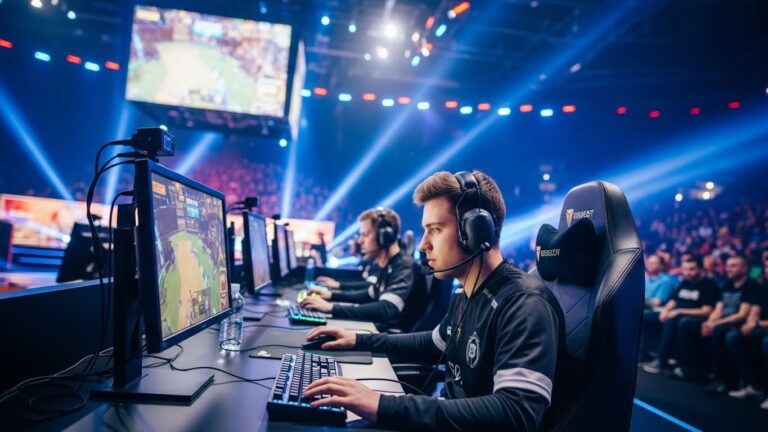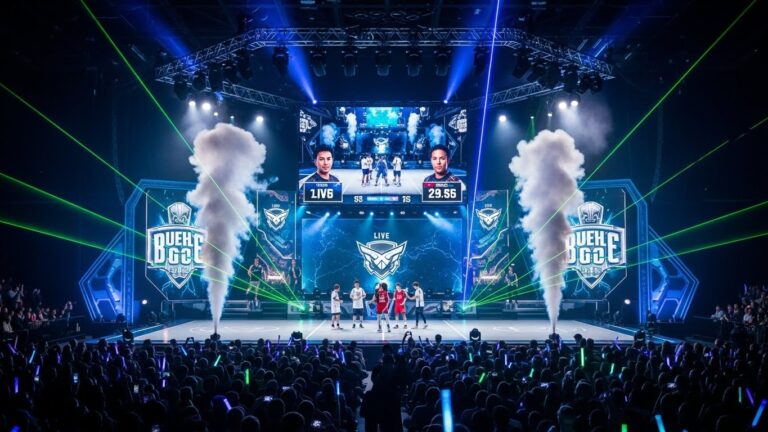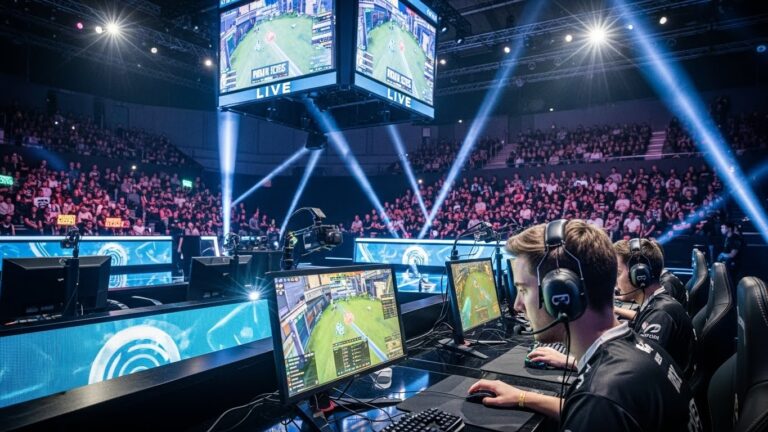





Esports, or competitive video gaming, has evolved from small local competitions to a worldwide industry with millions of viewers, professional teams, and multi-million-dollar tournaments. What began as informal gaming contests among friends has transformed into a structured, highly competitive sport that rivals traditional athletics in popularity and commercial value. Today, esports is a cultural, economic, and technological powerhouse, shaping entertainment, media, and youth culture across the globe.
This blog explores the history, development, global impact, and future of esports, analyzing how it has become one of the most influential and dynamic sectors in entertainment today.
The Origins of Esports
The roots of esports stretch back to the early days of video gaming in the 1970s and 1980s. In arcades, players competed for high scores on games like Pong, Space Invaders, and Pac-Man. These early competitions were informal, but they highlighted the competitive potential of video games. Players began to challenge one another, sharing tips, strategies, and rivalries that mirrored traditional sports.
In 1980, one of the earliest known large-scale gaming competitions, the Space Invaders Championship, attracted thousands of participants in the United States. This event demonstrated that video games could draw large audiences and create excitement comparable to other competitive activities. As personal computers became more widespread in the 1980s and 1990s, competitive gaming began to move from arcades to homes, fostering a growing community of gamers who engaged in tournaments and local leagues.
The Emergence of Professional Gaming
The late 1990s and early 2000s marked the beginning of professional esports. South Korea emerged as the epicenter of competitive gaming with the rise of StarCraft: Brood War. The game’s fast-paced, strategic gameplay made it ideal for organized competition. Professional players were sponsored by corporations, featured in television broadcasts, and treated like athletes. South Korea’s esports infrastructure included dedicated gaming arenas, coaching systems, and extensive media coverage, setting the standard for other countries.
Around the same time, Europe and North America developed their own competitive scenes. Games like Counter-Strike, Warcraft III, and Quake became popular in organized tournaments. International competitions began to emerge, fostering global rivalries and creating opportunities for players to gain fame and earn substantial prize money.
Technology as a Catalyst
Technology has played a crucial role in the growth of esports. High-speed internet, advanced gaming hardware, and live streaming platforms have enabled competitions to reach audiences worldwide. Professional gaming requires precise control, rapid reaction times, and strategic thinking. This has driven innovations in computer processors, graphics cards, monitors, and peripherals such as mechanical keyboards and high-DPI mice.
Streaming platforms revolutionized how fans engage with esports. Twitch, YouTube Gaming, and Facebook Gaming allow millions of viewers to watch live matches, interact with players, and participate in gaming communities. The accessibility of streaming has turned esports into a spectator sport, creating fandoms and communities that rival those of traditional sports leagues.
Popular Esports Game Genres
Esports encompasses a wide variety of game genres, each with its own competitive appeal:
Multiplayer Online Battle Arena (MOBA): Games like League of Legends and Dota 2 dominate this category. They require teamwork, strategy, and quick decision-making. Matches are highly tactical, with players assuming specialized roles to achieve victory.
First-Person Shooters (FPS): Games such as Counter-Strike: Global Offensive, Valorant, and Call of Duty test players’ aim, reflexes, and strategic positioning. FPS esports often feature high-stakes matches that emphasize individual skill and team coordination.
Real-Time Strategy (RTS): Titles like StarCraft II and Age of Empires challenge players to manage resources, build units, and execute complex strategies under time pressure. RTS games highlight both strategic foresight and micromanagement.
Sports Simulation Games: FIFA and NBA 2K simulate real-world sports, offering esports competitions that parallel traditional athletics. They attract players who enjoy both gaming and the dynamics of professional sports.
Fighting Games: Street Fighter, Tekken, and Super Smash Bros. focus on one-on-one combat, demanding precise execution, timing, and reaction speed. Fighting game tournaments have a loyal global following and a distinct competitive culture.
Each genre appeals to different demographics, creating a diverse esports ecosystem that caters to various gaming preferences.
Global Esports Industry and Revenue
Esports has become a multi-billion-dollar global industry. Sponsorships, media rights, tournament revenue, merchandise sales, and advertising contribute to its growth. Tournaments such as The International for Dota 2, the League of Legends World Championship, and Counter-Strike Majors offer multi-million-dollar prize pools, drawing international attention and massive live and online audiences.
Professional esports organizations operate similarly to traditional sports franchises. Players are signed to contracts, receive salaries, and benefit from coaching, training facilities, and medical support. Corporate investment in esports continues to increase as brands recognize the marketing potential of reaching highly engaged, digitally savvy audiences.
The Impact of Streaming and Online Communities
Streaming has become central to esports culture. Live broadcasts allow fans to interact directly with players through chat, subscriptions, and donations. This engagement creates a sense of community and intimacy, with viewers feeling personally connected to their favorite players and teams.
Beyond live competition, content creation has expanded esports into entertainment. Players share tutorials, gameplay highlights, behind-the-scenes footage, and personal vlogs. This variety strengthens the esports ecosystem, attracting casual viewers and hardcore fans alike. Online communities also organize fan tournaments, discussions, and fan art, further embedding esports into digital culture.
Training, Strategy, and Professionalism
Esports players train rigorously, often six to ten hours a day, focusing on reflexes, game knowledge, and teamwork. Unlike casual gaming, professional play requires discipline, mental resilience, and continuous improvement.
Teams employ coaches, analysts, psychologists, and nutritionists to maximize performance. Training involves reviewing gameplay, studying opponents, and refining strategies. Esports also emphasizes communication, coordination, and adaptability, making team cohesion critical for success. The level of preparation rivals that of traditional professional sports, demonstrating that esports is a serious athletic endeavor.
Major Esports Tournaments
International esports tournaments have become cultural events. Some of the most prominent include:
The International: Dota 2’s flagship tournament, known for its community-funded prize pools exceeding millions of dollars.
League of Legends World Championship: An annual global competition that attracts the best teams from multiple regions and garners millions of viewers.
Counter-Strike Global Offensive Majors: High-profile FPS tournaments showcasing tactical skill, teamwork, and precision.
Overwatch League: A franchise-based league with city-based teams, emphasizing both competitive integrity and fan engagement.
These tournaments offer intense competition, professional production values, and substantial media coverage, cementing esports as a legitimate spectator sport.
Esports and Youth Culture
Esports is closely intertwined with youth culture. Teenagers and young adults are the primary participants and consumers. Gaming communities provide spaces for socialization, collaboration, and mentorship. Players form teams, engage in leagues, and connect with peers who share similar interests, often creating friendships that extend beyond the virtual world.
Esports also promotes creativity. Fans produce content, design mods, and contribute to community events. Participation in esports fosters problem-solving, strategic thinking, and collaboration skills, offering both entertainment and educational value.
The Business Model of Esports
Esports generates revenue through multiple channels: sponsorships, advertising, merchandise, ticket sales, and media rights. Major corporations invest in teams and events to reach engaged audiences. Professional players earn salaries, tournament winnings, and endorsements, creating sustainable career opportunities.
Organizations also develop business strategies similar to traditional sports franchises. They invest in brand building, fan engagement, content production, and international expansion. The growth of esports has attracted venture capital and media partnerships, solidifying its status as a significant global industry.
Integration with Traditional Sports
Esports increasingly intersects with traditional sports. Football clubs, basketball teams, and motorsport franchises have established esports divisions. Athletes often participate in gaming events, bridging the gap between physical and digital competition.
This crossover expands audiences, enhances visibility, and legitimizes esports as a professional endeavor. It demonstrates that competitive spirit transcends medium and that esports can coexist with traditional sports as a respected and viable form of athleticism.
Challenges in Esports
Despite its growth, esports faces several challenges. Mental and physical health is a concern due to long hours, repetitive movements, and high stress levels. Burnout is common, prompting organizations to prioritize wellness and sustainable training practices.
Regulatory issues also persist. Unlike traditional sports, esports lacks a unified governing body, leading to inconsistencies in rules, player contracts, and tournament standards. Ensuring fair competition, ethical practices, and player rights remains an ongoing challenge.
Cultural acceptance varies. While esports enjoys legitimacy in many regions, some still perceive it as a casual pastime rather than a serious profession. Overcoming stereotypes is essential for further growth and recognition.
The Future of Esports
The future of esports is promising. Advances in technology, such as virtual reality, augmented reality, and AI-driven games, will redefine competitions and fan experiences. Personalized content, immersive tournaments, and innovative formats are likely to expand esports’ reach and engagement.
Educational institutions are beginning to offer esports scholarships and academic programs, preparing the next generation of players, coaches, and industry leaders. Emerging markets in Asia, Africa, and South America are developing robust esports communities, ensuring the industry’s continued global expansion.
Esports is expected to integrate further with entertainment, technology, and media, creating hybrid experiences that merge competition, storytelling, and social interaction.
Esports as a Cultural Movement
Esports is more than competition—it is a cultural phenomenon. It reflects the values, interests, and creativity of the digital generation. Fans celebrate players as heroes, teams as communities, and tournaments as festivals of skill and spectacle.
Through streaming, social media, and interactive events, esports has created a shared global culture. It allows people to participate, connect, and express themselves in ways traditional sports or entertainment cannot always achieve. Esports combines strategy, skill, and personality, offering a dynamic form of storytelling that captivates millions.
Conclusion
Esports has grown from humble arcade competitions to a worldwide industry with professional teams, global tournaments, and millions of fans. It blends athletic skill, strategy, and entertainment into a dynamic, interactive experience. The professionalization of players, the rise of streaming platforms, and the increasing integration with traditional sports have cemented esports as a legitimate and influential sector.
As technology advances and global connectivity improves, esports will continue to expand, reaching new audiences and pushing the boundaries of competition, entertainment, and cultural influence. With its unique combination of skill, strategy, and community, esports represents the future of competitive entertainment, inspiring millions and redefining what it means to be a sport in the digital age.
Esports is no longer just a hobby—it is a global movement, a career path, and a cultural phenomenon that continues to shape the world of gaming, media, and entertainment.