

Introduction to the World of Esports
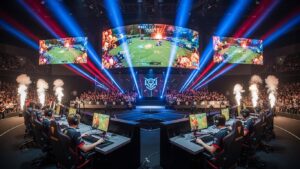
Esports, short for electronic sports, has evolved from a niche pastime into a global entertainment powerhouse. What was once considered a subculture within the gaming community is now a billion-dollar industry drawing millions of players and spectators from every corner of the globe. Competitive gaming has transcended boundaries, cultures, and age groups, creating a digital ecosystem where skill, strategy, and teamwork define success. From small LAN tournaments in the early 2000s to massive international championships filling entire stadiums, esports has grown into a mainstream cultural phenomenon.
The rise of esports is not just a story about gaming—it’s about community, technology, and the future of digital interaction. As players battle in virtual worlds, the lines between traditional sports and digital competition continue to blur. The story of esports is a reflection of how modern technology has reshaped human entertainment, engagement, and ambition.
The Early Foundations of Competitive Gaming
The origins of esports can be traced back to the early days of video gaming in the 1970s and 1980s. The first recorded video game competition took place at Stanford University in 1972, where students played “Spacewar!” for a year’s subscription to Rolling Stone magazine. While that event was modest compared to today’s multimillion-dollar tournaments, it laid the foundation for what was to come.
In the 1980s, arcade gaming fueled the first generation of competitive gamers. Titles like Pac-Man, Donkey Kong, and Space Invaders introduced leaderboards, allowing players to compete for high scores and recognition. The 1990s marked a new era with the advent of home consoles and PC gaming. The release of Doom, Quake, and StarCraft created new opportunities for multiplayer competition. LAN parties—where gamers connected computers in the same room—became the breeding ground for early esports communities.
The true transformation began when the internet became widely accessible. Online gaming enabled global competition, and suddenly, gamers from different continents could face each other without leaving their homes.
The Rise of Professional Esports
By the early 2000s, esports began to take a professional shape. South Korea emerged as the epicenter of competitive gaming culture. The government and major corporations invested heavily in esports infrastructure, and StarCraft: Brood War became a national obsession. Professional players were treated like celebrities, complete with sponsorships, televised matches, and dedicated fanbases.
At the same time, Western countries started building their own esports scenes. Games like Counter-Strike 1.6, Warcraft III, and Halo gained competitive traction. The launch of streaming platforms and video-sharing websites further propelled the scene forward. Suddenly, anyone could watch professional matches online, and aspiring players had access to tutorials, strategies, and highlights at their fingertips.
The growth of tournaments like the Electronic Sports World Cup and Major League Gaming provided global platforms for players to prove their worth. What had once been a hobby was now becoming a career.
The Esports Explosion: A Global Phenomenon
The 2010s witnessed an unprecedented surge in esports popularity. Titles like League of Legends, Dota 2, and Counter-Strike: Global Offensive redefined competitive gaming. These games introduced structured leagues, team organizations, and huge prize pools.
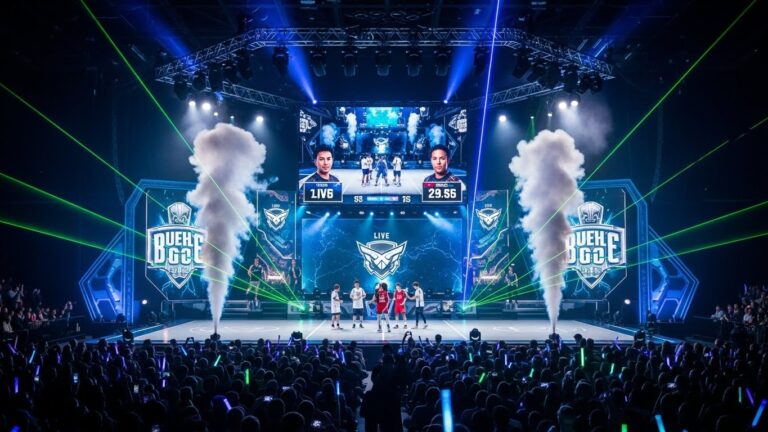
The League of Legends World Championship, for instance, drew millions of viewers each year, rivaling traditional sporting events. Similarly, The International, the flagship Dota 2 tournament, set records with its community-funded prize pool surpassing tens of millions of dollars. These events were not just competitions; they were grand spectacles complete with elaborate stage setups, live music, and cinematic storytelling.
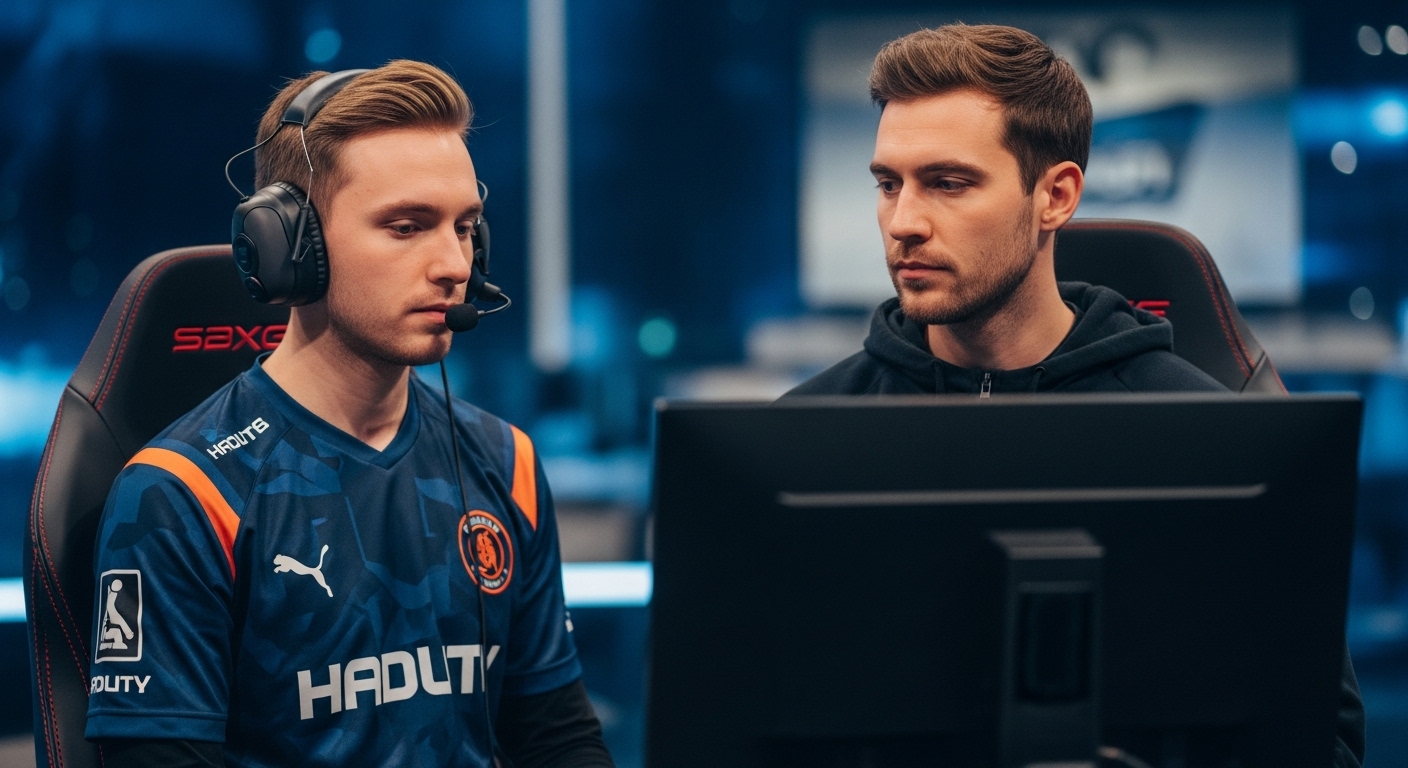
Esports teams like T1, Fnatic, Cloud9, and Team Liquid became household names. Players trained full-time, followed strict regimens, and received coaching and sports psychology support. The term “professional gamer” no longer carried the stigma of laziness—it now symbolized dedication, precision, and mastery.
The Esports Ecosystem and Its Key Components
Esports thrives on a complex and well-structured ecosystem that includes players, teams, organizers, sponsors, developers, and fans. Each plays a vital role in sustaining the digital arena.
1. Game Developers:
Game studios are the architects of the esports world. Their support determines the long-term success of a competitive title. Developers like Riot Games, Valve, and Blizzard actively nurture their competitive scenes by providing balance updates, organizing events, and supporting communities.
2. Teams and Organizations:
Professional teams operate much like traditional sports clubs. They scout talent, offer salaries, and provide training facilities. Major organizations also manage branding, content creation, and merchandising. Some have even established academies to develop young talent.
3. Tournament Organizers:
Companies such as ESL, DreamHack, and Blast Premier host global tournaments that attract international participation. These events bring together sponsors, fans, and media coverage, helping esports grow in visibility and credibility.
4. Broadcasting and Streaming:
Streaming platforms have revolutionized the way esports is consumed. Fans no longer rely on television broadcasts; they can watch matches live on platforms like Twitch or YouTube, interacting with players and other fans in real time. This level of engagement makes esports one of the most community-driven entertainment industries.
5. Sponsors and Advertisers:
Esports’ young, tech-savvy audience has attracted brands from every sector. From hardware companies to energy drink brands, sponsors see esports as a valuable marketing avenue. Their investments help sustain player salaries, tournament funding, and production quality.
The Psychological and Strategic Dimensions of Esports
While physical fitness plays a minor role, the mental and strategic aspects of esports are profound. Professional gamers operate under intense pressure, often making split-second decisions that can determine the outcome of a match. Reaction times, memory retention, and hand-eye coordination are honed to near-superhuman levels.
Teams also rely heavily on strategy. In games like Dota 2 or League of Legends, players must coordinate movements, manage resources, and anticipate opponents’ tactics. Communication, leadership, and adaptability become as vital as raw skill.
Psychological endurance is equally important. Esports athletes deal with long practice hours, public scrutiny, and the emotional rollercoaster of victory and defeat. Many teams now employ sports psychologists to help players manage stress and maintain focus.
Esports and Education: A New Frontier
Educational institutions are beginning to recognize esports as more than just recreation. Many universities now offer esports scholarships and degree programs in game design, marketing, and digital media. High schools host competitive teams, encouraging students to combine academics with gaming passion.
This shift represents a larger cultural acceptance of gaming as a legitimate pursuit. Beyond competition, esports education fosters skills in teamwork, leadership, critical thinking, and digital literacy—all crucial in modern careers.
Economic and Cultural Impact of Esports
The esports industry has become a significant contributor to the global economy. Revenues come from sponsorships, ticket sales, merchandise, advertising, and media rights. By 2025, global esports revenues are expected to exceed billions of dollars annually.
Esports has also created thousands of jobs beyond playing. There are roles in event management, production, marketing, journalism, analytics, and game development. It has become a self-sustaining ecosystem with room for diverse talents.
Culturally, esports has bridged gaps between generations and geographies. It has given rise to a shared language of competition and creativity. Whether it’s fans cheering for their favorite teams or players representing their countries, esports has created a global community united by passion.
Gender and Diversity in Esports
For a long time, esports was perceived as a male-dominated domain. However, the tide is turning. Female gamers and streamers are claiming their place in the spotlight, inspiring others to join the scene. Organizations and developers are increasingly advocating for inclusivity, creating safe spaces and equal opportunities.
Diversity is not only a social priority but also an asset to the industry’s creativity and innovation. The inclusion of players from different backgrounds brings varied playstyles, ideas, and narratives to the competitive world.
The Role of Technology in Shaping Esports
Technology is the backbone of esports. From high-speed internet to powerful gaming hardware, each advancement has elevated the experience for players and viewers alike. Virtual reality (VR) and augmented reality (AR) promise to make future esports events even more immersive.
Artificial intelligence and data analytics are also transforming how teams prepare. Coaches now use advanced software to analyze player performance, predict outcomes, and refine strategies. Cloud gaming may further democratize esports by allowing players with modest hardware to compete at professional levels.
Esports and Traditional Sports: A Converging Path
The relationship between esports and traditional sports has evolved from skepticism to collaboration. Major sports franchises now own esports teams, and athletes from football, basketball, and racing have ventured into the digital arena.
Both worlds share similarities—discipline, teamwork, fan engagement, and competitive spirit. The difference lies in the medium, not the mindset. Some analysts even argue that esports could become an Olympic event in the future, marking a full recognition of its legitimacy.
The Spectator Experience and Global Fandom
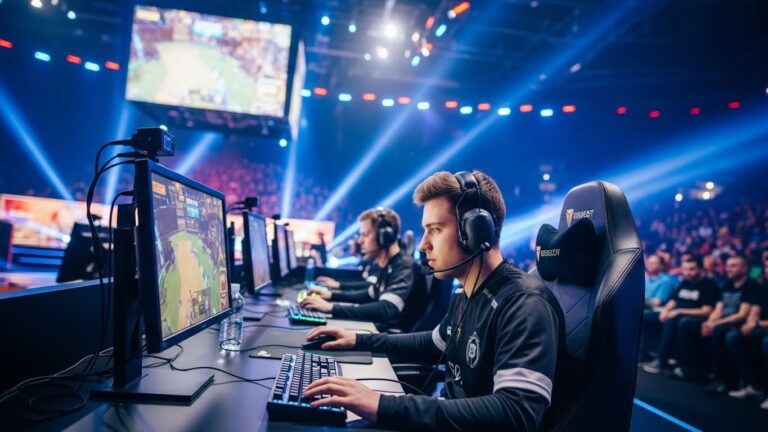
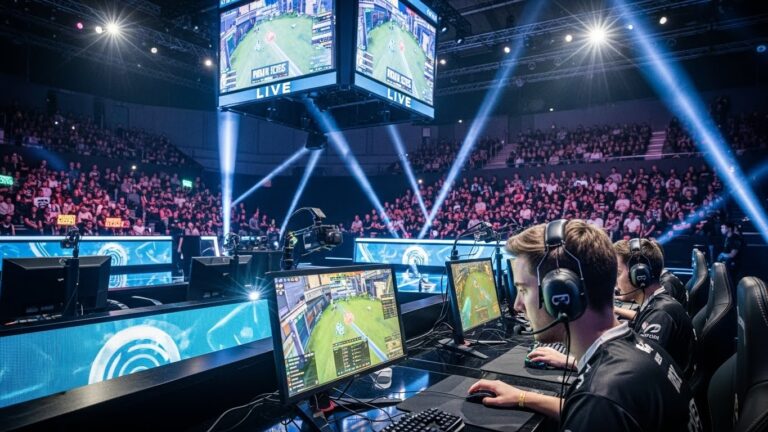
The thrill of watching esports lies in its dynamic blend of entertainment and intellect. Spectators engage not only with the gameplay but also with the personalities of players and commentators. Events often feature live audiences, cosplay, and musical performances, making them grand cultural celebrations.
The accessibility of digital streaming has allowed fans worldwide to participate in real time. Communities form around favorite teams, games, and players, fostering a sense of belonging. Social media amplifies this connection, enabling fans to interact directly with their idols.
The Future of Esports: Challenges and Opportunities
Despite its immense success, esports faces challenges that will shape its next evolution. Issues such as player burnout, cheating, inconsistent regulation, and revenue distribution continue to raise concerns. Maintaining competitive integrity is essential to preserving credibility.
However, the opportunities are vast. The integration of artificial intelligence, virtual reality, and blockchain technology could revolutionize the industry. Global accessibility will continue to improve, and the boundary between playing and spectating may blur further.
Esports also has the potential to become a leading force in education, youth engagement, and digital innovation. As gaming continues to influence music, fashion, and entertainment, esports will remain at the cultural frontier.
Conclusion: The Spirit of Digital Competition
Esports is more than a trend—it is a testament to human creativity and adaptation in the digital age. It embodies the evolution of play, competition, and community. Behind every champion, every thrilling match, and every roaring crowd lies a story of dedication and passion.
As we move forward, esports will continue to redefine what it means to be an athlete, a fan, and a participant in a global culture driven by technology. The digital arena will keep expanding, creating new legends and unforgettable moments.
In the end, esports is not just about the games we play—it’s about the people who play them, the communities that support them, and the limitless possibilities that lie within the virtual worlds we create together.