


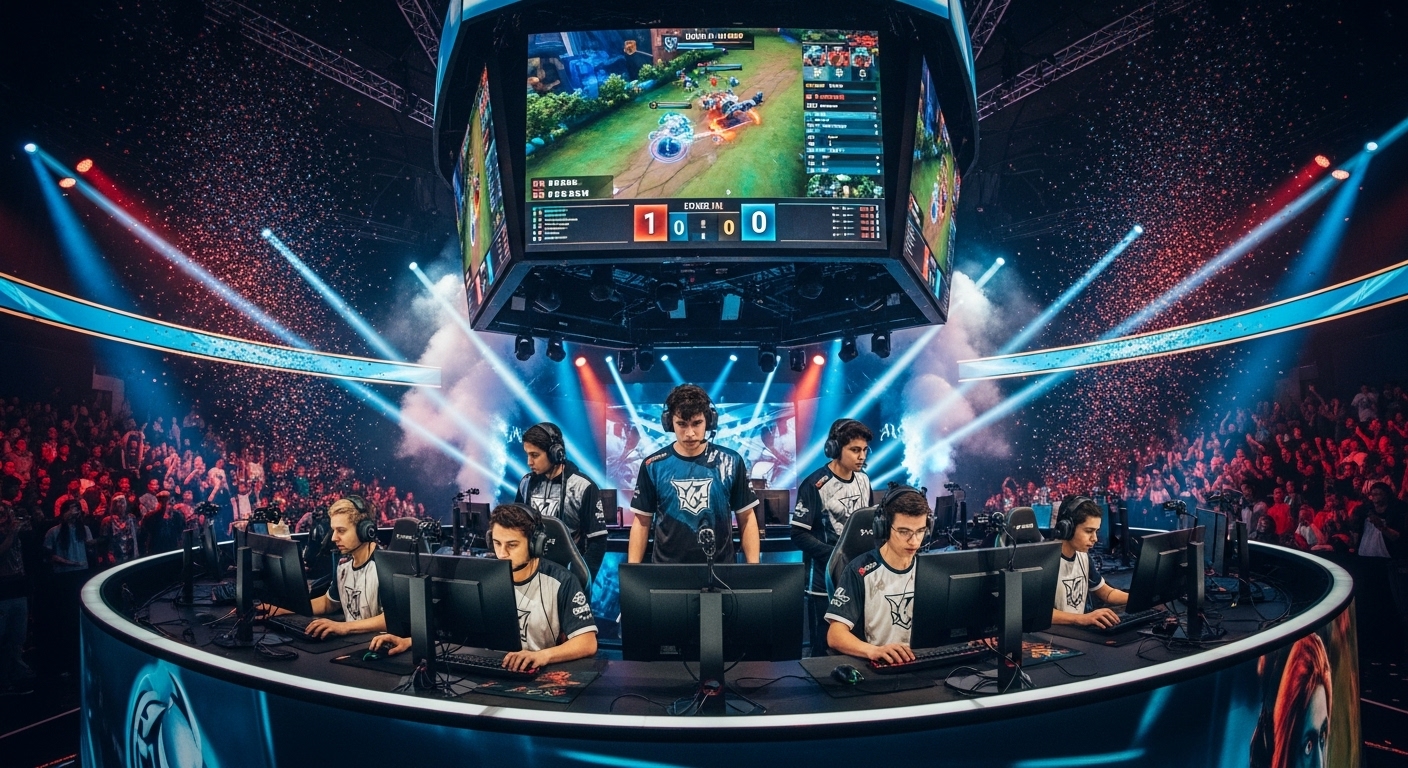
Esports, or competitive gaming, has evolved from a niche hobby into a global phenomenon. What began as casual competitions among friends has transformed into an industry that rivals traditional sports in terms of viewership, sponsorship, and career opportunities. With professional leagues, international tournaments, and millions of fans worldwide, esports is no longer just entertainment—it has become a cultural and economic force. This blog explores the evolution of esports, its influence on society, the professional ecosystem, and the challenges and opportunities the industry faces today.
The Origins of Competitive Gaming
The history of esports can be traced back to the late 1970s and early 1980s, when arcade games and early computer games became popular. Simple competitions for games like Space Invaders and Pac-Man drew small communities of players, often competing for high scores in local arcades.
The 1990s brought significant innovation with the rise of multiplayer games. Titles such as Doom, Quake, and StarCraft allowed players to compete online and develop strategies in real time. The first organized tournaments began to appear, offering cash prizes and establishing the concept of competitive gaming as a viable pursuit. These early competitions laid the foundation for the professional esports ecosystem we see today.
The Evolution of Esports
The 2000s marked a critical period in the growth of esports. The proliferation of personal computers and improved internet connectivity allowed players to compete globally. Multiplayer online games, particularly first-person shooters and strategy games, became central to competitive gaming culture.
With the rise of online communities, players began forming teams and leagues. Tournaments expanded beyond local events, attracting sponsorships from technology and gaming companies. This period also saw the emergence of dedicated esports news coverage and streaming platforms, which amplified visibility and audience engagement.
The Role of Streaming Platforms
One of the most significant factors in esports’ explosive growth has been live streaming. Platforms such as Twitch and YouTube Gaming enabled players to broadcast gameplay to millions of viewers worldwide. Fans could watch live competitions, interact with streamers, and become part of an engaged community.
Streaming created a new form of spectator culture. Unlike traditional sports, esports broadcasts allow fans to follow every in-game action, communicate with other viewers, and even influence gameplay decisions in some interactive formats. Monetization opportunities, including subscriptions, donations, and sponsorships, have turned streaming into a legitimate source of income for players and content creators.
Professional Teams and Players
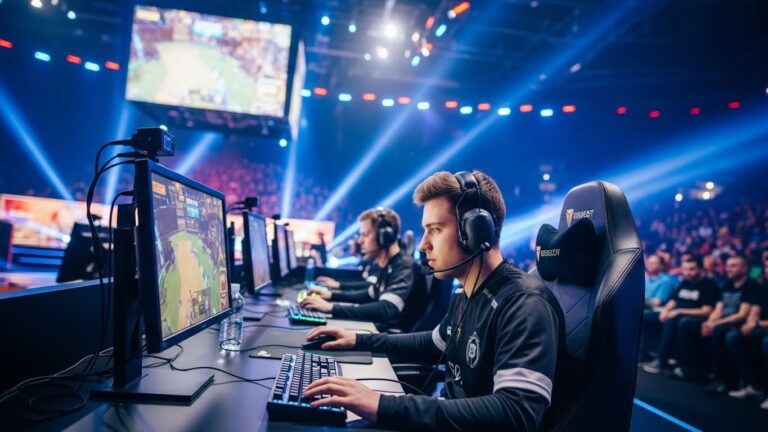
Professional esports teams operate in many ways like traditional sports franchises. They recruit talented players, provide training facilities, and manage sponsorship deals. Teams compete in regional and international leagues, with players specializing in games such as League of Legends, Counter-Strike: Global Offensive, Dota 2, and Valorant.
Top esports players achieve celebrity status, with fan followings that rival athletes in conventional sports. They receive salaries, endorsement deals, and merchandise royalties. Professional players dedicate hours each day to practice, strategize, and maintain peak performance. The skill, teamwork, and mental focus required for success highlight the professionalism of esports.
Major Esports Tournaments
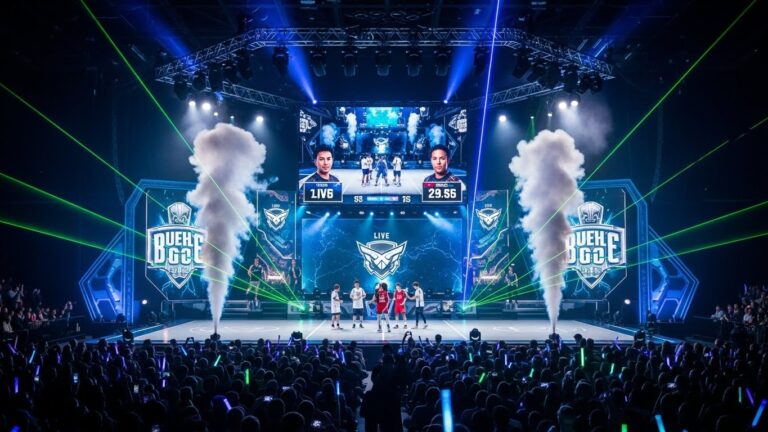
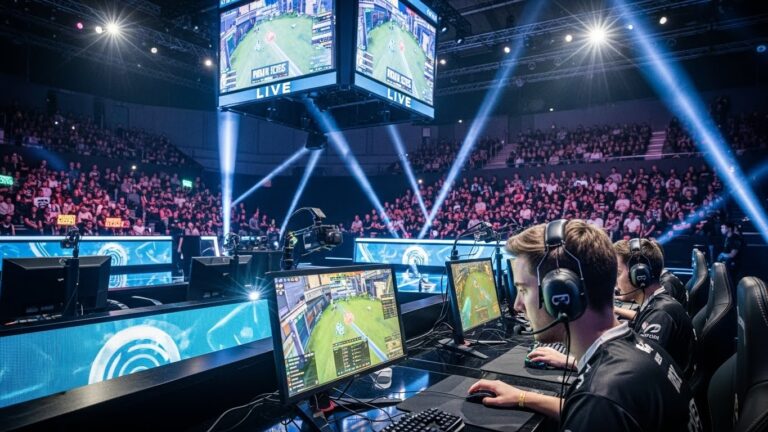
Esports tournaments have become global spectacles. Events such as The International for Dota 2, the League of Legends World Championship, and the Fortnite World Cup attract millions of viewers online and fill large arenas with spectators. Prize pools often reach millions of dollars, reflecting the scale and popularity of competitive gaming.
Tournaments are more than competitions—they are entertainment experiences. Live commentary, professional production, fan interactions, and elaborate stage designs create an immersive environment. These events validate esports as a serious and professional industry, comparable to traditional sports championships.
The Economic Impact of Esports
Esports has grown into a multi-billion-dollar industry. Revenue streams include sponsorships, advertising, merchandise, ticket sales, media rights, and digital content. Leading brands in technology, apparel, and beverages actively invest in esports, recognizing its marketing potential among younger, digitally native audiences.
The industry also creates numerous employment opportunities. Beyond players, there are roles for coaches, analysts, event organizers, commentators, content creators, and technical staff. Universities and academies now offer programs in esports management, professional coaching, and game development, reflecting the sector’s integration into mainstream business and education.
Esports and Youth Culture
Esports has had a profound impact on youth culture. It provides platforms for social interaction, competition, and skill development. Many young people are inspired to pursue gaming professionally or explore careers in technology, content creation, and digital media.
Competitive gaming teaches teamwork, strategic thinking, and decision-making under pressure. Players learn to communicate effectively, adapt quickly, and handle high-stakes situations. These skills often translate to real-world applications in academics, business, and social environments, further emphasizing esports’ influence beyond the screen.
Health and Well-Being in Esports
While esports offers significant benefits, it also presents challenges related to health and well-being. Professional players face intense practice schedules, repetitive strain injuries, eye strain, and mental stress from competition. Long-term performance depends on maintaining both physical and mental health.
To address these challenges, professional teams now employ fitness trainers, nutritionists, and sports psychologists. Healthy routines, regular exercise, and proper nutrition are increasingly seen as essential components of competitive success. Awareness of these issues ensures that esports remains a sustainable career choice for players worldwide.
Technology as the Backbone of Esports
Technology underpins every aspect of esports. High-performance gaming PCs, fast internet connections, and advanced peripherals are essential for competitive play. Graphics engines, streaming software, and online platforms enable global tournaments and real-time interaction with audiences.
Data analytics and artificial intelligence are also shaping esports strategies. Teams analyze gameplay to identify strengths, weaknesses, and optimal tactics. Emerging technologies, including virtual reality and augmented reality, are expanding possibilities for immersive esports experiences, highlighting the close relationship between gaming and technological innovation.
The Global Reach of Esports
Esports has transcended national boundaries, becoming a truly global phenomenon. While countries in Asia, Europe, and North America dominate competitive gaming, emerging regions are rapidly gaining recognition. Nations host international tournaments, develop esports infrastructure, and invest in talent development.
This globalization fosters cultural exchange and international collaboration. Players and fans from diverse backgrounds come together to share their passion for gaming. Esports exemplifies how digital platforms can unite people worldwide, creating communities beyond geographic constraints.
The Future of Esports
The future of esports is filled with exciting possibilities. Virtual reality, cloud gaming, and artificial intelligence are set to transform gameplay and spectator experiences. Audience engagement will increase as immersive technologies allow viewers to feel part of the action.
Esports may also integrate more closely with traditional sports. Collaborative events, media partnerships, and government recognition could further legitimize the industry. As the market expands, scholarships, professional academies, and international leagues will continue to attract talent, ensuring that esports remains a viable and respected career path.
Challenges Facing Esports
Despite its rapid growth, esports faces several challenges. Fair play, cheating, and integrity are ongoing concerns. Maintaining the mental health of players and ensuring sustainable careers are equally important. Accessibility issues in regions with limited technological infrastructure also pose barriers to global participation.
Addressing these challenges requires responsible management and governance. Industry stakeholders must implement rules, safety protocols, and ethical standards to ensure that esports continues to grow as a credible and sustainable sector.
Esports as a Cultural Phenomenon
Esports has become more than just a competitive activity; it is a cultural movement. It influences entertainment, fashion, music, and online communities. Professional players become role models, inspiring creativity and ambition. Fan art, cosplay, and esports media highlight how gaming culture extends into lifestyle and identity.
By embracing esports, society acknowledges the legitimacy of digital competition and entertainment. It demonstrates how technology, culture, and creativity intersect to create new forms of human expression.
Conclusion: The Legacy and Promise of Esports
Esports has transformed from humble beginnings into a multi-billion-dollar global industry. It combines technology, strategy, skill, and entertainment into an ecosystem that continues to grow. Beyond competition, esports fosters community, drives economic opportunities, and shapes youth culture worldwide.
As technology advances and the industry matures, esports will become even more immersive, interactive, and influential. It is no longer just a game—it is a platform for connection, innovation, and human potential. The rise of esports demonstrates that entertainment, skill, and technology can converge to create experiences that are both thrilling and transformative, promising a future where competitive gaming is celebrated and respected on a global scale.