
Introduction
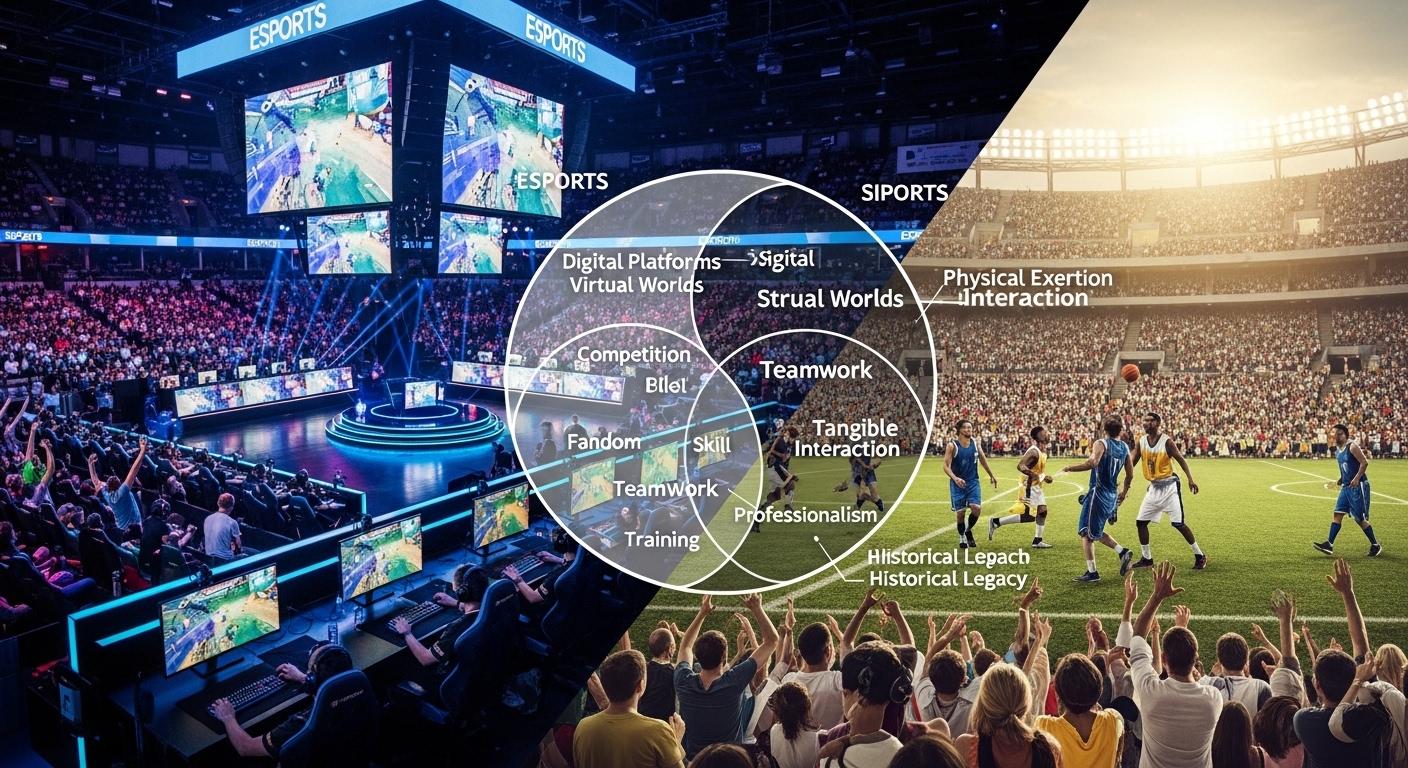
Esports and traditional sports may look like opposites at first glance—one is digital, the other physical. Yet, as esports grows into a multibillion-dollar industry with global audiences, it increasingly mirrors traditional sports in structure, culture, and influence. The debates rage on: Should esports be considered “real” sports? What makes them different? And how do they overlap?
In this blog, we’ll break down the similarities and differences between esports and traditional sports, explore their cultural impact, and look ahead to how they might coexist in the future.
The Core Similarities
1. Competition
At their core, both esports and traditional sports are about competition. Players or teams face off with the goal of victory. The thrill of competition, whether on a football pitch or in a League of Legends arena, is what attracts fans worldwide.
2. Teamwork and Strategy
Traditional sports require coordination, communication, and strategic planning. Esports is no different—teams analyze opponents, create strategies, and rely on precise communication to succeed. Coaches and analysts play critical roles in both.
3. Fans and Community
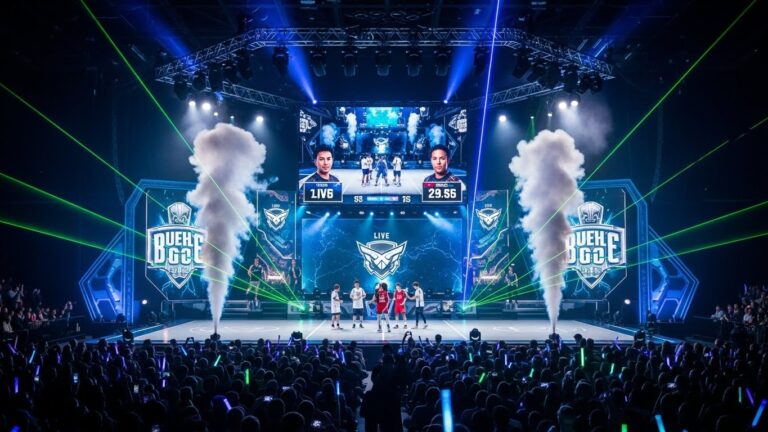
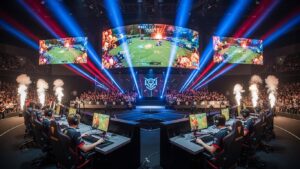
Fans are the lifeblood of sports, and esports fans are no less passionate. Esports audiences cheer, wave banners, and wear jerseys of their favorite teams just like football or basketball fans.
4. Professionalism
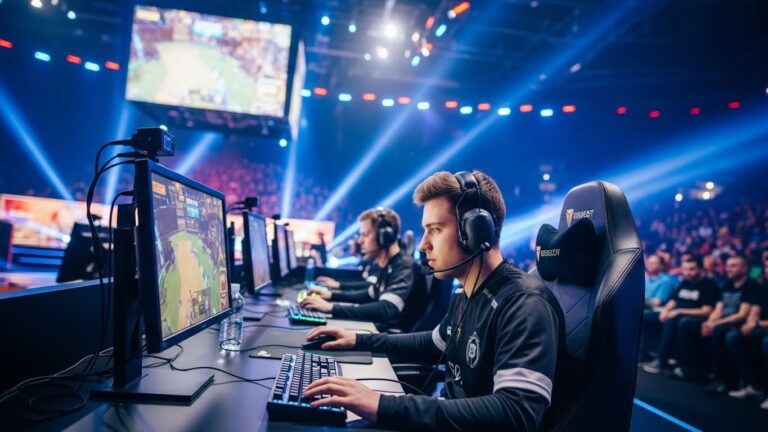
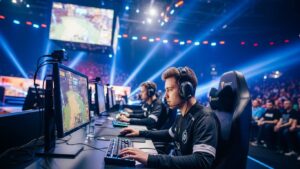
Esports has adopted professional structures like contracts, player salaries, training facilities, and sponsorships. Just like sports, players dedicate years to training and discipline.
The Key Differences
1. Physical vs Digital
The most obvious difference is the physical element. Traditional sports demand physical strength, speed, and endurance. Esports relies more on mental agility, reflexes, and precision.
2. Accessibility
Becoming a professional footballer often requires years of training, resources, and physical ability. Esports, however, offers lower barriers to entry—anyone with a computer or console can start competing.
3. Global Reach
Esports is not limited by geography. While traditional sports often have regional or national dominance, esports games like Dota 2 or Valorant connect players worldwide instantly.
4. Longevity of Players
Professional athletes in sports like football can have careers spanning decades. In esports, careers are often shorter, with many pros retiring in their early 20s due to burnout or reflex decline.
Cultural Impact
Traditional Sports
Sports like football, cricket, and basketball have deep historical roots. They are tied to national identity, tradition, and culture. Entire generations grow up idolizing athletes and celebrating sports as part of daily life.
Esports
Esports represents the digital generation. It is tied to technology, streaming, and online communities. It creates opportunities for global connection that transcend physical borders.
Financial Comparison
Traditional sports dominate in revenue, with industries like football and basketball generating hundreds of billions annually. Esports, though smaller, is growing rapidly. Sponsorships, media rights, and streaming platforms are fueling growth, with esports already crossing the billion-dollar mark annually.
Future of Integration
We’re already seeing crossover:
- Football clubs like PSG and Manchester City have esports teams.
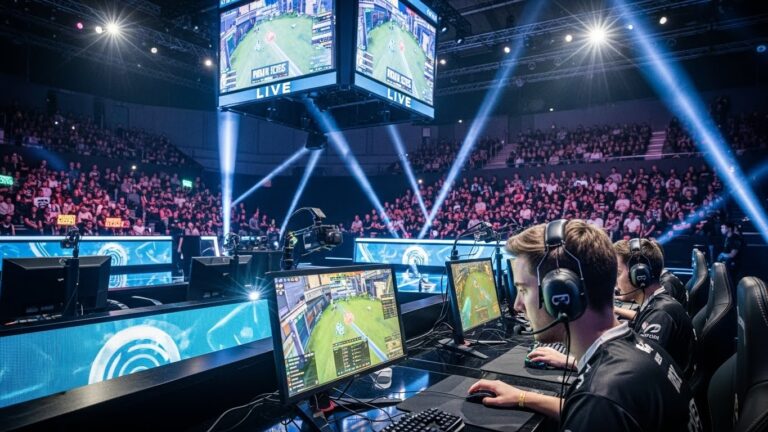
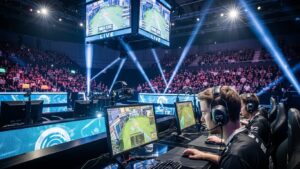
- Esports tournaments are hosted in iconic sports stadiums.
- Athletes like Shaquille O’Neal and David Beckham invest in esports.
The line between esports and traditional sports will continue to blur as both industries learn from each other.
Conclusion
Esports and traditional sports are not rivals—they are parallel industries that share competition, fans, and cultural significance. While their differences are clear, their similarities show why esports deserves recognition as a legitimate form of sport. The future will likely see them coexist, collaborate, and grow side by side.