



Introduction: The Emergence of Esports
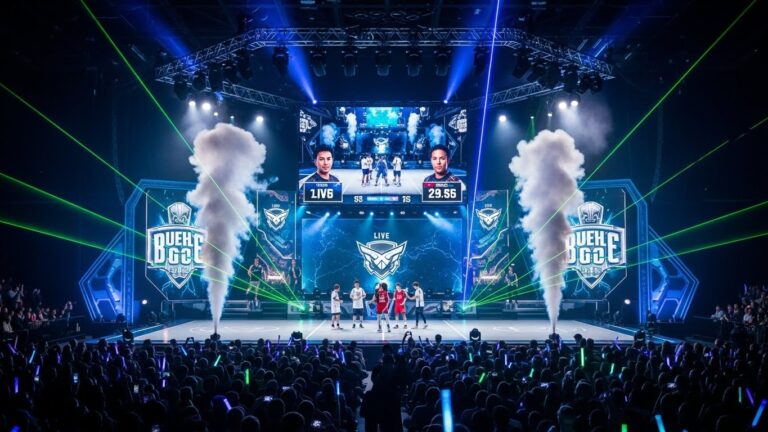
In recent years, esports has emerged as a cultural and economic powerhouse, captivating millions of viewers worldwide. Once considered a niche hobby, competitive gaming has now evolved into a global industry with a massive following, professional leagues, and lucrative sponsorships. Esports, short for electronic sports, refers to organized multiplayer video game competitions, particularly between professional players, individually or as teams.
Unlike traditional sports that rely on physical prowess, esports emphasizes mental agility, strategy, reflexes, and teamwork, offering a unique and compelling form of competition. With advancements in technology, esports has expanded its reach, attracting a diverse fan base, from teenagers to adults, from casual gamers to hard-core enthusiasts. It’s no longer just about playing games; it’s about being part of a global spectacle. In this blog, we’ll explore how esports is reshaping the landscape of entertainment, the professionalization of competitive gaming, and the future of the industry.
The Growth of Competitive Gaming
Esports didn’t appear overnight. Its roots go back to the early 1990s when competitive gaming first started gaining traction. Early tournaments such as the Red Annihilation tournament in 1997, which involved the game Quake, are often credited with the birth of competitive esports. However, it wasn’t until the early 2000s that gaming competitions began to grow into more organized and widespread events. The growth of broadband internet and gaming consoles, paired with the rise of streaming platforms like Twitch, took esports from local LAN parties to global stages.
As the internet became faster and more accessible, the possibility of playing video games with people around the world opened new doors for competitive gaming. Titles like League of Legends, Dota 2, Counter-Strike, and Overwatch rapidly became esports staples, each cultivating millions of viewers and players. What followed was the birth of large-scale tournaments such as The International for Dota 2, and League of Legends World Championship, which not only attracted attention from gaming communities but also mainstream media outlets, marking the moment when esports truly began its rise into the global spotlight.
Professionalization of Esports: Athletes, Teams, and Leagues
The professionalization of esports is one of its most significant developments. In the early days, gamers were often regarded as amateurs or enthusiasts playing for fun. Today, however, many professional esports players are full-time athletes, with highly structured training regimens, coaches, analysts, and performance experts guiding their careers.
Esports organizations now operate like traditional sports teams. They sign players to contracts, provide training facilities, offer sponsorship deals, and develop strategies for major tournaments. Teams like Team Liquid, Fnatic, and Cloud9 have become household names in esports, while individual players such as Faker (Lee Sang-hyeok) and s1mple (Oleksandr Kostyliev) have achieved rock-star status within the gaming community.
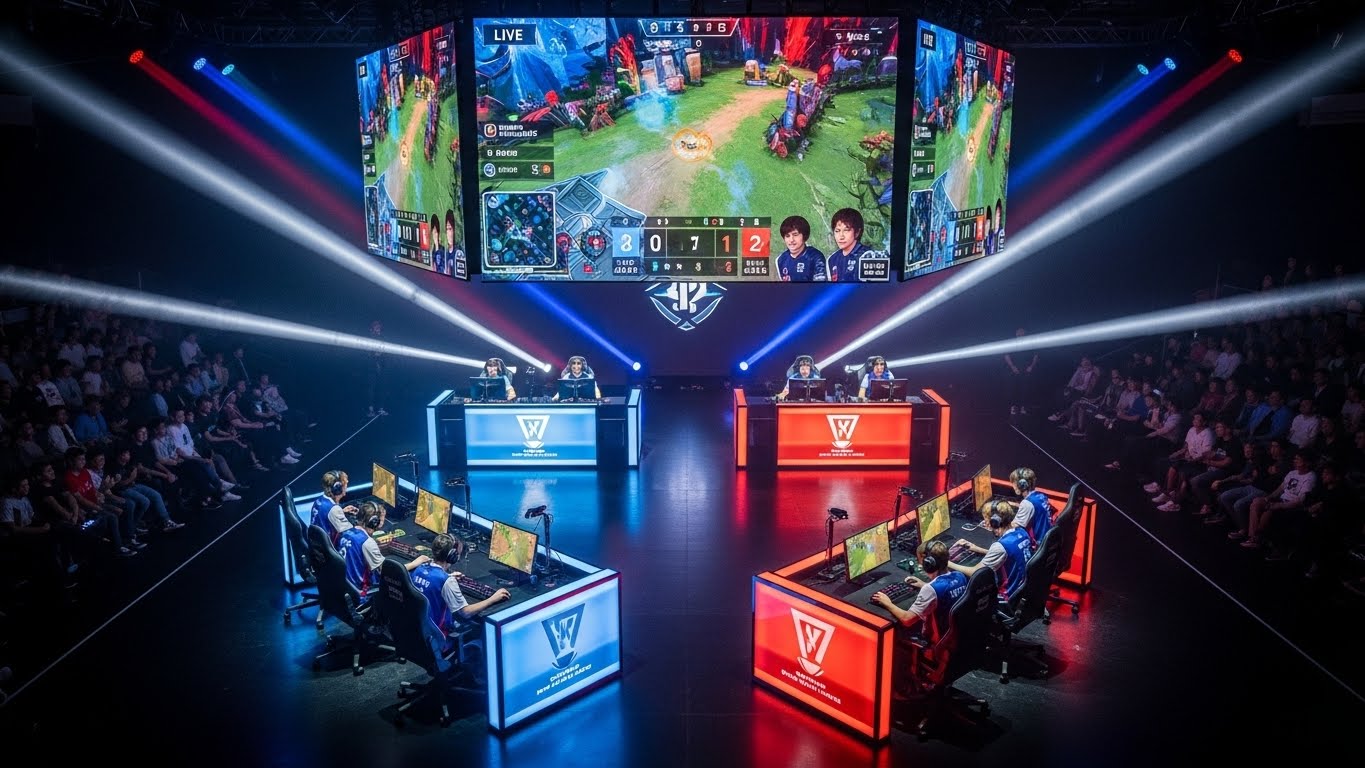
Esports has also led to the formation of large, globally recognized leagues and tournaments that have attracted not just players, but millions of fans worldwide. The League of Legends World Championship, held annually, draws millions of viewers across the globe, making it one of the most-watched sporting events in the world. Similarly, The International for Dota 2 has prize pools that exceed $30 million, drawing attention from all corners of the entertainment and business world. These events have transformed esports into a multi-billion-dollar industry with sponsorships from global brands like Coca-Cola, Intel, and Mercedes-Benz, further legitimizing it as a mainstream form of entertainment.
Esports as a Business: Revenue and Sponsorship
Esports is no longer just about the games being played; it’s a full-fledged business ecosystem that generates billions of dollars annually. The revenue streams in esports are diverse, ranging from broadcasting rights, sponsorships, and ticket sales to merchandise and streaming platforms. The value of sponsorships alone in the esports industry has skyrocketed, with top teams securing multi-million-dollar deals with corporate giants.
Brands are increasingly seeing esports as an avenue to engage with younger, tech-savvy audiences. Instead of traditional advertising methods, companies now focus on partnerships with esports organizations and influencers who can directly interact with their target demographics. The rise of esports betting is another lucrative avenue for the industry, with millions of fans engaging in wagers on professional matches, adding another layer of excitement and financial revenue.
Furthermore, esports has sparked the growth of dedicated media outlets, online platforms, and streaming services. Platforms like Twitch and YouTube have become the go-to destinations for esports content, with streamers and pro players amassing millions of followers. These platforms offer not only live game streaming but also in-depth coverage of tournaments, player interviews, and behind-the-scenes content, allowing fans to engage with their favorite teams and players in new ways.
The Role of Technology in Esports
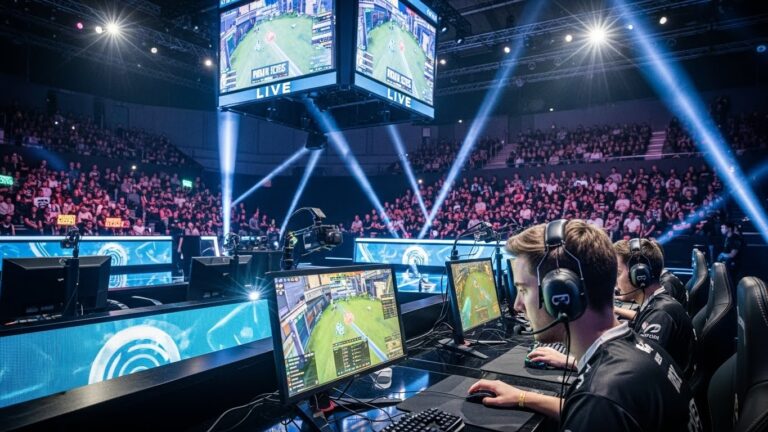
Technology is at the core of every aspect of esports. From the gaming hardware to the software and streaming services, technology has shaped the way esports is played, viewed, and consumed. Advances in graphics cards, processors, and gaming peripherals like high-speed monitors, professional-grade controllers, and noise-canceling headsets give players the tools they need to maximize their performance.
The importance of high-performance computing is especially evident in games like Counter-Strike: Global Offensive and Overwatch, where reaction times can be measured in milliseconds. Even the slightest lag or stutter can lead to a loss in a competitive environment. Esports organizations often invest in top-tier gaming rigs and state-of-the-art training equipment to ensure their players remain competitive at the highest levels.
On the viewer side, technology has transformed how audiences consume esports content. Online streaming platforms have revolutionized the viewing experience, allowing fans to watch live tournaments from anywhere in the world. The advent of virtual reality (VR) and augmented reality (AR) is also slowly making its way into the esports world, with some tournaments already experimenting with immersive viewing experiences. These technologies are enhancing fan engagement by offering virtual arenas and interactive gameplay features that make the viewing experience more dynamic and engaging.
The Social Impact of Esports
Esports is not just about competition; it has a profound social impact on global culture. It has created a sense of community among players and fans alike. Social media platforms such as Twitter, Instagram, and Discord have become virtual meeting places where fans can discuss matches, share content, and interact with their favorite players. Esports has provided a space for people from diverse backgrounds to connect, build friendships, and even develop a sense of belonging.
The rise of esports has also sparked significant changes in how traditional sports are perceived. For younger generations, esports represents a legitimate form of entertainment and competition, rivaling traditional sports like football or basketball. It has challenged old perceptions of physical activity, showing that competitive gaming can be just as intense and skillful as any physical sport. Moreover, esports provides opportunities for individuals who may not have the physical abilities required for traditional sports but excel in strategic thinking, reflexes, and coordination.
In addition, esports has proven to be an inclusive space, offering opportunities for women and marginalized communities. While there is still work to be done to ensure full inclusivity and eliminate toxicity, many esports organizations are taking significant steps to encourage diversity and create safe spaces for all participants.
Esports in Education and Careers
One of the most promising aspects of the esports boom is the way it is shaping education and career pathways. Many colleges and universities are now offering scholarships for esports players, and some have even established formal esports programs and teams. This has given rise to esports as a legitimate academic pursuit, with students receiving recognition and financial support for their skills in the digital arena.
Furthermore, esports has opened up new career opportunities outside of competitive play. Many individuals are finding success in roles such as game analysts, streamers, event organizers, content creators, and esports journalists. The demand for professionals in esports management, broadcasting, and digital marketing is increasing, making esports a viable career choice for those interested in the industry but not necessarily in gaming professionally.
The Future of Esports
The future of esports looks incredibly bright. With new games and technologies emerging regularly, esports will continue to grow in scope and influence. Virtual reality and augmented reality have the potential to revolutionize how esports is played and experienced by both players and fans. Similarly, as 5G networks become more widespread, latency issues that currently plague online gaming could become a thing of the past, leading to even more intense and seamless gaming experiences.
As the esports industry matures, it will also continue to diversify. New genres and formats will emerge, attracting even more players and fans. The continued integration of esports into mainstream media, from traditional sports networks to streaming giants like Netflix, will further elevate the status of esports as a global entertainment phenomenon.
Conclusion: Esports as the New Era of Entertainment
Esports has undeniably become a cultural and entertainment force to be reckoned with. What began as a small subculture has exploded into a global industry with millions of passionate fans, top-tier players, and massive financial backing. Esports offers a unique combination of strategy, skill, and excitement that is unlike any other form of entertainment. As the industry grows, it will continue to shape the future of competitive gaming, sports, and entertainment, providing new career opportunities and changing the way we view digital competition.
Esports is more than just a trend; it represents a new era in how we engage with entertainment, sports, and technology. As the industry continues to evolve, it will undoubtedly shape the cultural landscape for generations to come. Whether you’re a gamer or a spectator, esports is here to stay.