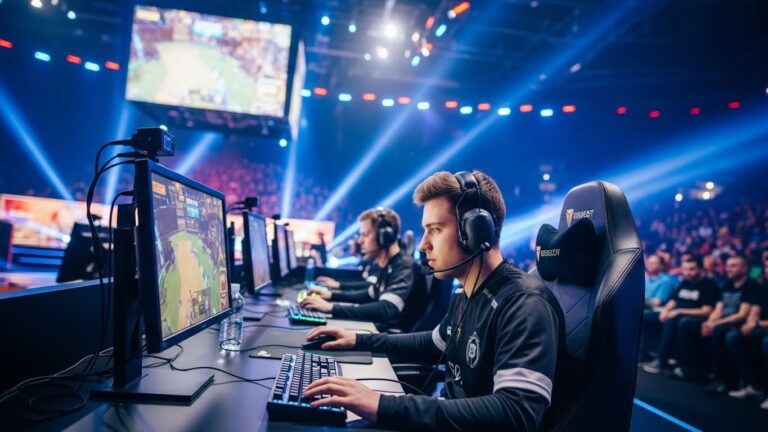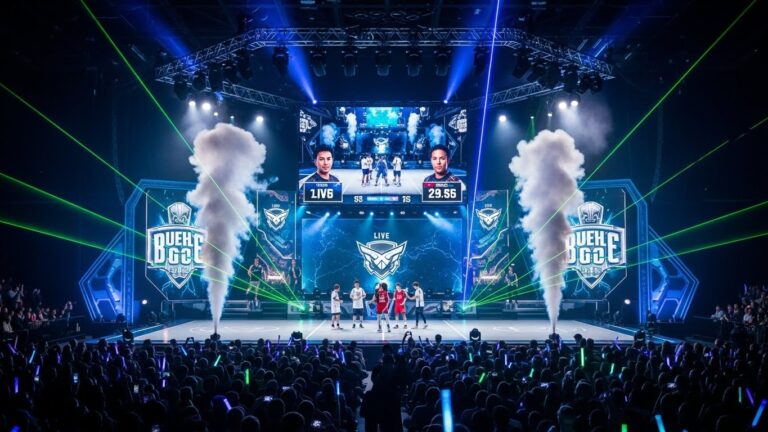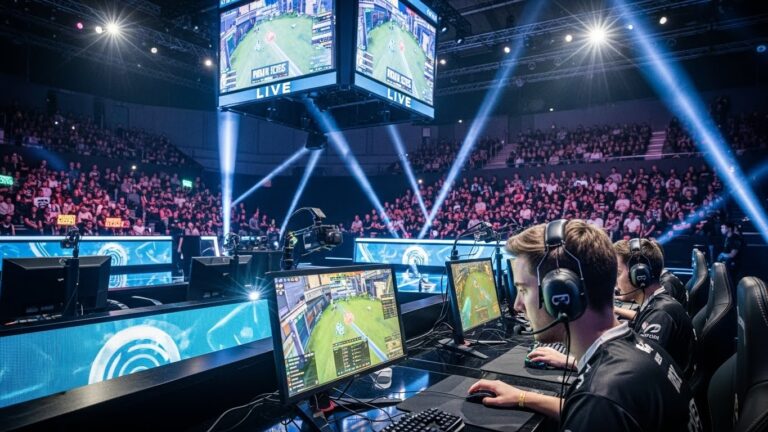



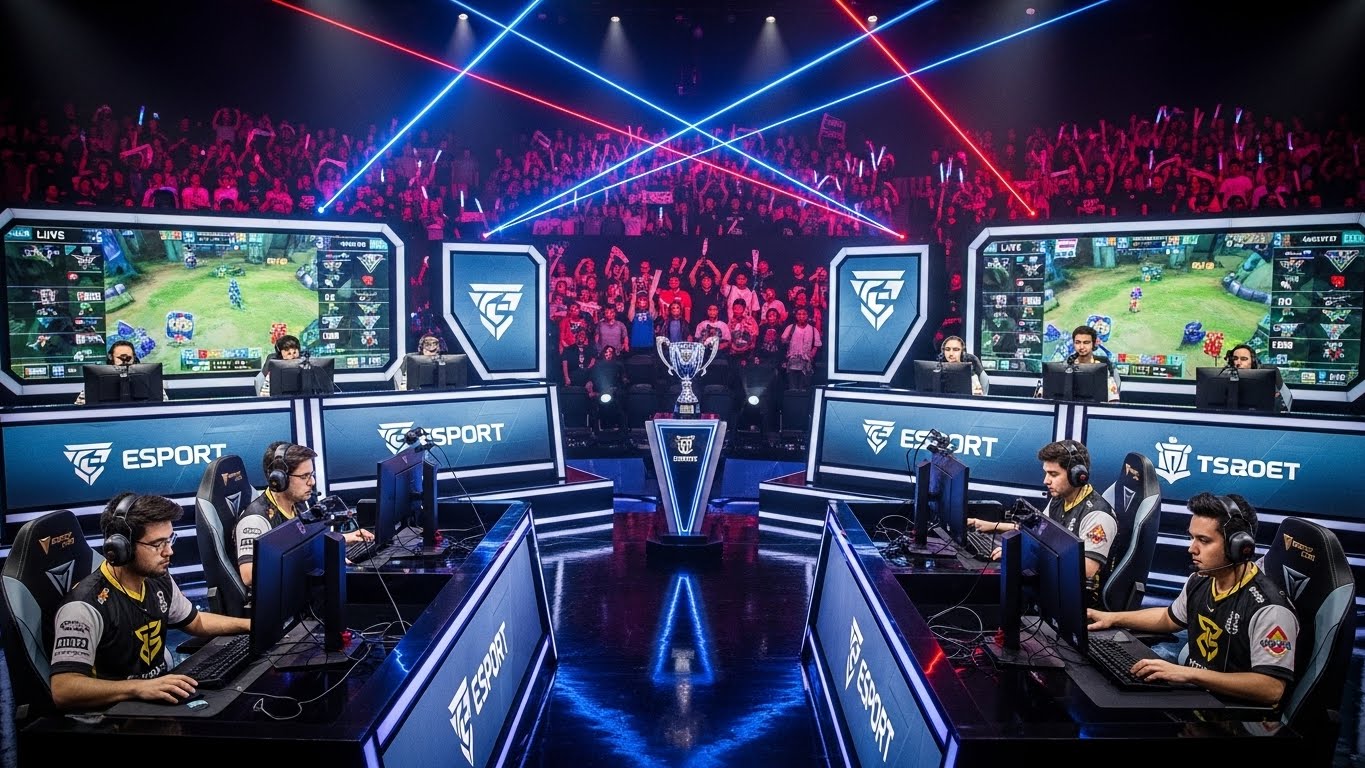
The gaming world has evolved far beyond the days of playing for fun or casual enjoyment. Today, esports has become a global phenomenon, attracting millions of viewers, professional players, and multi-billion-dollar sponsorships. Competitive gaming has shifted from niche interest to mainstream entertainment, drawing comparisons to traditional sports in terms of revenue, audience engagement, and professional structure.
In this blog post, we will explore the rise of esports, its significance in modern entertainment, and the factors that have propelled it to become a major force in global culture.
The Emergence of Esports: From Hobbyists to Professionals
The history of esports can be traced back to the early days of video games. In the 1970s and 1980s, games were primarily for individual enjoyment. However, as gaming systems became more advanced and multiplayer games started to take shape, the concept of competitive gaming emerged.
The first significant step towards esports came in 1997, with the Red Annihilation tournament, which is considered one of the earliest large-scale esports events. It was a Quake competition that attracted gamers from across the world. Over the next few years, esports grew slowly but steadily, driven by a growing interest in games like StarCraft, Warcraft III, and Counter-Strike. These early tournaments were often small in scale but laid the foundation for the more professional leagues and events that would come later.
By the early 2000s, competitions like the World Cyber Games (WCG) and Electronic Sports World Cup (ESWC) had emerged, helping to give structure to competitive gaming. These tournaments offered prize money and were often broadcast on TV networks, introducing gaming as an organized sport.
The Role of Streaming in Esports Growth
A major turning point in the rise of esports came with the advent of online streaming platforms. While competitive gaming events existed before, it was streaming that transformed esports into a global spectator sport. The launch of Twitch in 2011, a platform dedicated to gaming content, allowed players to broadcast their matches live, while viewers could interact with the streamers and each other in real-time.
Twitch became a critical factor in the democratization of esports. No longer did fans need to attend physical tournaments to watch their favorite players or teams; now, everything was available at the click of a button. This shift made esports more accessible, not just for players, but for viewers worldwide. Major tournaments like The International (Dota 2) and League of Legends World Championship grew in popularity due to their online broadcasts, with millions tuning in to watch these high-stakes competitions.
Streaming also facilitated the growth of esports personalities and influencers. Popular gamers who streamed on platforms like Twitch gained huge followings and even became mainstream celebrities. Players such as Ninja and Shroud transcended the gaming world, collaborating with musicians and even mainstream celebrities, bringing esports to an entirely new audience.
Professionalization of Esports: The Rise of Teams and Leagues
As the popularity of esports surged, so did the demand for more professionalization. Early competitions were mostly ad-hoc affairs, but as prize pools and viewership grew, the need for a more organized structure became clear. Esports organizations started to form full-time teams with coaches, managers, analysts, and sponsors.
Leagues such as the League of Legends Championship Series (LCS) and Overwatch League (OWL) were launched to provide year-round competitions. These leagues adopted structures similar to traditional sports leagues, with regular seasons, playoffs, and championship events. The introduction of franchises allowed teams to secure long-term stability, which helped foster a professional atmosphere within the industry.
The professionalization of esports also extended to player salaries. As teams began to invest more money in their rosters, esports players started to make salaries comparable to those of professional athletes. Sponsorships and media deals also became increasingly lucrative, with brands like Coca-Cola, Intel, and Red Bull signing partnerships with top teams and events. This influx of money further legitimized esports as a serious professional career.
Esports as Global Entertainment
Esports has become truly global, with significant followings on every continent. Major tournaments attract not only players from around the world but also viewers who tune in from different cultures and backgrounds. Events like The International and the League of Legends World Championship consistently draw millions of viewers, with some events reaching the same level of viewership as traditional sporting events like the Super Bowl or the FIFA World Cup.
One of the reasons esports has become so universal is its accessibility. Unlike traditional sports, which often require expensive equipment or facilities, all a player needs for esports is a gaming system, a stable internet connection, and the desire to compete. This low barrier to entry has allowed players from all corners of the world to participate, whether they’re in the United States, Europe, Asia, or Latin America. In fact, esports tournaments are now regularly held in places like China, South Korea, and Brazil, all of which have become major esports hubs.
In addition to regional tournaments, esports also boasts a highly globalized fan base. Games like Dota 2 and League of Legends have regional leagues, but the international tournaments are what draw the most attention. These events allow teams from different countries to compete against one another, creating a sense of global camaraderie and competition. For instance, The International has become an iconic event in esports, with teams from Europe, North America, China, and Southeast Asia battling it out for multi-million-dollar prize pools.
Esports and the Changing Perception of Gaming Culture
Esports has also played a critical role in changing how gaming is perceived in society. While gaming used to be seen as a solitary, niche activity, the rise of esports has helped bring gaming into the mainstream as an accepted form of entertainment. Players, coaches, and even streamers have emerged as celebrities in their own right, gaining recognition for their skills, charisma, and contributions to the gaming community.
In the past, gamers were often stereotyped as introverts or “nerds.” But now, they are recognized for their competitive spirit, teamwork, and dedication. Just like athletes in traditional sports, esports professionals train for hours each day to hone their skills. Many of these players have transcended the gaming world, appearing in advertisements, making guest appearances on talk shows, and even signing lucrative endorsement deals. The success of gamers like Ninja (Tyler Blevins) shows that being an esports professional can open doors to mainstream recognition.
Furthermore, esports has helped redefine the concept of sports in general. While traditional sports involve physical prowess, esports focuses on mental agility, strategic thinking, and quick reflexes. This has led to a growing recognition that competitive gaming requires an immense amount of skill, discipline, and training. As a result, esports is increasingly being accepted as a legitimate form of sport.
The Role of Sponsors, Media, and Commercial Partnerships
Sponsorship and media rights have been a major driving force behind the explosion of esports. Major brands have seen the value of associating with esports, as it provides access to a young, tech-savvy audience that is highly engaged with the content. Companies like Coca-Cola, Intel, and Nike have invested heavily in esports, signing sponsorship deals with top players, teams, and tournaments.
Television networks and digital platforms are also beginning to recognize the value of esports. In addition to streaming platforms like Twitch, mainstream broadcasters such as ESPN and Turner Sports have aired esports events, giving them even more credibility. These partnerships have brought competitive gaming into the living rooms of people who might not have considered watching esports otherwise.
As esports continues to grow, it is expected that even more industries will become involved. From betting and gaming technology to apparel and health services, esports is opening up new business opportunities and creating jobs in a variety of sectors. The commercialization of esports is far from over, and it’s likely that we will see even more big-name brands joining the ecosystem in the coming years.
The Future of Esports: What Lies Ahead?
Looking ahead, the future of esports is incredibly promising. The industry is still in its adolescence, and there are countless opportunities for growth and innovation. As new technologies like virtual reality (VR) and augmented reality (AR) continue to advance, esports could evolve into even more immersive and interactive experiences for fans.
Furthermore, mobile gaming has emerged as a major growth area for esports. Games like PUBG Mobile, Free Fire, and Arena of Valor have attracted massive followings, particularly in regions like Southeast Asia, India, and Latin America. This trend is likely to continue, as more people around the world gain access to smartphones and affordable internet.
Another exciting development is the possibility of esports being included in major international events like the Olympics. Esports was featured as a demonstration sport at the 2018 Asian Games, and there are ongoing discussions about its inclusion in future Olympic Games. If esports makes its way into the Olympics, it would be a monumental step for the industry and further solidify its place in the global sports landscape.
Conclusion
Esports has come a long way from its humble beginnings, transforming into a multi-billion-dollar industry with a global audience. With its rise in popularity, professionalization, and mainstream acceptance, esports has proven that it is more than just a trend. It has become an integral part of modern entertainment and sports culture.
As the industry continues to evolve, esports will likely continue to push the boundaries of what we consider competitive entertainment. The future looks bright for gamers, fans, and professionals alike, and the digital arena is only getting bigger. The question is no longer whether esports is a passing fad but rather how far it can go. The revolution in competitive gaming has only just begun.