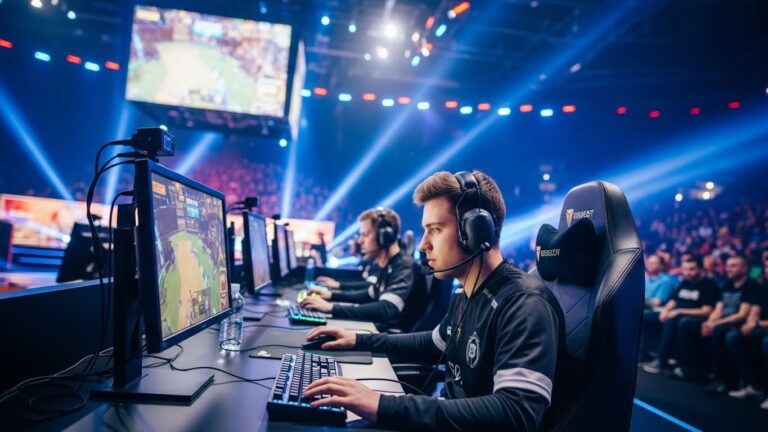




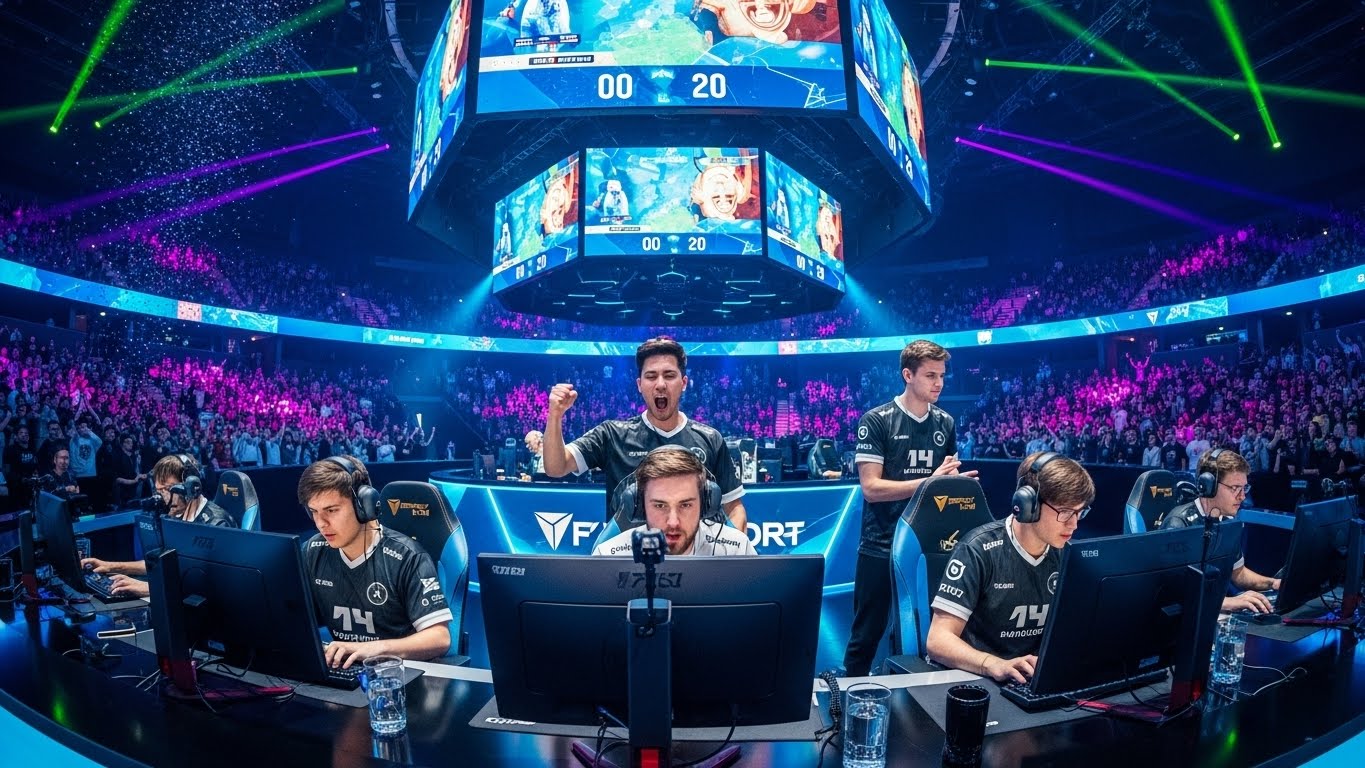
Esports, short for electronic sports, has transformed from a casual hobby into a global phenomenon. Competitive video gaming has grown beyond living rooms and local arcades to become a professional industry with millions of viewers, enormous prize pools, and global recognition. This blog explores the rise of esports, its influence on culture, education, social development, and its growing role in shaping the modern entertainment landscape.
The Rise of Esports
The history of esports dates back several decades, originating with early arcade competitions and local gaming tournaments. Games such as Street Fighter, StarCraft, and Counter-Strike set the foundation for organized competitive gaming. With the advent of high-speed internet and streaming platforms, esports transcended local boundaries, allowing players and fans to connect on a global scale.
Today, esports encompasses multiple genres, including first-person shooters, real-time strategy games, multiplayer online battle arenas, and sports simulations. Major tournaments attract millions of viewers worldwide, and the prize pools rival those of traditional sports championships. The evolution of esports reflects a shift from casual pastime to a professional, structured, and widely recognized industry.
The Economic Impact of Esports
Esports has become a multi-billion-dollar industry with diverse revenue streams. Sponsorships, advertising, merchandise, event tickets, and streaming platforms drive its economic growth. Professional esports teams operate much like traditional sports franchises, complete with coaches, analysts, marketing teams, and brand partnerships.
Beyond players, esports has created opportunities for content creators, commentators, analysts, and influencers. Streaming platforms such as Twitch and YouTube Gaming allow individuals to monetize their gameplay and build careers within the esports ecosystem. The economic influence of esports extends beyond competition; it touches media, technology, marketing, and entertainment sectors, contributing significantly to the global digital economy.
Cognitive and Skill Development in Esports
Competitive gaming requires more than quick reflexes. Esports demands strategic thinking, teamwork, communication, and decision-making under pressure. Players must analyze opponents, develop strategies, and execute them with precision, mirroring the mental and tactical demands of traditional sports.
Research indicates that esports enhances cognitive abilities, including spatial awareness, multitasking, memory, and problem-solving. Professional players dedicate hours daily to practice, studying game mechanics, and refining techniques. These skills are transferable beyond gaming, fostering analytical thinking, resilience, and adaptability in professional and personal life.
Esports in Education
Educational institutions are increasingly recognizing the potential of esports. Schools and universities now offer esports programs, scholarships, and degree courses that cover game design, esports management, digital media, and marketing. These programs provide students with opportunities to pursue professional careers as players, analysts, coaches, and industry professionals.
Esports programs in educational settings promote teamwork, leadership, and critical thinking. They also foster inclusivity, offering students from diverse backgrounds a platform to collaborate, compete, and learn. By integrating esports into education, institutions are preparing students for careers in an industry that blends technology, entertainment, and business.
Esports as a Cultural Phenomenon
Esports has evolved into a global cultural force. Online tournaments and streaming platforms unite players and fans from across the world, creating shared experiences that transcend geography. Fans can follow competitions live, interact with players, and engage in global communities, making esports a powerful tool for cultural exchange.
The influence of esports extends into mainstream entertainment. Celebrities, musicians, and traditional athletes are increasingly participating in gaming events, while major media outlets cover esports competitions as significant cultural events. The industry demonstrates how digital connectivity can shape modern culture and entertainment on a global scale.
Social Impact of Esports
Esports provides social benefits by creating communities and fostering relationships. Online gaming allows players to connect, collaborate, and form long-term friendships. Team competitions emphasize communication, conflict resolution, and cooperative problem-solving, all of which enhance social skills.
Esports also offers a platform for social advocacy. Many tournaments and organizations promote inclusivity, mental health awareness, and charitable initiatives. By encouraging positive engagement, esports demonstrates that digital interaction can produce meaningful social outcomes and foster community development.
The Professionalization of Esports
Contrary to stereotypes, professional esports requires intense dedication and discipline. Elite players follow strict schedules balancing practice, physical fitness, and mental well-being. Teams employ coaches, analysts, nutritionists, and psychologists to optimize performance, mirroring traditional sports teams’ structure.
The competitive nature of esports demands resilience and adaptability. Players face high-pressure situations, public scrutiny, and a continuous need for skill improvement. This professional approach underscores that esports is not merely recreational but a serious career path requiring focus, determination, and strategic thinking.
Women in Esports
While esports has been historically male-dominated, female participation is steadily increasing. Women are breaking stereotypes and gaining recognition as professional players, commentators, and content creators. Esports organizations are establishing inclusive tournaments to encourage female participation and highlight talent across genders.
Representation matters. Successful women in esports inspire younger generations to pursue gaming without bias. The growing visibility of women in esports promotes diversity and equity, enriching the industry with a variety of perspectives, experiences, and creativity.
Technology as a Driving Force
Technology has been central to esports’ growth. High-speed internet, advanced gaming hardware, and sophisticated software enable competitive play on a global scale. Streaming platforms allow real-time broadcasting, audience interaction, and monetization for players and organizations.
Emerging technologies such as virtual reality, augmented reality, and artificial intelligence are expanding esports possibilities. VR esports tournaments offer immersive experiences, while AI-driven analytics help teams improve strategies, predict opponent behavior, and refine training. Technology continues to redefine what esports can achieve, enhancing both player performance and viewer engagement.
Health and Well-being in Esports
While esports offers cognitive, social, and economic benefits, it also presents health challenges. Extended screen time, sedentary lifestyles, and high stress levels can impact physical and mental health. Professional players may face fatigue, eye strain, and repetitive stress injuries if not careful.
To mitigate these risks, esports organizations emphasize physical fitness, proper nutrition, and mental health support. Many professional players incorporate exercise routines, mindfulness practices, and rest periods into their schedules. Prioritizing well-being ensures sustainability and long-term success in esports careers.
Esports as a Career Path
Esports offers diverse career opportunities beyond playing professionally. Individuals can pursue roles in management, marketing, broadcasting, content creation, game development, event organization, and analytics. The industry continues to expand, creating demand for skilled professionals across multiple domains.
The rise of esports careers also emphasizes transferable skills. Strategic thinking, teamwork, communication, and technological literacy developed through esports can be applied to careers in business, technology, media, and education. Esports is not just entertainment; it is a gateway to professional development and innovation.
The Future of Esports
The future of esports is filled with potential. Advancements in virtual reality, augmented reality, and artificial intelligence will make gameplay and viewership more immersive and interactive. Esports will likely continue integrating with traditional sports, entertainment, and education, bridging gaps between digital and physical experiences.
The industry is poised to expand into new regions, reaching previously untapped audiences and fostering global engagement. Esports will not only continue to entertain but also redefine how people connect, compete, and learn in the digital era.
Conclusion: Esports as a Transformative Force
Esports is more than competitive gaming; it is a transformative cultural, social, and economic force. Its rise demonstrates the power of technology to unite people, develop skills, and create career opportunities. From education to entertainment, social development to professional growth, esports has proven its significance in the modern world.
By embracing esports, individuals and communities can access platforms for personal growth, creativity, and collaboration. It challenges traditional notions of competition and provides opportunities for diverse participation. As esports continues to evolve, it promises to inspire passion, resilience, and innovation, reshaping the way we experience gaming, culture, and society itself.