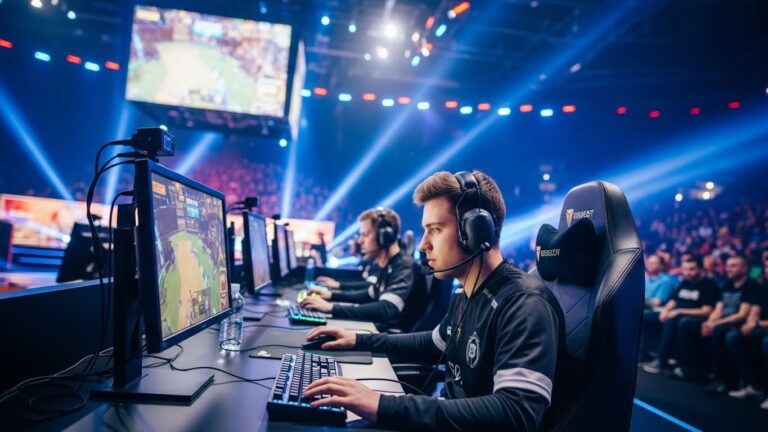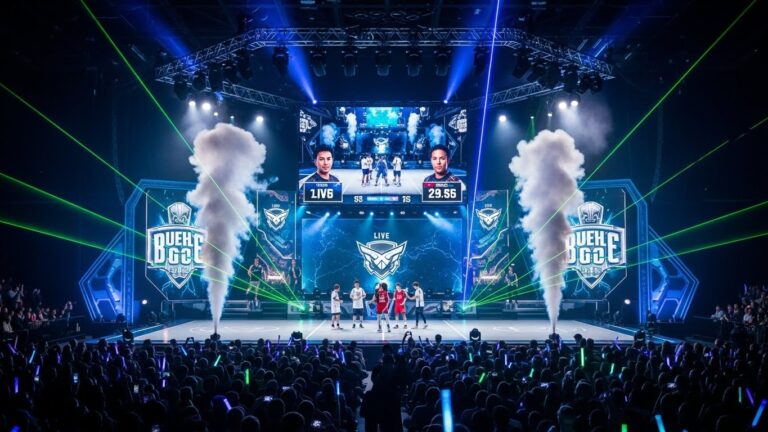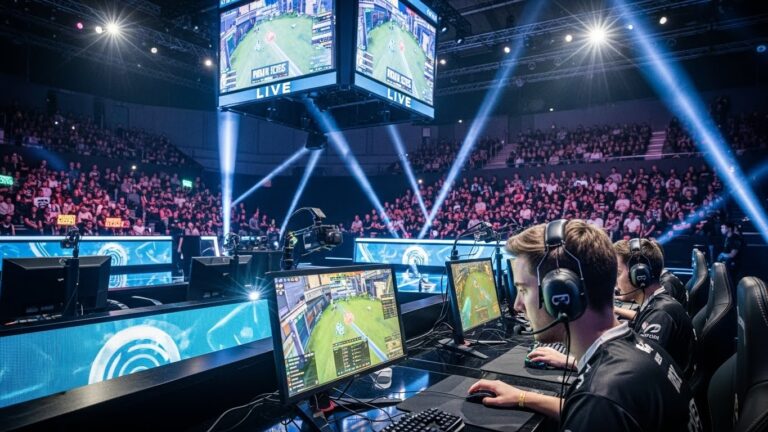




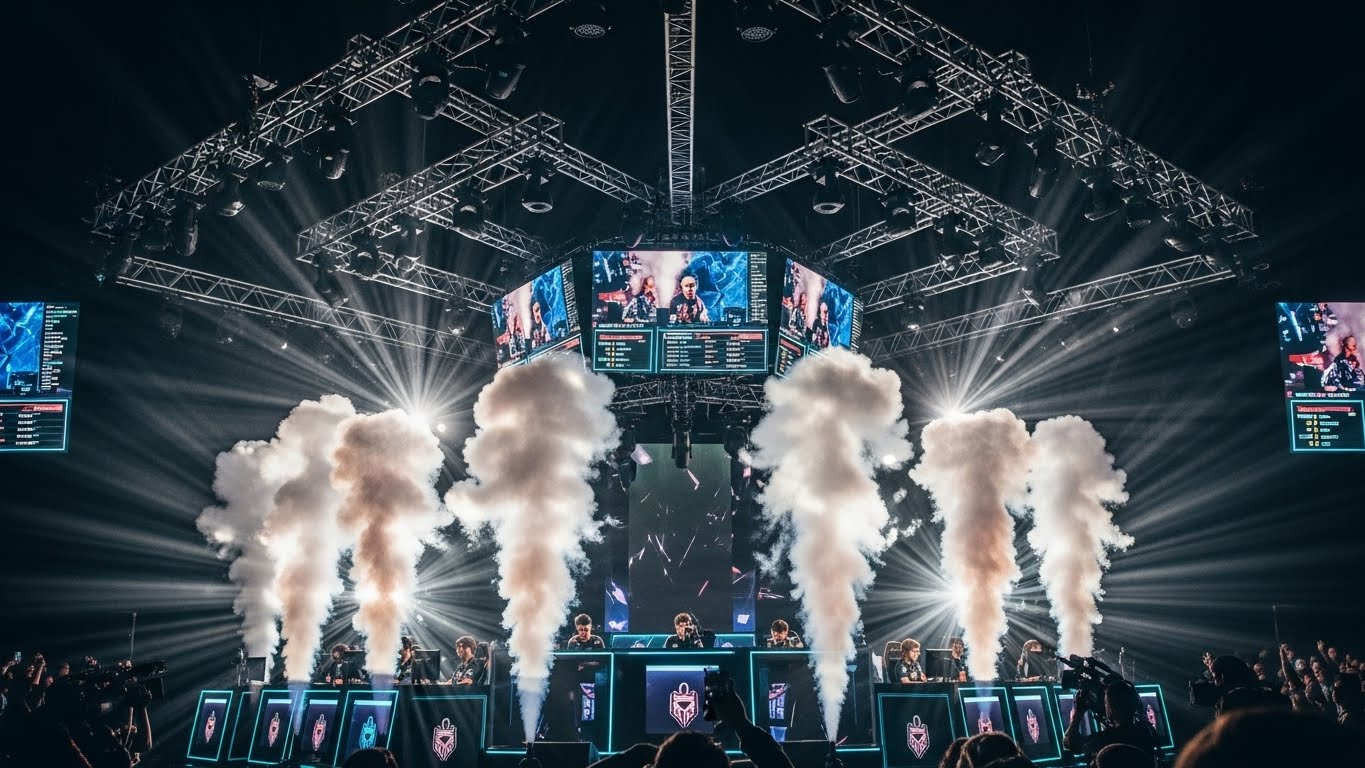
Esports, or electronic sports, has grown from a niche hobby into a global phenomenon that rivals traditional sports in viewership, sponsorship, and cultural impact. What began as small gatherings of gamers competing locally has evolved into a multi-billion-dollar industry with professional players, franchised teams, and massive international tournaments. The rise of esports reflects not only advancements in technology but also a shift in entertainment preferences among younger generations.
The Origins of Esports
Esports traces its roots back to the late 20th century, when competitive gaming started gaining traction in arcades and early home computers. Titles like StarCraft, Counter-Strike, and Warcraft laid the foundation for competitive gaming culture. In South Korea, professional StarCraft players became national celebrities, drawing attention to the potential of esports as more than just a pastime.
High-speed internet and online gaming platforms in the 2000s allowed players to compete internationally, creating a global community of gamers. The development of online streaming services further accelerated this growth, enabling fans to watch live competitions and follow their favorite players from anywhere in the world.
The Structure of the Esports Industry
The esports ecosystem is complex and multifaceted, involving professional players, teams, tournament organizers, sponsors, and streaming platforms.
Players and Teams: Professional esports players often dedicate upwards of ten hours a day to practice, refining mechanical skills, strategies, and teamwork. Teams provide training facilities, coaches, analysts, and support staff to optimize performance.
Tournament Organizers: Competitions range from small regional events to massive international championships. These tournaments feature prize pools that can reach millions of dollars, attracting top talent and extensive media coverage.
Sponsors and Brands: Corporate sponsorships are essential to the esports ecosystem. From energy drinks to tech companies, brands invest heavily in teams, tournaments, and content creators to reach younger, digitally savvy audiences.
Streaming Platforms: Platforms like Twitch and YouTube Gaming have democratized viewership, allowing fans to watch matches live, interact with players, and become part of an online community. Streaming has also enabled aspiring players to gain visibility without relying solely on traditional tournaments.
Popular Esports Genres and Titles
Esports is not limited to a single genre or game. Several categories dominate the competitive landscape, each with unique gameplay mechanics and fan bases.
Multiplayer Online Battle Arenas (MOBAs): Games like League of Legends and Dota 2 require teams to strategize and coordinate in real-time, emphasizing both individual skill and collective tactics.
First-Person Shooters (FPS): Titles such as Counter-Strike: Global Offensive, Valorant, and Call of Duty appeal to fans who enjoy fast-paced action, precision, and reflex-driven gameplay.
Battle Royale Games: Games like Fortnite and PUBG combine survival mechanics with competitive play, attracting a younger and more casual audience alongside professional players.
Fighting and Sports Simulation Games: While niche, fighting games like Street Fighter and sports simulations like FIFA maintain dedicated competitive communities, often with international tournaments and passionate fanbases.
The Role of Streaming and Media
Streaming has been crucial to the rise of esports. Unlike traditional sports, where fans primarily watch on television or attend live events, esports viewers engage interactively through chat, polls, and real-time commentary. This interactivity fosters a sense of community and allows fans to feel connected to players and teams.
Streamers and content creators also help expand the reach of esports. They provide tutorials, match analyses, and entertaining content that draws in viewers who might not follow professional competitions. Streaming has made esports accessible and inclusive, allowing anyone with an internet connection to participate, watch, and learn.
Esports as a Career
Esports offers diverse career paths beyond being a professional player. While top-tier players can earn significant salaries, prize money, and sponsorship deals, other roles within the industry include coaching, analysis, broadcasting, event management, and content creation.
However, a career in esports comes with challenges. Professional players often face intense pressure, long practice hours, and a short career span, with many retiring in their mid-20s. Organizations now provide physical and mental health support, ensuring players can transition into coaching or streaming roles after retirement.
Esports in Education
Educational institutions have increasingly recognized esports as a legitimate avenue for learning and engagement. Universities and colleges now offer esports scholarships, team programs, and courses in game design, management, and marketing. These programs provide students with technical skills, teamwork experience, and leadership opportunities that extend beyond gaming.
Esports in education also promotes inclusivity, allowing students who may not participate in traditional sports to engage competitively, develop confidence, and build social connections. The structured approach in academic settings helps prepare students for professional opportunities in the growing esports industry.
The Economic Impact of Esports
Esports has a significant economic footprint. Beyond prize money, the industry generates revenue through sponsorships, advertising, merchandise, ticketed events, and digital subscriptions. Major tournaments attract thousands of fans, contributing to local tourism, hospitality, and entertainment sectors.
The technology sector also benefits from esports’ growth. High-performance gaming hardware, software development, streaming services, and network infrastructure have all seen increased investment. Esports has proven to be an economic driver, creating jobs and fueling innovation in multiple industries.
Cultural Significance of Esports
Esports has reshaped modern entertainment and popular culture. It has turned gamers into global celebrities, influencing fashion, music, and lifestyle trends. Fans follow players’ social media, celebrate victories, and form online communities that mirror traditional sports fandoms but in a digital space.
Esports has also expanded the definition of competition. Unlike traditional sports, where physical skill is paramount, esports highlights strategic thinking, teamwork, and mental acuity. This shift challenges societal perceptions of sports and emphasizes the growing legitimacy of digital competition.
Challenges Facing Esports
Despite its success, esports faces several challenges. Regulatory inconsistencies across countries, lack of standardized rules, and issues related to player welfare remain concerns. Mental health, online harassment, and burnout are significant issues for professional players and content creators.
Gender representation and inclusivity are also ongoing challenges. While progress has been made, female players and marginalized communities are underrepresented in competitive circuits. Addressing these issues is essential to ensure sustainable growth and a welcoming environment for all participants.
The Future of Esports
The future of esports is promising, driven by technological innovation and mainstream acceptance. Virtual reality, augmented reality, and artificial intelligence are poised to enhance gameplay, training, and fan engagement. Hybrid events combining physical and digital experiences may become standard, attracting even broader audiences.
Esports is also likely to integrate further with traditional sports, creating crossover events and shared fan experiences. With increasing investment from educational institutions, brands, and governments, competitive gaming is poised to become a permanent fixture in global entertainment culture.
Conclusion
Esports has evolved from a small-scale hobby into a global cultural and economic force. It represents a new form of competition that emphasizes skill, strategy, and digital interaction. The industry continues to grow, attracting talent, fostering communities, and inspiring technological innovation.
For players, fans, and investors, esports offers unparalleled opportunities for engagement, career development, and entertainment. More than a game, esports is a digital revolution reshaping how society perceives competition, community, and culture. Its continued growth ensures that competitive gaming will remain a central part of modern entertainment for years to come.