


Introduction
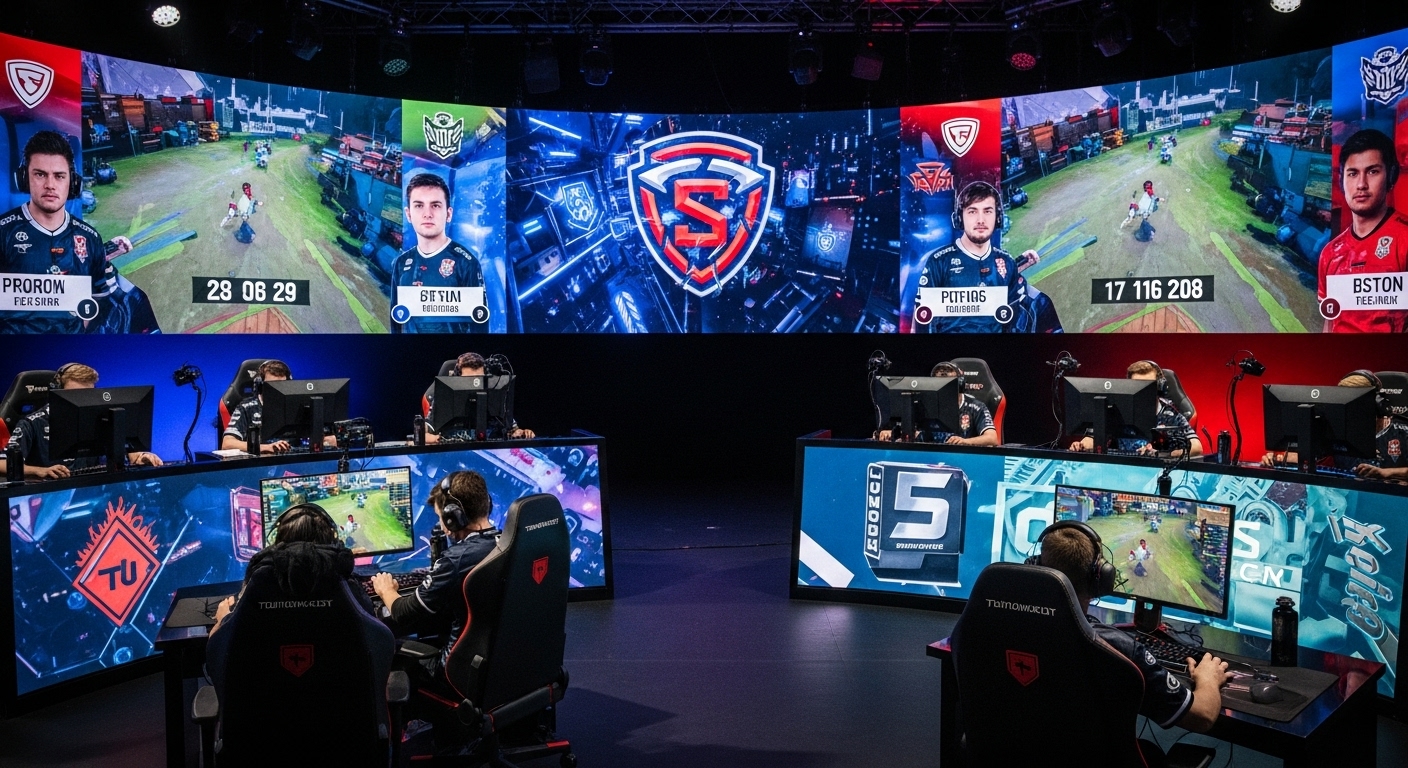
In the past decade, esports has emerged as one of the fastest-growing sectors in entertainment and competition. Once considered a niche hobby, competitive gaming has now reached millions of viewers globally, with professional players, major tournaments, and international recognition. Esports is no longer just about playing video games—it is a serious career path, a community builder, and a cultural phenomenon. This blog explores the rise of esports, its impact on youth, communities, and the economy, and the future potential of competitive gaming.
The Origins of Esports
Esports has its roots in the early days of video gaming. In the late 1970s and 1980s, arcade competitions were a popular form of entertainment, with players competing for high scores on games like Pong and Space Invaders. These local competitions created the first communities of passionate gamers who shared strategies and skills.
The 1990s marked a turning point with the rise of personal computers and online connectivity. Multiplayer games like StarCraft, Warcraft, and Counter-Strike allowed players from around the world to compete in real time. These games introduced organized tournaments, ranking systems, and team-based competition, laying the foundation for the esports ecosystem we see today.
The Global Expansion of Esports
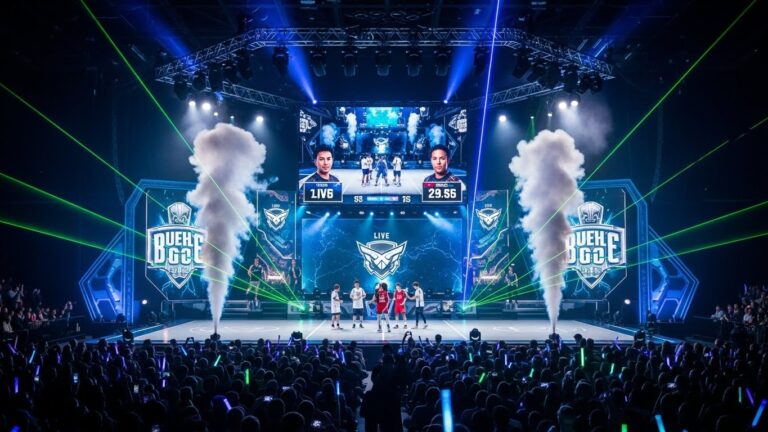
In the 2010s, esports experienced explosive growth. Games like League of Legends, Dota 2, Fortnite, and Call of Duty attracted millions of viewers online and offline. Large-scale tournaments now offer multi-million-dollar prize pools and sell out arenas, rivaling traditional sports in popularity.
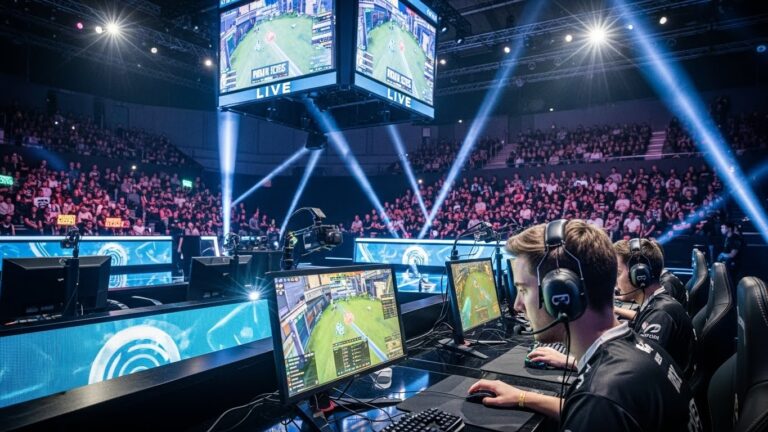
Online streaming platforms have played a critical role in this growth. Fans can watch live matches, interact with players, and follow tournaments from anywhere in the world. This accessibility has made esports a mainstream form of entertainment, attracting not only gamers but also casual viewers and corporate investors.
The Structure of Competitive Gaming
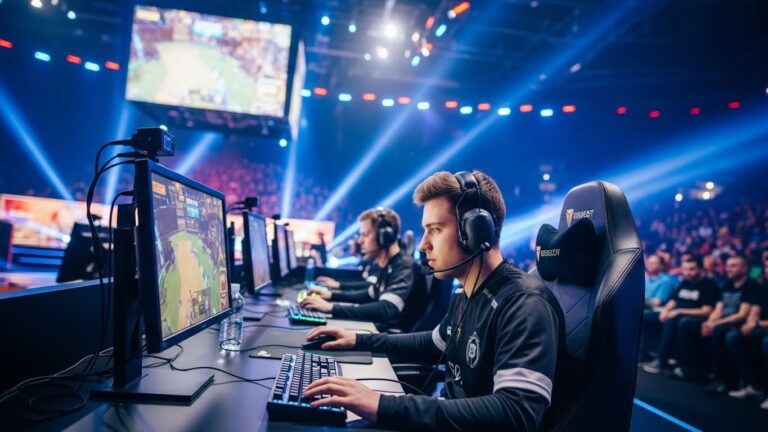
Esports operates with a level of professionalism similar to traditional sports. Teams consist of players, coaches, analysts, and support staff. Players spend hours each day practicing mechanics, studying strategies, and coordinating with teammates. The combination of reflexes, decision-making, and teamwork required in esports makes it a unique competitive discipline.
Unlike traditional sports that rely primarily on physical strength, esports demands mental agility, strategic thinking, and precise hand-eye coordination. Professional players are under constant pressure to perform, and the demands of competitive gaming require discipline, resilience, and focus.
Technology as the Backbone of Esports
Technology is central to the growth and success of esports. High-performance computers, gaming consoles, peripherals, and ultra-fast internet connections are essential for competitive play. Streaming platforms and broadcasting tools allow tournaments to reach global audiences in real time, creating an immersive experience for fans.
Emerging technologies such as virtual reality, augmented reality, and AI-driven analytics are beginning to influence esports. These innovations provide new ways for players to train, compete, and engage audiences, ensuring that esports continues to evolve in complexity and excitement.
Esports as a Career Opportunity
One of the most remarkable aspects of esports is its transformation into a professional career. Top players earn salaries, sponsorships, and prize money, often comparable to traditional athletes. Beyond playing, opportunities exist in coaching, event management, broadcasting, content creation, and game development.
Professional esports organizations operate like sports franchises, offering training facilities, wellness programs, and structured schedules for players. This level of professionalization demonstrates that esports is not just entertainment but a serious industry with long-term career potential.
Impact on Youth and Education
Esports has a profound influence on youth culture and education. Participation in competitive gaming improves problem-solving skills, strategic thinking, and multitasking abilities. Schools and universities have begun offering esports programs and scholarships, recognizing the benefits of organized competitive play.
Esports also encourages teamwork and communication. Players must collaborate effectively to achieve objectives, developing leadership and conflict-resolution skills. These experiences are valuable in both academic and professional settings. Esports provides a platform where youth can develop important life skills while pursuing a passion.
Community and Social Engagement
Esports fosters strong communities both online and offline. Online forums, streaming chats, and social media platforms allow fans, players, and content creators to connect, share strategies, and celebrate achievements. These digital communities provide a sense of belonging and engagement for people worldwide.
Local esports events and leagues strengthen communities by creating opportunities for players and fans to gather in person. These events encourage participation, collaboration, and social interaction. By bridging geographic and cultural divides, esports promotes inclusivity and social cohesion.
Economic Influence of Esports
The economic impact of esports is significant and continues to grow. The industry generates revenue through tournament prize pools, sponsorship deals, advertising, media rights, and merchandise. Professional teams attract investments, and tournaments stimulate tourism and local business growth.
Additionally, esports drives technological innovation in hardware, software, and digital media. The growth of the industry has created new job opportunities for event organizers, coaches, analysts, content creators, and marketers. Esports is now a major contributor to the global digital economy.
Health and Well-Being in Esports
Although esports is a digital activity, physical and mental health are critical for performance. Professional players focus on physical fitness, ergonomics, and nutrition to maintain peak performance. Mental health support is equally important due to the stress and pressure associated with competitive play.
Esports also promotes cognitive development, enhancing memory, reflexes, strategic thinking, and multitasking. When balanced with physical activity and proper lifestyle management, esports provides a healthy and intellectually stimulating environment for participants.
The Future of Esports
The future of esports is bright and full of potential. Technological advancements, increasing investment, and mainstream acceptance ensure continued growth. Virtual reality, augmented reality, and artificial intelligence will create new competitive formats and immersive experiences for players and fans.
Esports is also expected to integrate further with traditional sports, resulting in hybrid events and collaborations that expand audience engagement. The professionalization of esports, combined with educational programs and global recognition, will ensure that competitive gaming continues to thrive as both a career path and a form of entertainment.
Conclusion
Esports has transformed the way we view competition, entertainment, and technology. From its humble beginnings in arcades and early online games to its current status as a global industry, esports demonstrates that gaming can be a serious, professional, and culturally significant pursuit.
Esports inspires youth, builds communities, drives economic growth, and creates career opportunities. It combines strategy, skill, teamwork, and technological innovation to create experiences that engage millions worldwide. As esports continues to grow, it will redefine what it means to compete, spectate, and participate in the digital age.
For players and fans alike, esports is not just a game—it is a movement, a profession, and a cultural revolution that reflects the limitless potential of human creativity and ambition in the world of digital entertainment.