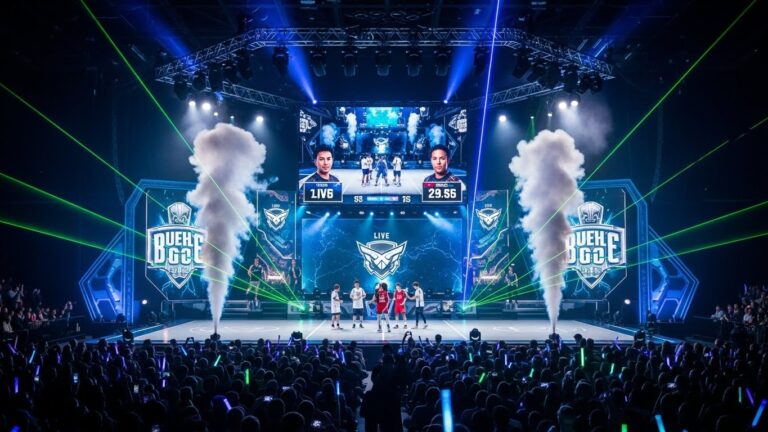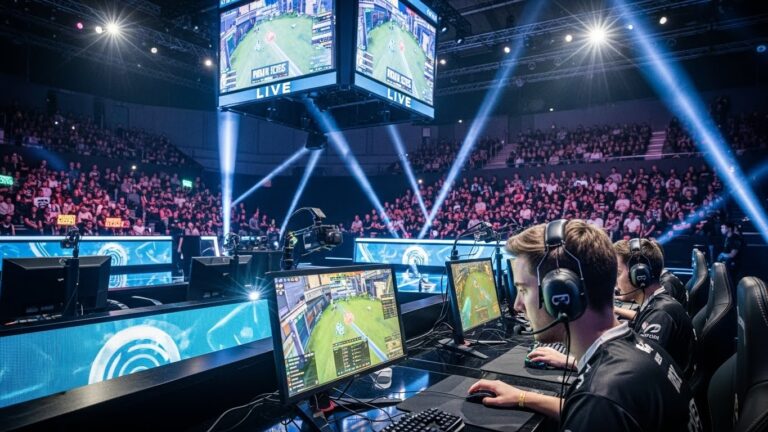





In recent years, esports has emerged as one of the most dynamic and rapidly growing sectors of the global entertainment landscape. What was once seen as a niche interest for a small group of dedicated gamers has blossomed into a multi-billion-dollar industry, captivating millions of fans and creating new career opportunities for players, commentators, analysts, and content creators. Today, esports stands as a global phenomenon, with its influence stretching far beyond the gaming community. This blog post will explore the rise of esports, its growth factors, and what makes it a unique form of digital competition.
1. The Rise of Esports: From Hobby to Global Phenomenon
Esports’ journey began in the early days of competitive gaming, when small, grassroots tournaments were held in basements or local arcades. These competitions revolved around a few iconic games like Street Fighter, Warcraft, and Quake. Back then, the idea of watching someone else play a video game professionally was unfathomable to most people. However, as technology improved and the internet became more accessible, a shift began to take place.
The true turning point for esports came in the 2000s, as online multiplayer games such as League of Legends, Counter-Strike, and Dota 2 became mainstream. These games, which offered highly competitive, team-based gameplay, allowed players to compete on a global scale. The introduction of streaming platforms like Twitch and YouTube allowed fans to watch their favorite players and teams in real-time, bringing esports competitions to an entirely new audience.
Today, esports tournaments are held in massive arenas, drawing thousands of spectators and millions more online. Iconic events like The International and the League of Legends World Championship offer prize pools worth millions of dollars, showcasing the immense popularity and commercial potential of competitive gaming.
2. Key Factors Behind the Explosive Growth of Esports
Several factors have contributed to the rapid rise of esports, turning it into a cultural and financial powerhouse. Below are some of the most significant drivers behind the industry’s success:
1. Streaming Platforms: The ability to watch live gaming tournaments on platforms like Twitch and YouTube has made esports more accessible than ever. Fans can now tune in to watch competitions anywhere in the world, fostering a sense of community and enabling real-time engagement with players, teams, and commentators.
2. Sponsorship and Investment: As esports has gained popularity, it has attracted sponsorships from major corporations and traditional sports organizations. Brands such as Coca-Cola, Intel, and Adidas now sponsor esports teams and tournaments, providing financial backing and credibility to the industry. This influx of sponsorship money has helped professionalize esports, making it a legitimate career path for top-tier players.
3. Social Media Engagement: Social media platforms like Twitter, Instagram, and Discord have allowed fans to interact with players and teams on a personal level. The ability to follow, comment on, and share content related to esports has created a strong sense of community and fan loyalty, which has further fueled the growth of the industry.
4. Traditional Sports’ Embrace of Esports: In recent years, even traditional sports leagues have taken notice of the rise of esports. Organizations like the NBA and NFL have invested in esports franchises, while established sports media outlets have started broadcasting esports events. This crossover between esports and traditional sports has helped bring competitive gaming into the mainstream.
3. The Structure of Esports: Teams, Leagues, and Tournaments
Esports is not a one-size-fits-all industry; it is made up of various competitive games, each with its own format and structure. However, most esports follow a similar framework involving teams, leagues, and tournaments.
Esports Teams: Just like traditional sports, esports are dominated by professional teams that compete in specific games. These teams usually consist of five to six players, each specializing in a specific role within the game. For example, in League of Legends, each player might take on roles such as mid-laner, jungler, or support. Teams train rigorously, often spending hours each day refining their strategies, practicing individual mechanics, and scrimming against other teams.
Esports Leagues: Many games now have their own professional leagues, which operate much like traditional sports leagues. Leagues like the Overwatch League and Call of Duty League feature regular-season matches, playoff rounds, and a grand championship. These leagues provide structure and stability to the competitive gaming scene, allowing fans to follow teams and players over the course of a season.
Esports Tournaments: In addition to league-based play, there are numerous major tournaments held throughout the year for individual games. The International, for example, is one of the most prestigious tournaments in Dota 2, boasting a prize pool of over $40 million. These tournaments attract global talent, and the matches are often broadcast live to millions of viewers. Winning these tournaments is considered the pinnacle of achievement in esports, with the top players gaining worldwide recognition.
4. The Different Genres of Esports Games
Esports spans a wide variety of game genres, each offering a unique competitive experience. While League of Legends and Dota 2 are two of the most popular games in the esports world, there are several other genres that have cultivated dedicated competitive scenes.
1. Multiplayer Online Battle Arenas (MOBAs): MOBAs like League of Legends, Dota 2, and Smite are hugely popular in esports. These games are team-based and involve strategic gameplay, with players controlling individual characters, each with their own unique abilities. The goal is to outmaneuver the opposing team and destroy their base. These games are known for their complexity and require in-depth knowledge of strategy, positioning, and teamwork.
2. First-Person Shooters (FPS): FPS games like Counter-Strike: Global Offensive, Call of Duty, and Overwatch are staples in the esports landscape. These games focus on precise aiming and quick reflexes, with players competing in team-based or free-for-all combat scenarios. FPS games are often fast-paced and require high levels of skill and coordination.
3. Real-Time Strategy (RTS): While not as mainstream as MOBAs or FPS games, RTS games like StarCraft II have long been staples in the esports world. These games involve managing resources, building armies, and outsmarting opponents in real-time. RTS games are known for their strategic depth and the need for players to multitask and make rapid decisions under pressure.
4. Fighting Games: Fighting games like Street Fighter, Tekken, and Super Smash Bros. have their own competitive scene, with players dueling one-on-one in fast-paced combat. These games require precise execution of combos, deep understanding of character mechanics, and quick reflexes. Events like Evo, the largest fighting game tournament, draw huge crowds and showcase the skill of top-tier players.
5. Battle Royale: The Fortnite and PUBG Battle Royale genre has seen explosive growth in recent years. These games drop players onto a large map, where they must fight to be the last one standing. While Battle Royale games are typically more casual, tournaments like the Fortnite World Cup have attracted major esports attention, with massive prize pools and international competition.
5. Career Opportunities in Esports
One of the most exciting aspects of esports is the diverse range of career opportunities it offers. While being a professional player is the dream for many, there are numerous other roles that contribute to the ecosystem.
1. Esports Players: The most obvious career path is becoming a professional player. Esports players can earn significant salaries, particularly in top-tier games like League of Legends or Dota 2. Players also make money through sponsorships, merchandise sales, and streaming.
2. Coaches and Analysts: Just like traditional sports teams, esports teams employ coaches to help them refine their strategies and improve performance. Analysts also play a key role in breaking down matches and providing insights into gameplay.
3. Broadcast Talent: Esports events are broadcast live to millions of viewers. Commentators, analysts, and hosts bring these events to life, providing commentary, player interviews, and match analysis. A career in esports broadcasting can be just as rewarding as playing professionally.
4. Event Organizers and Managers: Esports tournaments and leagues require a great deal of organization, from securing venues to managing logistics. Event organizers are responsible for creating a smooth and exciting experience for both players and fans.
5. Content Creators and Influencers: Streamers, YouTubers, and social media influencers have become stars in their own right. Content creators make a living by streaming their gameplay, offering tips, and building communities around the games they love.
6. The Future of Esports
The future of esports is incredibly promising, with continued growth expected across all aspects of the industry. Technological advancements, such as virtual reality (VR) and augmented reality (AR), may change the way fans experience esports, creating even more immersive and interactive viewing experiences.
Esports is also likely to continue its expansion into new regions, particularly in emerging markets where gaming culture is on the rise. As more countries invest in esports infrastructure, the global reach of competitive gaming will only continue to grow.
Conclusion: The Global Impact of Esports
Esports is not just a passing trend—it is a new era of digital competition that is reshaping the entertainment industry. With its diverse genres, talented players, passionate fanbase, and endless career opportunities, esports is here to stay. As the industry continues to evolve, it will be fascinating to see how technology, sponsorship, and media partnerships shape its future, cementing esports as a core element of global entertainment culture.