



Introduction
Esports, or competitive video gaming, has emerged as one of the most influential entertainment industries of the 21st century. What began as casual tournaments among friends and small local communities has evolved into a billion-dollar industry with professional teams, dedicated leagues, global tournaments, and millions of fans. Unlike traditional sports, esports exists entirely in the digital realm, yet it mirrors many of the structures, strategies, and professional requirements of conventional athletics. The growth of esports demonstrates how technology, culture, and human competitiveness intersect to create a new form of global entertainment.
This blog explores the evolution of esports, the key games and tournaments that shaped its development, its economic and cultural impact, the role of technology, the life of professional players, and the challenges and future prospects of this rapidly growing industry.
The Early Days of Competitive Gaming
The origins of competitive gaming can be traced back to the early 1970s when video games first appeared in arcades and on university campuses. One of the earliest known competitions occurred in 1972 at Stanford University, where students played Spacewar for a magazine subscription. Although the stakes were modest, this event marked the first organized attempt at structured competition within video games.
The 1980s brought the arcade era, with titles such as Pac-Man, Donkey Kong, and Space Invaders introducing the concept of leaderboards. Players competed to achieve the highest scores, creating informal rivalries and fostering community interaction. Local competitions and arcade tournaments became popular, giving players the opportunity to showcase their skills and earn recognition.
The 1990s marked a turning point with the rise of personal computers and home consoles. Multiplayer games like Doom, Quake, and Warcraft allowed players to compete over local area networks and, later, the internet. These developments created the foundation for professional esports by promoting teamwork, strategy, and competitive skill, extending gaming beyond casual play into a structured, organized activity.
Professionalization of Esports
The 2000s marked the beginning of esports as a professional industry. Games such as StarCraft, Counter-Strike, and Defense of the Ancients (DotA) became central to organized competitive play. South Korea emerged as a hub for esports, particularly with StarCraft: Brood War, where televised matches elevated players to celebrity status. Sponsorships and corporate backing made it possible for players to pursue gaming as a full-time career.
International tournaments such as Major League Gaming and World Cyber Games provided structured platforms for global competition. Teams began to adopt professional training regimens, hire coaches, and develop strategies similar to traditional sports teams. This era established the foundation for esports as a serious, competitive pursuit requiring discipline, teamwork, and mental fortitude.
The Impact of Streaming Platforms
The 2010s saw a major revolution in esports with the rise of streaming platforms. Twitch, YouTube Gaming, and Facebook Gaming enabled fans to watch live competitions from anywhere in the world. Streaming created direct interaction between players and audiences, allowing fans to engage in real-time chats, commentary, and social media interactions. This engagement turned players into digital celebrities and fostered a sense of community among viewers.
Streaming also democratized access to esports, allowing smaller tournaments to gain global visibility alongside major competitions. Millions of viewers tuned in to watch events like the League of Legends World Championship, Dota 2’s The International, and Fortnite tournaments. The accessibility and interactivity provided by streaming platforms played a pivotal role in transforming esports into a mainstream entertainment phenomenon.
Games That Defined the Esports Landscape
Several games have been instrumental in shaping competitive gaming. League of Legends established a structured competitive ecosystem, with regional leagues culminating in international championships. Dota 2 introduced unprecedented prize pools through crowdfunding, with The International offering millions in rewards. Counter-Strike: Global Offensive has remained a staple first-person shooter, maintaining a strong fanbase for years. Overwatch and Valorant introduced team-based tactical gameplay, emphasizing coordination, strategy, and rapid decision-making.
Battle royale games such as Fortnite and PlayerUnknown’s Battlegrounds expanded esports’ appeal to younger and more casual audiences. This variety of game genres ensures that esports caters to different skill sets, playstyles, and viewer preferences, contributing to the industry’s widespread popularity.
The Economics of Esports
Esports has become a multi-billion-dollar global industry. Revenue streams include sponsorships, advertising, ticket sales, merchandise, and media rights. Major brands recognize esports as a marketing avenue to reach young, digitally engaged audiences. Companies from technology, lifestyle, and energy drink sectors often sponsor teams, events, and individual streamers, integrating esports into mainstream advertising strategies.
Professional esports organizations operate like traditional sports franchises. Teams recruit players, manage contracts, develop branding, and create content for fans. Organizations such as Team Liquid, Fnatic, Cloud9, and T1 have expanded beyond competition into media, merchandising, and lifestyle branding, demonstrating the economic potential of the industry.
The Life of an Esports Athlete
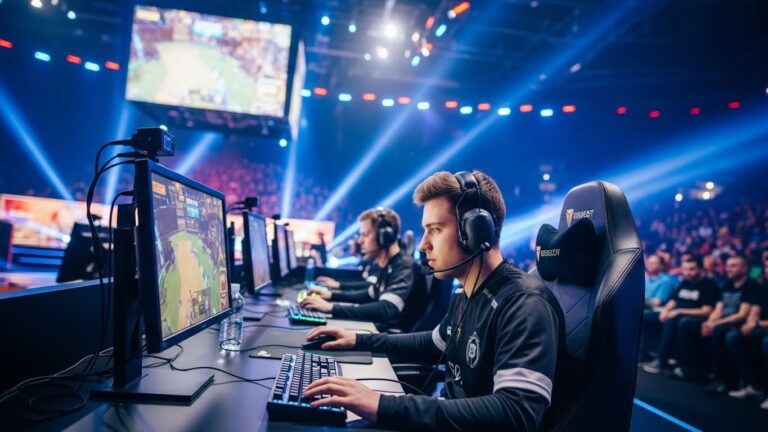
Professional esports athletes are highly disciplined and skilled individuals. They dedicate hours daily to improving reflexes, strategic thinking, and team coordination. In team-based games like League of Legends or Overwatch, effective communication and synergy often determine success. Players study opponents, analyze gameplay footage, and develop strategies to maximize performance.
Mental resilience is crucial, as competitive environments can be stressful. Many esports teams employ performance coaches and psychologists to support players’ mental health. Physical fitness is also emphasized to prevent injuries and sustain long gaming sessions. Professional esports athletes therefore combine mental acuity, reflexes, teamwork, and physical endurance to excel in their field.
Esports in Education
Educational institutions are increasingly recognizing the value of esports. Universities worldwide now offer scholarships for competitive gaming, while high schools are establishing esports clubs and teams. These programs help students develop skills such as leadership, teamwork, communication, and strategic thinking.
Beyond playing professionally, students can pursue careers in esports management, broadcasting, event planning, analytics, and coaching. The inclusion of esports in education highlights its legitimacy and its role in providing career pathways for young talent.
Cultural Impact of Esports
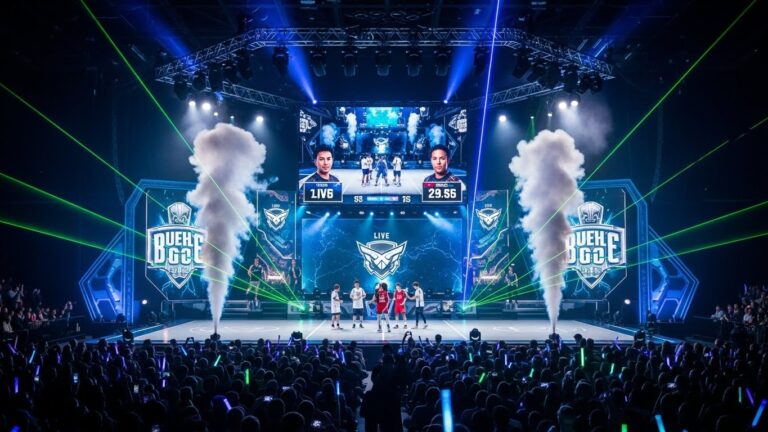
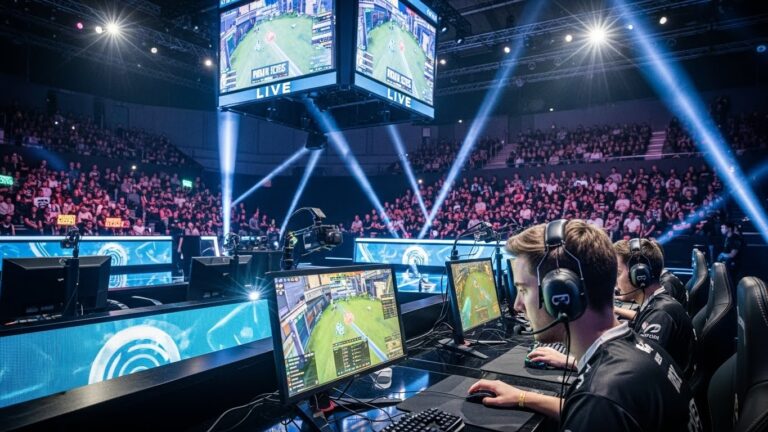
Esports has grown into a global cultural phenomenon. Major tournaments are entertainment spectacles with elaborate stage designs, live performances, and interactive fan experiences. Stadiums hosting esports events rival traditional sports arenas, while online streaming allows fans worldwide to participate in real-time. The excitement and engagement demonstrate esports’ significance as a cultural and social activity.
Esports also influences fashion, music, and media. Collaborations between gaming companies and lifestyle brands produce highly sought-after merchandise. Music performances at tournaments, documentaries about players, and esports-inspired content highlight the integration of gaming into mainstream culture. The global esports community fosters shared digital experiences, strengthening the cultural impact of competitive gaming.
Technological Advancements in Esports
Technology has been a driving force in esports. High-speed internet, advanced graphics, and powerful gaming hardware enable smooth and competitive play. Cloud gaming and 5G connectivity allow players worldwide to participate without high-end devices.
Emerging technologies such as virtual reality and augmented reality are creating immersive spectator and player experiences. Fans can engage in interactive viewing, while players can compete in hybrid digital-physical environments. Artificial intelligence is used for performance analysis, strategy optimization, and tournament production, ensuring esports continues to evolve alongside technological innovation.
Challenges Facing the Esports Industry
Despite rapid growth, esports faces significant challenges. Player burnout is common due to long hours of practice, travel, and high-stakes competition. Many professional players retire in their twenties, highlighting the need for wellness support and career longevity.
Regulatory fragmentation is another concern. Different game publishers and organizations enforce varying rules, affecting contracts, tournament fairness, and prize distribution. Standardization and governance are essential for maintaining integrity.
Inclusivity is also an ongoing issue. Female players and minority groups are underrepresented, and online harassment persists. Creating inclusive and safe environments is crucial for the sustainable growth of esports.
Esports and Traditional Sports
The convergence of esports and traditional sports has created new opportunities. Many professional sports organizations have launched esports teams or tournaments, bridging digital and physical competition. The NBA 2K League, for instance, allows players to represent real basketball franchises. Athletes from conventional sports also invest in esports, stream gameplay, and engage with fans, increasing esports’ legitimacy and reach.
Esports During the Global Pandemic
The COVID-19 pandemic accelerated esports’ growth. While traditional sports faced disruptions, esports adapted seamlessly to online formats. Tournaments continued virtually, maintaining fan engagement. Viewership surged as people sought digital entertainment and social interaction. Hybrid models combining online and live events continue to thrive, demonstrating esports’ resilience and adaptability.
The Global Esports Community
Esports transcends geographical and cultural boundaries. Players from diverse backgrounds compete on equal footing, and fans connect through shared enthusiasm. International tournaments foster cross-cultural exchange, while online platforms provide communities for discussion, interaction, and fan engagement. This global network strengthens a sense of belonging and identity among esports enthusiasts.
The Future of Esports
The future of esports is promising, driven by technological innovation, expanding audiences, and cultural relevance. Virtual reality, augmented reality, cloud gaming, and artificial intelligence will redefine how competitions are played and viewed. Discussions about including esports in the Olympics suggest growing recognition of its legitimacy.
Esports will continue to influence entertainment, culture, and media, demonstrating the potential of digital communities and technological innovation. Its expansion shows that competitive gaming is not just a pastime but a transformative cultural and economic force.
Conclusion
Esports has grown from a small hobby into a global industry that combines competition, culture, and technology. Professional players, international tournaments, streaming platforms, and fan communities illustrate its significance as both an entertainment and cultural phenomenon. It requires skill, strategy, discipline, and mental resilience, proving that gaming can be as rigorous and rewarding as traditional sports.
From early arcade competitions to packed stadiums and millions of online viewers, esports has redefined competition in the digital age. Its influence on technology, culture, and entertainment will continue to grow, establishing esports as a permanent fixture in global society.