
Introduction: The Birth of a Digital Empire
Esports, or competitive gaming, has transformed from a small underground scene into one of the most influential entertainment industries in the world. What began as friendly competitions among arcade players has become an international ecosystem of professional leagues, superstar gamers, massive arenas, and millions of dedicated fans. Esports has reshaped entertainment, culture, education, and even the global economy, proving that digital competition is just as powerful and captivating as traditional sports.
The Early Days of Competitive Gaming
The earliest forms of organized gaming competitions took place in arcades, where players battled for high scores and bragging rights. These humble beginnings showed the world that gaming held untapped potential for excitement and rivalry. As video game consoles and personal computers grew in popularity, competitive gaming followed. Players organized local tournaments, online communities formed around popular titles, and dedicated gamers began honing their skills more seriously.
The turning point occurred when online connectivity became widespread. Suddenly, players from different regions could compete against each other without being in the same room. This shift opened the door for global competitions and laid the foundation for the massive esports industry we see today.
Esports Genres That Dominate the Scene
Esports includes a wide range of game genres, each offering unique competitive experiences and building passionate fan communities.
First-Person Shooters require lightning-fast reflexes, precise aim, and strategic team coordination. These games create intense, fast-paced experiences that keep audiences on the edge of their seats.
Multiplayer Online Battle Arenas focus on teamwork, strategic planning, and character mastery. Players must understand dozens of champions, abilities, and game mechanics, making these games complex and deeply competitive.
Real-Time Strategy Games challenge players to think rapidly, manage resources, and develop winning strategies under pressure. They test mental endurance and multitasking abilities at the highest level.
Sports Simulation Games mirror traditional sports, allowing players to compete on a virtual field. These games bridge the gap between physical sports fans and gaming enthusiasts, creating a unique hybrid audience.
Battle Royale Games introduce survival-based competition, where players or teams fight to be the last standing in a shrinking map. These games combine unpredictability with skill, keeping the gameplay fresh and exciting.
The Rise of Professional Esports Leagues
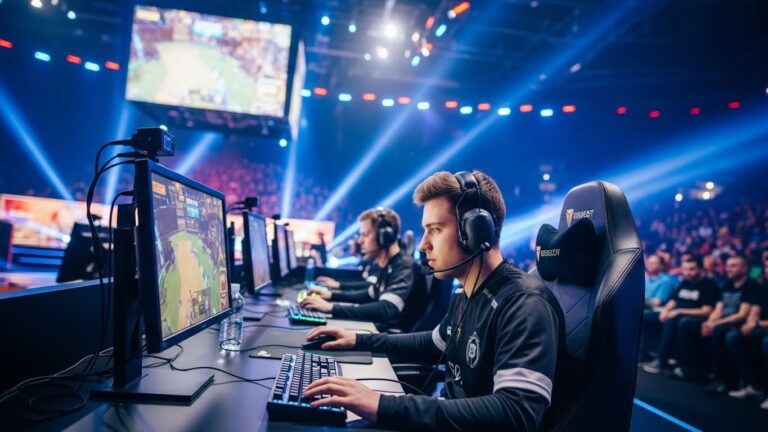
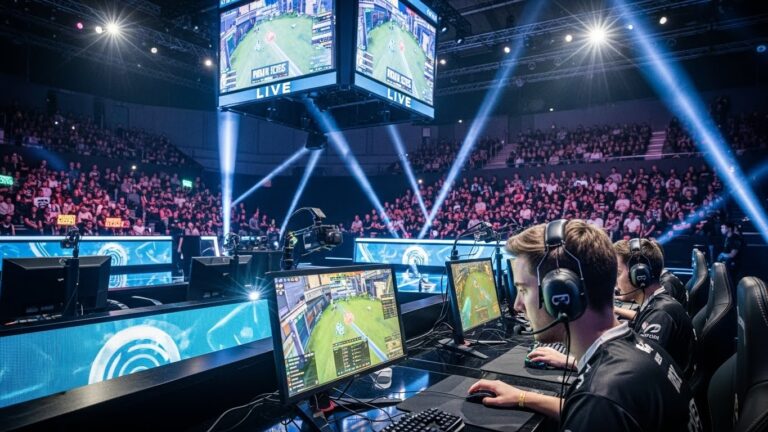
Today, esports competitions resemble traditional sports leagues in structure and scale. Professional teams sign players to contracts, hire coaches, invest in training facilities, and develop long-term strategies. Global tournaments attract millions of viewers, while national and regional leagues give emerging players opportunities to grow.
These leagues breathe life into the esports ecosystem and provide stability for players. Seasonal competitions, playoffs, championship events, and fan festivals create a predictable schedule similar to traditional sports, making esports more accessible for newcomers and fans alike.
The Life of a Professional Esports Athlete
Professional esports players dedicate countless hours to mastering their craft. Their daily routines include practice sessions, scrimmages, strategy meetings, physical workouts, and mental training. Contrary to misconceptions, esports demands more than quick reflexes; it requires discipline, stamina, emotional control, and teamwork.
As the industry grows, so does the support structure around players. Coaches help with strategy and gameplay analysis, nutritionists guide healthy habits, and psychologists assist with mental pressure and burnout prevention. Top players become celebrities, gaining large fan followings, sponsorships, and media attention.
The career of an esports athlete is intense, and while it can be rewarding, it requires dedication similar to traditional sports to maintain peak performance and longevity.
Esports Viewership and Fan Culture
The fan culture surrounding esports is vibrant and deeply engaging. Viewers tune in from every corner of the world to watch tournaments, follow their favorite teams, and support star players. Unlike traditional sports, esports fans often have direct interaction with players through live chat, social media, and streaming platforms.
This creates a unique bond between players and supporters. Fans enjoy behind-the-scenes content, participate in community discussions, and celebrate major events as a shared experience. Esports audiences tend to be young, enthusiastic, and tech-savvy, making them one of the most influential demographic groups in modern entertainment.
Streaming: The Heartbeat of Esports Growth
Streaming platforms played a crucial role in the rise of esports. They allow players to broadcast their gameplay to global audiences, turning gaming into a shared experience. Aspiring players use streams to build reputations, while professional competitors use them to stay connected with fans.
Streaming also introduced new career paths such as game commentators, analysts, hosts, and content creators. This expansion created an entire digital ecosystem that supports esports growth and keeps fans engaged year-round.
Esports in Education and Career Development
Esports is increasingly recognized in academic environments. Schools and universities now offer esports scholarships, training programs, and official competitive teams. Educational institutions see esports as a pathway to develop skills such as communication, leadership, teamwork, and problem-solving.
Students also gain exposure to a range of careers within the industry. Beyond playing professionally, opportunities include game development, event management, sports psychology, streaming production, marketing, and coaching. Esports provides educational value far beyond entertainment, shaping future professionals in technology and media-driven fields.
Health and Wellness in Competitive Gaming
Physical and mental wellness are essential for esports athletes. Players must maintain hand-eye coordination, reaction time, cognitive focus, and endurance. Long practice hours can lead to fatigue, so teams emphasize balanced routines that include exercise, healthy eating, and adequate rest.
Mental health is equally important. Competitive gaming involves stress, pressure, and emotional highs and lows. Teams incorporate mental coaching and psychological support to help players stay focused and calm, reducing the risk of burnout.
As awareness grows, the esports community is becoming more proactive in promoting health and well-being, ensuring players perform safely and sustainably.
Women in Esports: Breaking Barriers
The esports world is increasingly recognizing the contributions and talent of women in competitive gaming. Female players, team managers, commentators, and content creators are gaining greater visibility and influence. Women’s esports tournaments and communities provide support and opportunities for growth, inspiring future generations.
The inclusion of women in esports promotes diversity and strengthens the industry. As more women enter the competitive scene, esports becomes more representative and inclusive, widening its reach and cultural impact.
The Economic Impact of Esports
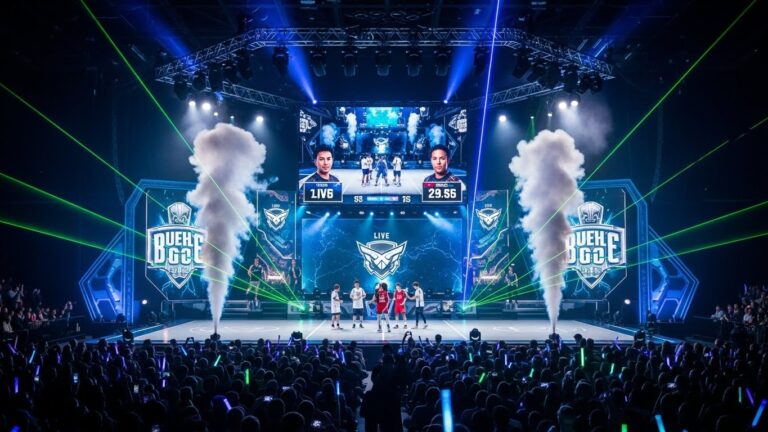
Esports has become a major economic force, fueling growth across multiple sectors. Revenue comes from sponsorships, merchandise, media rights, advertising, and ticket sales. Events draw huge crowds, staffing requires hundreds of professionals, and production teams bring tournaments to life with impressive digital and physical setups.
Game developers, hardware companies, retailers, and media organizations all benefit from the esports boom. Startups emerge regularly, offering new services and technologies tailored to competitive gaming. The global economic footprint of esports continues to expand each year, proving its longevity as a mainstream industry.
Challenges Facing the Esports Industry
Despite its impressive growth, esports faces several challenges. The fast-paced nature of the industry requires constant adaptation. Issues such as player burnout, competitive integrity, online toxicity, and regulation inconsistencies must be addressed.
Additionally, maintaining sustainable business models for teams and organizations is crucial. As the industry matures, standards for player welfare, contracts, and tournament organization will improve, strengthening esports for future generations.
The Future of Esports
The future of esports is full of exciting possibilities. Advancements in technology such as virtual reality, augmented reality, and artificial intelligence will revolutionize gameplay, training, and fan engagement. Mobile esports will expand even more, reaching global audiences in regions where traditional gaming equipment is less accessible.
Esports may also gain greater recognition in traditional sporting events and educational programs. With continued growth in audience size, investment, and cultural influence, esports will remain at the cutting edge of modern entertainment.
Conclusion: Esports as a Global Cultural Movement
Esports has reshaped how we define competition, entertainment, and community. It has bridged digital and physical worlds, brought together diverse audiences, and created opportunities for players and professionals worldwide. What once seemed like a hobby has transformed into a global cultural movement that continues to grow, innovate, and inspire.
Esports is not just about winning or losing. It is about passion, strategy, teamwork, creativity, and the thrill of pushing human potential in a digital arena. As technology evolves and audiences expand, esports will continue to stand as a dominant force in modern culture, defining a new era of competitive entertainment.