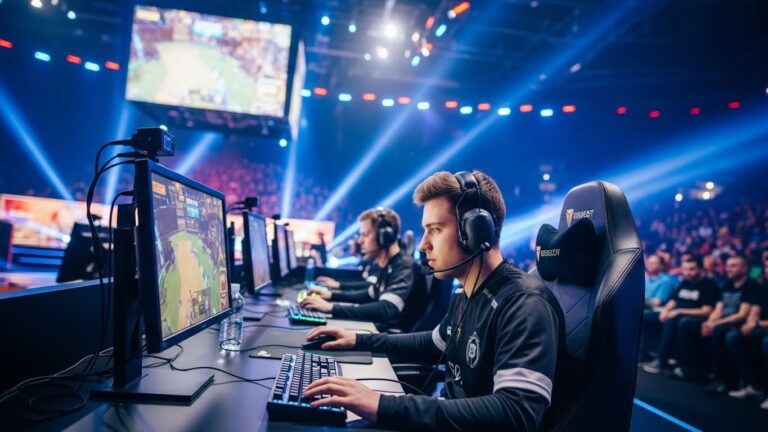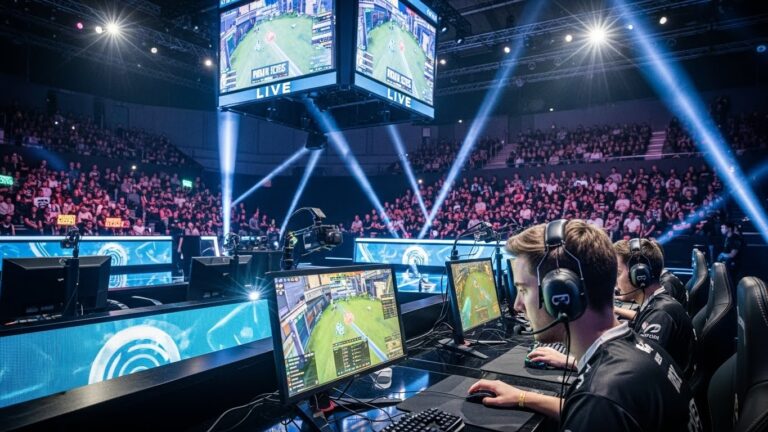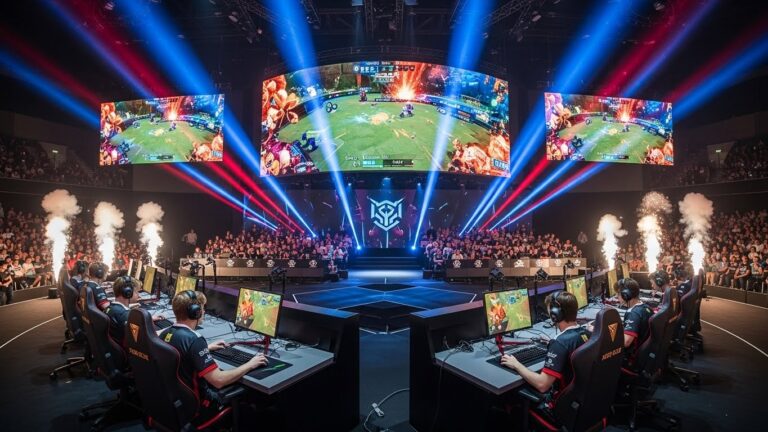




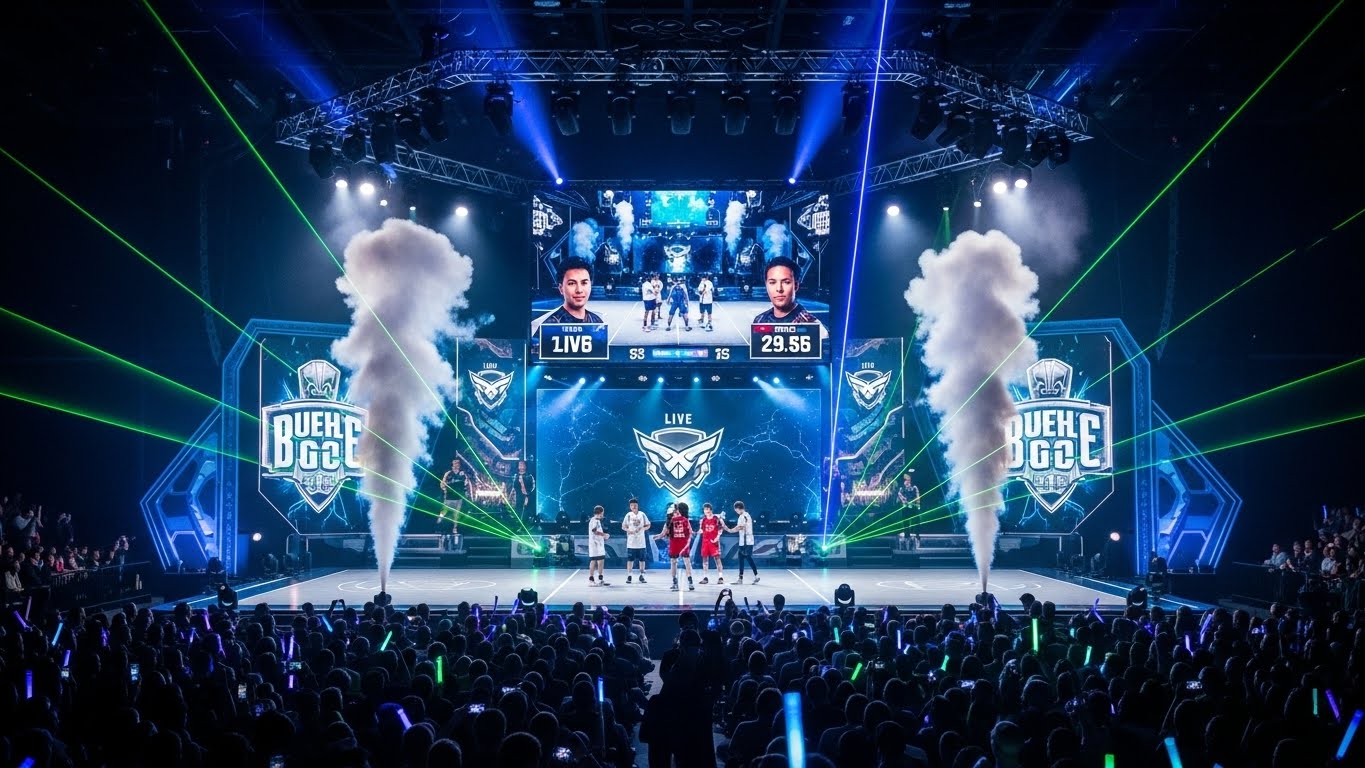
Esports, or electronic sports, has grown from a niche hobby into a global phenomenon that rivals traditional sports in both viewership and financial influence. With professional players, international tournaments, and massive fan bases, esports has transformed gaming from a pastime into a legitimate competitive industry. In this blog, we’ll explore the history of esports, its cultural significance, the business dynamics, challenges it faces, and what the future might hold.
The Evolution of Competitive Gaming
Competitive gaming is not a modern invention. Its roots trace back to the 1970s when the earliest video game competitions began. One of the first documented contests occurred in 1972 at Stanford University, where players competed in the game “Spacewar.” By the 1980s, arcade tournaments became popular, with games like “Pac-Man” and “Donkey Kong” capturing the public’s imagination.
However, esports truly began to take shape in the late 1990s and early 2000s with the rise of real-time strategy and first-person shooter games, such as “StarCraft” and “Counter-Strike.” South Korea became a hub for professional gaming, broadcasting competitions on television and cultivating a culture that treated gamers as professional athletes. This era laid the foundation for the esports industry we know today, creating a structured competitive environment with leagues, teams, and sponsors.
The Esports Ecosystem: Players, Teams, and Fans
At the heart of esports are the players. Professional gamers dedicate hours each day to training, studying opponents, and perfecting strategies. Unlike casual gaming, esports requires a combination of reflexes, tactical thinking, and teamwork. Top-tier players often sign contracts with professional teams, which provide salaries, coaching, and support similar to traditional sports franchises.
Teams like Cloud9, T1, and Fnatic have become household names within the gaming community. These organizations compete in major tournaments, secure sponsorship deals, and even develop merchandising for fans. The fan culture in esports is vibrant and interactive. Fans follow their favorite players and teams across social media platforms, attend live events, and participate in online discussions. This level of engagement creates a sense of community that drives the popularity of esports worldwide.
Major Esports Titles and Their Influence
Certain games have played a pivotal role in shaping the esports landscape. Multiplayer online battle arena (MOBA) games like “League of Legends” and “Dota 2” have built massive competitive scenes with multi-million-dollar prize pools. Similarly, first-person shooters such as “Call of Duty” and “Counter-Strike: Global Offensive” have cultivated highly skilled player bases and professional leagues.
Battle royale games like “Fortnite” and “PUBG” introduced a more casual, spectator-friendly approach to esports, attracting younger audiences. Sports simulation games, including “FIFA” and “NBA 2K,” blur the line between virtual and real-world sports, allowing fans to engage with familiar franchises in competitive settings. Each of these games contributes to esports’ overall diversity and demonstrates the industry’s ability to appeal to a broad range of players and viewers.
The Economics of Esports
Esports has evolved into a multi-billion-dollar industry, attracting investments from major corporations, streaming platforms, and media companies. Revenue in esports primarily comes from sponsorships, advertising, tournament prize pools, merchandise, and media rights. Major brands like Nike, Coca-Cola, and Intel have sponsored teams and events, recognizing the potential of esports to reach younger, digitally engaged audiences.
Streaming platforms, particularly Twitch and YouTube Gaming, have played a crucial role in monetizing esports. Live broadcasts of tournaments attract millions of viewers, generating ad revenue and subscription income. Tournament organizers, meanwhile, create multi-day events with significant production value, resembling traditional sports spectacles. This economic ecosystem not only supports professional players but also fuels the growth of related industries, including coaching, content creation, and game development.
Esports as a Cultural Phenomenon
Esports is more than a competitive activity; it has become a cultural movement. Gaming conventions, fan meetups, and online communities foster social interaction and creativity. Cosplay, fan art, and live streaming have all emerged as integral components of esports culture.
Moreover, esports has challenged traditional perceptions of sports and athletes. Professional gamers are now recognized for their dedication, skill, and discipline. Universities have even begun offering scholarships for esports athletes, legitimizing gaming as a viable career path. This cultural shift demonstrates the broader societal acceptance of gaming as an influential and respected pursuit.
Challenges Facing the Esports Industry
Despite its rapid growth, esports faces several challenges. One major issue is player burnout. The intense training schedules, travel demands, and constant online exposure can take a toll on mental and physical health. Organizations are beginning to address this by implementing wellness programs, coaching support, and structured training regimens.
Another challenge is regulation. Unlike traditional sports, esports lacks a unified governing body. This can lead to inconsistencies in rules, tournament management, and player contracts. Fraud, cheating, and match-fixing are concerns that require more robust oversight. Additionally, the industry must contend with issues of inclusivity, diversity, and toxicity within gaming communities, which can affect the reputation and long-term sustainability of esports.
The Role of Technology in Shaping Esports
Technology has been central to the rise of esports. High-speed internet, powerful gaming hardware, and streaming platforms have enabled global competition and audience engagement. Virtual reality and augmented reality technologies are poised to further transform esports, creating immersive experiences for both players and viewers.
Artificial intelligence and data analytics also play a growing role in training and strategy. Teams analyze in-game data to optimize performance, anticipate opponents’ moves, and refine tactics. This integration of technology demonstrates how esports sits at the intersection of entertainment, innovation, and competitive skill, making it a uniquely modern form of sport.
Esports in Education and Career Opportunities
The expansion of esports has opened new opportunities in education and careers. Many universities now offer dedicated esports programs, ranging from competitive teams to courses in game design, marketing, and event management. These programs prepare students for careers in a rapidly growing industry, from professional play to content creation and business development.
Beyond direct involvement in gaming, esports has influenced traditional industries. Marketing professionals, event organizers, broadcasters, and software engineers all find opportunities within the esports ecosystem. This diversification highlights the industry’s resilience and potential for sustainable growth, offering pathways for those interested in combining passion with professional development.
The Global Impact of Esports
Esports has become a global phenomenon, transcending cultural and geographical boundaries. Countries like South Korea, China, and the United States lead in competitive scenes, but nations across Europe, South America, and Southeast Asia are rapidly emerging as esports hubs. International tournaments foster cross-cultural exchange, uniting players and fans from diverse backgrounds.
Furthermore, esports serves as a platform for social impact. Charity tournaments, awareness campaigns, and community-driven initiatives demonstrate how the industry can influence positive change. By leveraging its global reach, esports has the potential to connect people in ways that traditional sports sometimes cannot, emphasizing inclusivity, creativity, and collaboration.
The Future of Esports
The future of esports looks promising, with continued growth expected in viewership, revenue, and cultural influence. Emerging technologies, increased investment, and broader societal acceptance will shape the next phase of the industry. We may see esports integrated into mainstream sports channels, schools, and global entertainment events, further bridging the gap between virtual and real-world competition.
However, the industry must address ongoing challenges to ensure sustainability. Player welfare, regulatory frameworks, and community management will be crucial in maintaining the integrity and appeal of esports. If managed effectively, esports could continue its trajectory as a central component of global entertainment, offering opportunities for players, fans, and businesses alike.
Conclusion
Esports has transformed the way we perceive gaming, competition, and entertainment. From humble beginnings in arcade competitions to a billion-dollar global industry, it has grown into a cultural and economic force with far-reaching influence. The dedication of players, the passion of fans, and the innovation of technology have all contributed to this evolution, making esports a defining feature of modern digital culture.
As esports continues to expand, it promises to redefine the boundaries of sports, entertainment, and education. Its journey reflects not only the growth of gaming but also the power of digital connectivity in bringing people together. For anyone interested in competitive play, technological innovation, or cultural trends, esports offers a vibrant and dynamic space that continues to evolve in exciting ways.