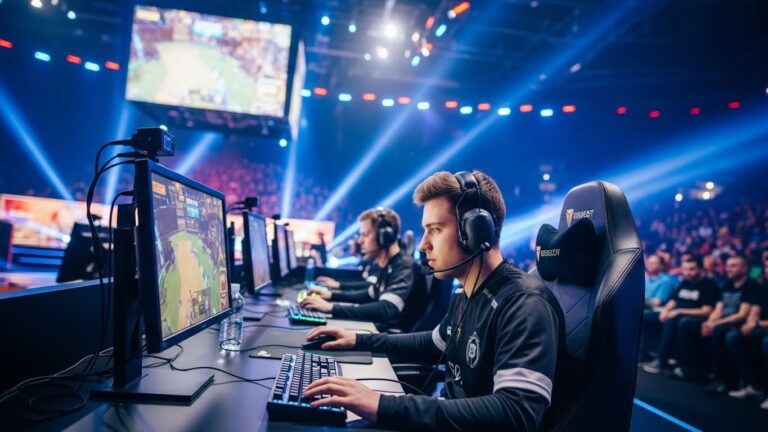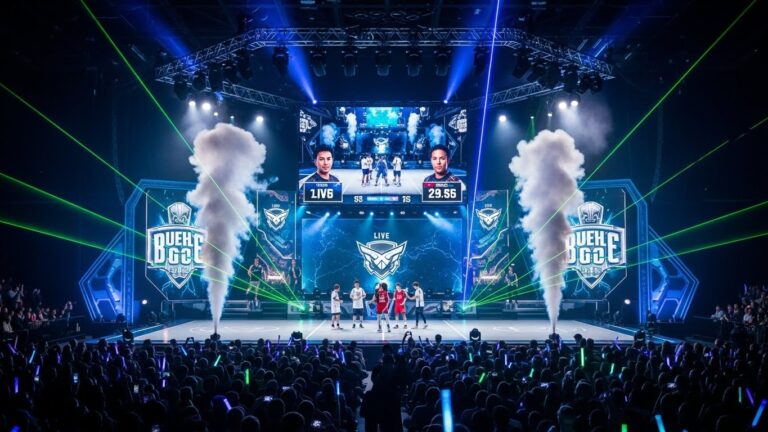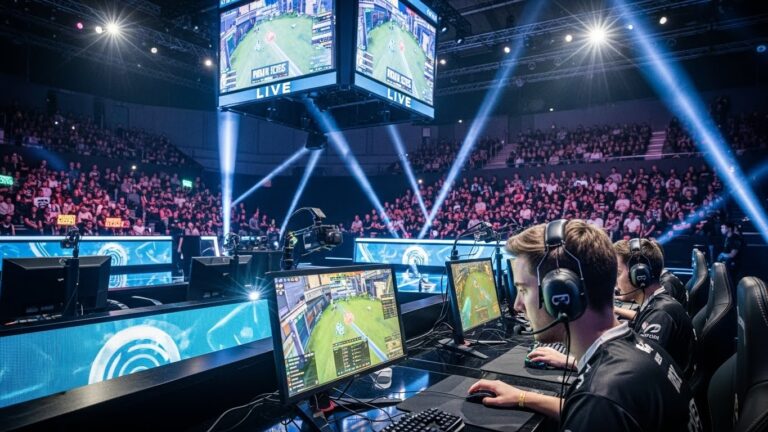




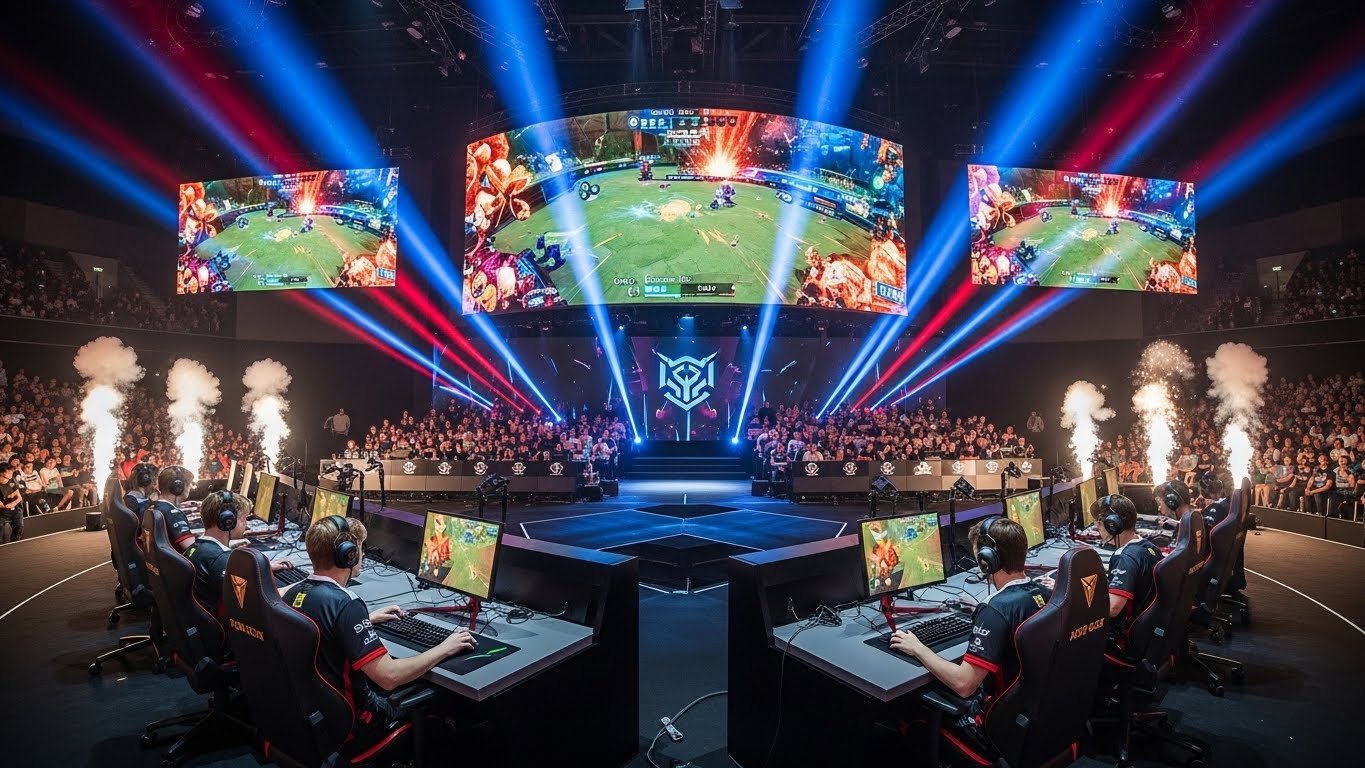
Esports, or electronic sports, has evolved from a niche pastime into a global phenomenon, reshaping the landscape of competitive entertainment. Once dismissed as a hobby for gamers, esports is now a multi-billion-dollar industry, drawing audiences comparable to traditional sports. Its rapid growth has been fueled by technological advancements, cultural shifts, and the sheer entertainment value of watching skilled players compete in virtual arenas. This blog explores the rise of esports, its cultural impact, the business behind it, and what the future may hold.
The Origins of Competitive Gaming
The roots of esports can be traced back to the 1970s and 1980s, when arcade competitions and early video games laid the foundation for competitive gaming. Events like the 1980 Space Invaders Championship in the United States, which attracted thousands of participants, marked one of the first major gaming competitions. During the 1990s, the advent of home consoles and local area networks allowed players to compete in games like Street Fighter and Doom, creating early communities of competitive gamers.
As internet connectivity improved in the 2000s, online multiplayer games such as Counter-Strike, Warcraft III, and StarCraft gained massive popularity, transforming casual gaming into professional competition. South Korea became a global epicenter for esports during this period, establishing professional leagues and televised competitions that showcased gaming as a legitimate career path. These milestones set the stage for the international esports explosion we witness today.
Popular Esports Titles and Genres
Esports is not limited to a single genre; it spans multiple types of games that appeal to diverse audiences. Multiplayer online battle arena (MOBA) games like League of Legends and Dota 2 are among the most popular esports genres. These games emphasize team coordination, strategy, and quick reflexes, making them both thrilling to play and captivating to watch. MOBAs have professional leagues, massive prize pools, and global tournaments that draw millions of viewers.
First-person shooters (FPS) such as Counter-Strike: Global Offensive and Call of Duty focus on individual skill, precision, and rapid decision-making. These games often feature fast-paced action and intense moments, making them perfect for streaming and live competition. Battle royale games like Fortnite and PUBG have also contributed to the esports surge, combining large-scale player environments with tactical gameplay and massive online audiences.
Sports simulation games, such as FIFA and NBA 2K, allow players to recreate real-world sports in digital arenas. While these games may seem more niche compared to MOBAs or FPS titles, they have attracted their own dedicated fanbases and professional leagues, highlighting the diverse appeal of esports across different gaming genres.
The Business of Esports
Esports has rapidly grown into a lucrative industry, with revenue streams spanning sponsorships, media rights, merchandise, and live events. Sponsorship deals are a major contributor to esports revenue, with global brands eager to associate themselves with the gaming community. Companies ranging from energy drink manufacturers to tech giants invest heavily in esports teams, tournaments, and content creators to reach a younger, digitally-savvy audience.
Media rights have also become increasingly important, as streaming platforms like Twitch, YouTube Gaming, and dedicated esports networks provide monetization opportunities. Live streaming allows fans worldwide to watch competitions in real time, creating advertising and subscription revenue streams. Esports organizations often generate income through merchandise sales, offering branded apparel, peripherals, and collectibles to passionate fans.
Major esports tournaments now offer prize pools that rival traditional sports events, sometimes exceeding tens of millions of dollars. Dota 2’s The International, for example, is renowned for its massive prize money, crowdfunded in part by the gaming community. This financial incentive has not only attracted top talent but also increased the overall professionalism of the industry, leading to dedicated training facilities, coaching staff, and strategic management for competitive teams.
The Cultural Impact of Esports
Esports has significantly influenced modern culture, shaping how people consume entertainment, socialize, and pursue careers. Online streaming platforms have turned gamers into influencers, building communities that transcend geographic boundaries. This cultural phenomenon has blurred the lines between athlete, entertainer, and celebrity, as esports stars often boast massive social media followings and sponsorship deals.
Moreover, esports has contributed to the normalization of gaming as a legitimate pastime and professional pursuit. Parents, educators, and employers increasingly recognize that gaming requires strategic thinking, teamwork, and mental agility. Universities have even started offering esports scholarships, academic programs, and dedicated facilities, reflecting a shift in societal perception toward the value of competitive gaming.
Esports also promotes inclusivity and diversity. While traditional sports often have barriers based on physical attributes, esports emphasizes skill, strategy, and dedication, allowing people from various backgrounds to compete on an equal playing field. This inclusivity has helped cultivate a global fanbase, with tournaments broadcast in multiple languages and attracting international audiences.
Challenges Facing the Esports Industry
Despite its explosive growth, esports faces challenges that could impact its long-term sustainability. One major issue is player burnout. Competitive gaming requires intense practice schedules, mental resilience, and constant adaptation to evolving game metas. Professional players often face physical strain, sleep disruption, and stress, highlighting the need for proper support systems and wellness programs within esports organizations.
Another challenge is the lack of standardized regulations. Unlike traditional sports, esports is not governed by a single overarching body. Rules, formats, and tournament structures vary widely between games and regions, sometimes leading to disputes over player eligibility, prize distribution, and cheating. Developing standardized regulations could improve credibility and help esports gain broader recognition as a legitimate sport.
Monetization and economic sustainability are also concerns. While major esports titles generate significant revenue, smaller games and emerging leagues struggle to attract sponsorships and audiences. Ensuring long-term financial viability requires balancing fan engagement, brand partnerships, and competitive integrity without oversaturating the market.
Esports and Technology
Technology is at the heart of esports, enabling both gameplay and global viewership. High-speed internet, advanced graphics, and streaming platforms have transformed how audiences experience competitions. Real-time analytics, player tracking, and in-game statistics enhance spectator engagement, allowing fans to follow strategies, performance metrics, and critical moments in matches.
Virtual reality (VR) and augmented reality (AR) are emerging technologies with potential applications in esports. VR esports could create immersive experiences for both players and spectators, while AR could enhance live events by overlaying game statistics, player bios, and interactive visuals. Additionally, artificial intelligence is being explored to improve training, game balancing, and content creation, further integrating technology into every aspect of esports.
The Global Reach of Esports
Esports is a truly global phenomenon, with major tournaments and leagues held across continents. Asia, particularly South Korea and China, has historically led the esports market, producing professional players, established teams, and a dedicated fanbase. North America and Europe have also seen significant growth, hosting international competitions and developing competitive infrastructures.
International tournaments like the League of Legends World Championship and The International have turned esports into a cultural spectacle, comparable to the World Cup or the Super Bowl. These events bring together players and fans from around the world, fostering cross-cultural interactions and creating shared experiences that transcend language and geography.
The global reach of esports is further amplified by digital accessibility. Fans can watch tournaments on mobile devices, laptops, and smart TVs, enabling real-time engagement regardless of location. Social media platforms and online communities provide spaces for discussion, strategy sharing, and fan-driven content, reinforcing esports as a worldwide cultural force.
The Future of Esports
The future of esports looks promising, with continued growth expected in audience size, revenue, and technological integration. Advancements in cloud gaming could democratize access, allowing players to compete without high-end hardware. Integration with mainstream media, such as television broadcasting and crossovers with traditional sports, may further elevate esports’ cultural prominence.
Education and professional development within esports are also likely to expand. Universities may offer more specialized programs, coaching certifications, and research opportunities focused on competitive gaming. Career paths beyond professional play, including content creation, analytics, event management, and marketing, will continue to diversify the industry and provide sustainable opportunities for aspiring professionals.
Social responsibility will also play a crucial role in shaping esports’ future. Addressing player mental health, promoting inclusivity, and enforcing fair play standards are essential to maintaining the industry’s credibility and long-term appeal. Esports organizations, developers, and stakeholders must collaborate to ensure the industry grows responsibly while preserving the excitement and innovation that define it.
Conclusion
Esports has transcended its origins as a niche hobby to become a global entertainment powerhouse. Its impact on culture, technology, and business is undeniable, creating new career opportunities, fan communities, and economic ecosystems. While challenges such as player burnout, regulation, and sustainability remain, the continued evolution of esports promises a future filled with innovation, inclusivity, and thrilling competition. As audiences continue to embrace competitive gaming, esports is poised not only to redefine how we experience sports and entertainment but also to inspire a new generation of players and fans around the world.