
Introduction: From Basement Battles to Global Arenas
There was a time when video games were seen as nothing more than a hobby — something kids played after school or adults indulged in to escape stress. Fast forward a few decades, and gaming has evolved into a global cultural phenomenon known as Esports. What began as friendly matches between enthusiasts has transformed into a billion-dollar industry that rivals traditional sports in popularity, production, and prestige.
Esports — short for electronic sports — refers to organized, competitive video gaming where professional players or teams compete for prizes, sponsorships, and glory. What makes it fascinating is not just the gameplay, but the ecosystem built around it. Fans watch tournaments in packed arenas and through live broadcasts, commentators break down plays like football analysts, and players become global celebrities.
The story of Esports isn’t just about games; it’s about technology, community, culture, and ambition. To understand how it became one of the most dynamic forces in entertainment, we need to look at where it came from, how it grew, and where it’s headed next.
The Early Days: When Pixels Meant Passion
Esports’ roots can be traced back to the early 1970s. It may surprise many to know that one of the first gaming competitions happened in 1972 at Stanford University, featuring the game “Spacewar.” The prize was a year’s subscription to Rolling Stone magazine. It was small, informal, and modest — but it marked the start of something extraordinary.
The 1980s saw arcade games like Pac-Man and Donkey Kong dominate public spaces. High scores were the earliest form of competitive bragging rights, and magazines even published leaderboards featuring top players. This era built the foundation of competitive spirit among gamers.
By the 1990s, technology had improved, consoles became household staples, and the internet was beginning to connect players across the world. Games like Street Fighter II and Quake set the stage for structured tournaments. LAN parties — where players gathered with their computers to compete on local networks — became legendary events for dedicated gamers.
It was in these gatherings that the Esports culture began to crystallize: competition, camaraderie, and the thrill of proving skill against real human opponents.
The 2000s: Esports Steps Onto the Global Stage
The early 2000s were transformative. As internet speeds improved, online multiplayer gaming became widespread. Titles like Counter-Strike, Warcraft III, and StarCraft drew massive communities of players and spectators.
South Korea, in particular, played a pivotal role in elevating Esports to mainstream status. The government invested heavily in broadband infrastructure, which fueled an explosion of online gaming culture. Television channels began broadcasting StarCraft matches to millions, turning players into national icons. Names like BoxeR and NaDa became legends, inspiring a generation of professional gamers around the world.
Western countries soon caught up. The emergence of platforms like Twitch and YouTube allowed tournaments to reach global audiences without traditional TV networks. Suddenly, anyone with an internet connection could watch a world-class Esports match from anywhere.
Games such as Halo, Call of Duty, Dota, and League of Legends further expanded the landscape. Each had its own professional leagues, international tournaments, and massive fanbases. Esports was no longer a niche — it was entertainment on a grand scale.
The Business of Esports: Big Money and Bigger Dreams
As audiences grew, so did the money. Brands quickly realized the potential of reaching young, tech-savvy consumers through Esports. Sponsorship deals, merchandise, advertising, and ticket sales poured millions into the ecosystem.
Major companies — from tech giants to energy drink brands — started sponsoring teams, events, and players. Esports organizations became structured businesses, managing rosters, coaches, analysts, and even psychologists. Players were signed under contracts similar to athletes, complete with salaries, performance bonuses, and media appearances.
Tournaments like The International (for Dota 2) and the League of Legends World Championship began offering multi-million-dollar prize pools. In 2019, The International broke records with over $34 million in prizes, largely funded by player contributions. This level of fan involvement showcased how deeply invested the community had become.
The economics of Esports extended beyond competitions. Streaming, content creation, and influencer marketing opened additional revenue streams. Top players earned more from brand deals and live streaming than from their tournament winnings. In many ways, the Esports model mirrored that of modern entertainment — blending sport, media, and celebrity culture into one ecosystem.
The Players: New-Age Athletes of the Digital Arena
Esports professionals might not sprint across fields or lift heavy weights, but their training is no less demanding. Reflexes, precision, focus, and teamwork are honed through relentless hours of practice.
Professional players often train eight to twelve hours a day, analyzing opponents, studying strategies, and scrimmaging in team environments. Just like traditional athletes, they rely on coaches, nutritionists, and mental health professionals to maintain peak performance.
The term “gamer” has evolved. These competitors are disciplined professionals whose careers can be as short as they are intense. Reaction times and hand-eye coordination often decline after a certain age, so many players transition into coaching, commentary, or streaming after retirement.
What makes Esports athletes unique is their accessibility. Fans can interact directly with them on platforms like Twitch or social media, creating a closer connection than most traditional sports can offer. This intimacy has been a driving force behind Esports’ immense popularity among younger audiences.
The Spectacle: How Esports Took Over Entertainment
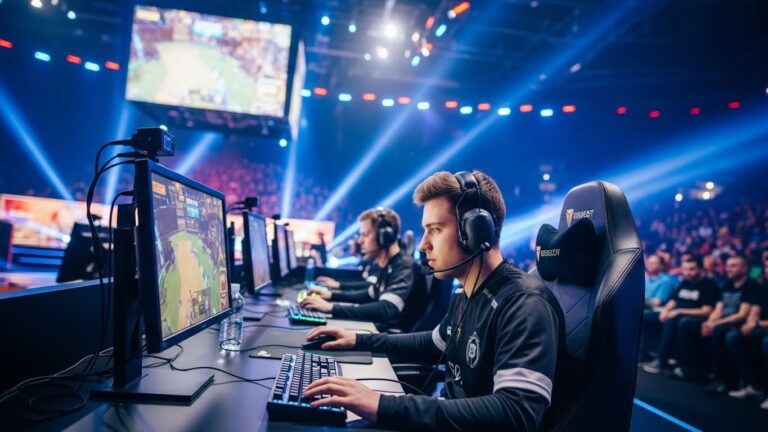
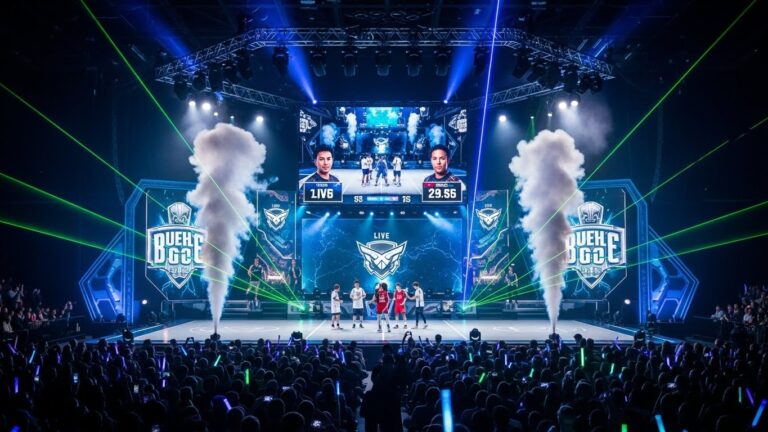
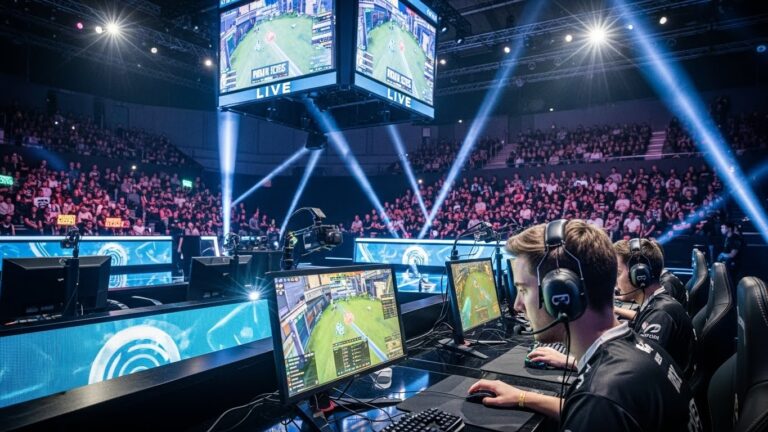
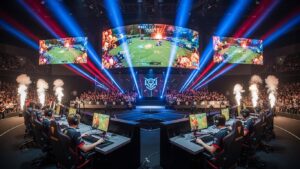
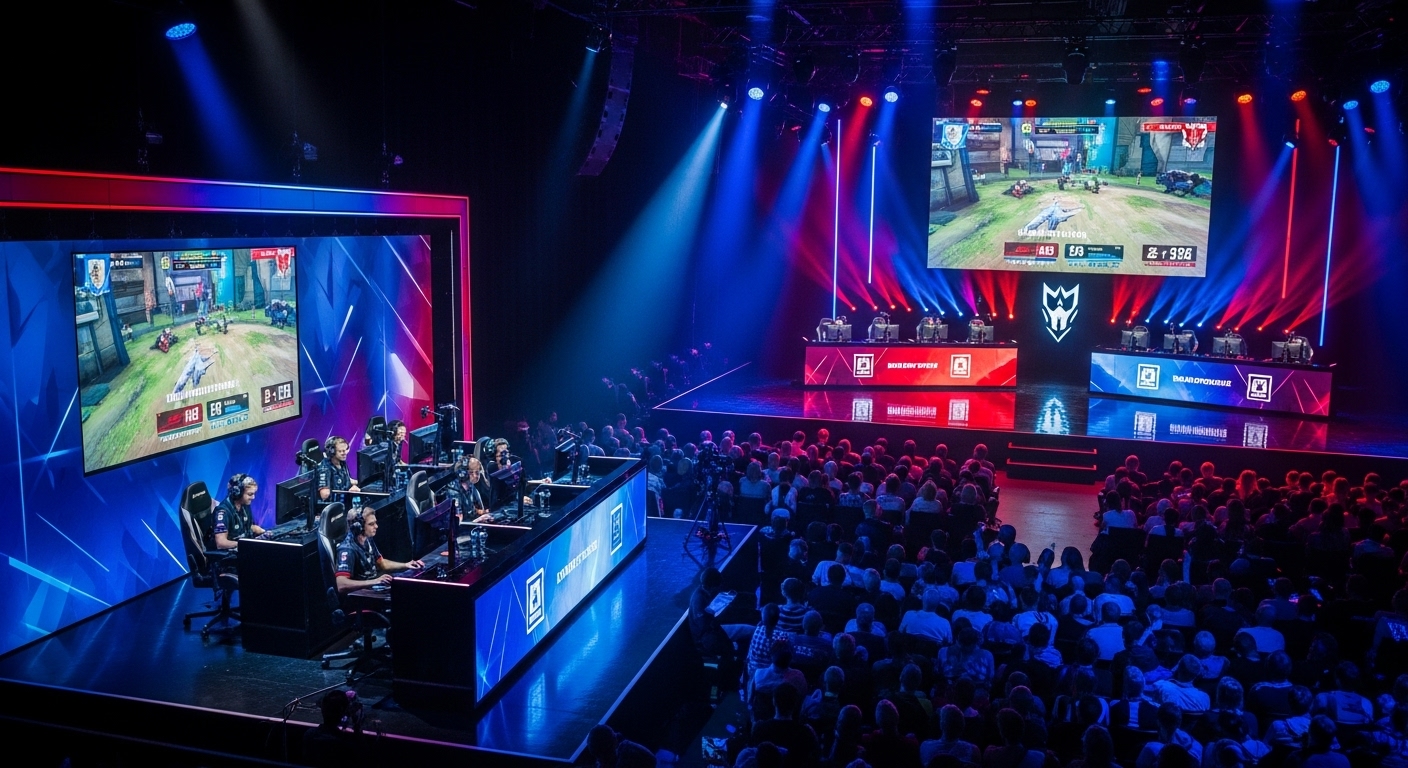
Watching Esports isn’t just about seeing people play games — it’s an experience. Major tournaments take place in sold-out arenas, with pyrotechnics, light shows, and live commentary rivaling the production of major sporting events.
Fans bring signs, wear team jerseys, and chant for their favorite players. The energy in an Esports arena is electric, filled with passion and emotion. Online, millions more tune in via streaming platforms, chatting live as they watch the action unfold in real time.
The viewing experience has evolved with technology. Overlays display live statistics, camera angles switch dynamically, and instant replays capture key moments. It’s a seamless blend of gaming and broadcasting that keeps audiences engaged from start to finish.
Traditional media companies have taken notice. Networks have begun airing Esports events, and universities now offer scholarships for gaming talent. The integration of Esports into mainstream culture is no longer a question — it’s already happening.
The Cultural Shift: Breaking Stereotypes and Building Communities
One of the most remarkable aspects of Esports is how it has reshaped public perception of gaming. Once dismissed as an antisocial pastime, gaming is now celebrated as a legitimate pursuit requiring skill, discipline, and creativity.
Esports communities are diverse, global, and inclusive. Players from different countries, backgrounds, and languages come together through shared passion. While some stereotypes still linger, the growing visibility of professional gamers has helped dismantle outdated ideas about who a “gamer” is.
Women, for instance, are playing a growing role in Esports — both as competitors and content creators. Although the industry still grapples with challenges related to inclusivity and representation, progress continues. Organizations and advocacy groups are pushing for fairer treatment, equal opportunities, and safer online spaces for everyone.
Beyond individual identity, Esports has also built strong local and online communities. Gaming cafes, conventions, and fan meetups create real-world connections, while online platforms foster friendships that span continents. The Esports movement has shown that digital spaces can nurture real human connection and shared purpose.
The Technology Behind the Magic
Esports wouldn’t exist without the rapid advancement of technology. High-speed internet, powerful gaming hardware, and sophisticated software have made real-time global competition possible.
Game developers now design titles specifically for competitive play. They focus on balance, spectator appeal, and replay value. Developers like Riot Games, Valve, and Blizzard actively shape their games around the needs of professional leagues, ensuring fairness and excitement for both players and audiences.
Streaming technology has also been revolutionary. Platforms like Twitch and YouTube Gaming have democratized broadcasting. Anyone can stream, build an audience, and even rise to professional levels through consistent engagement. This has created a new generation of entertainers — gaming influencers who blend skill with personality.
Virtual reality and augmented reality are expected to push Esports into new frontiers. Imagine tournaments where players compete in mixed-reality environments, or where fans can watch matches from a player’s point of view using VR headsets. The possibilities are endless, and the innovation shows no sign of slowing down.
Challenges and Controversies
Despite its success, Esports faces several challenges. One major concern is player burnout. The intense schedule and pressure can lead to exhaustion, anxiety, and even physical health issues. Organizations are increasingly aware of this and are introducing wellness programs to support players’ mental and physical health.
Integrity issues have also surfaced. Match-fixing, cheating, and doping scandals have occasionally tarnished Esports’ image. The industry has responded by establishing governing bodies, anti-cheat technologies, and clear codes of conduct to ensure fair competition.
Another significant debate revolves around regulation and structure. Unlike traditional sports with centralized governing organizations like FIFA or the NBA, Esports is fragmented. Each game has its own publisher, rules, and tournament organizers. This decentralized nature offers flexibility but also creates inconsistency in standards and player rights.
Lastly, accessibility remains a challenge. While Esports is global, not every region enjoys equal infrastructure or investment. Developing countries often struggle with connectivity or lack local support systems for aspiring players. Addressing these gaps will be key to making Esports truly universal.
Esports in Education and Career Development
An unexpected but exciting development is the integration of Esports into education. Many high schools and universities now have Esports programs that teach not just gaming skills, but teamwork, communication, and strategy.
Students can earn scholarships for their gaming abilities, just like traditional athletes. Schools host intercollegiate tournaments, and Esports degrees covering management, marketing, and broadcasting are becoming more common.
This educational embrace signals a broader acceptance of gaming as a legitimate and valuable skill set. Beyond playing, Esports opens doors to careers in event management, game design, journalism, production, and data analytics. It’s an ecosystem filled with opportunities for both players and professionals behind the scenes.
The Global Impact: More Than Just Games
Esports is more than entertainment — it’s an industry influencing culture, economy, and technology. Global tournaments attract tourism, local businesses thrive around events, and millions of viewers contribute to digital economies.
It has also become a tool for diplomacy and social change. International competitions foster friendly rivalry between countries, encouraging cross-cultural exchange. Non-profit organizations have used gaming to raise funds for causes, showing that play can have a purpose beyond competition.
Esports is also redefining how younger generations view success. It’s proof that passion for something unconventional — like gaming — can lead to real careers and recognition. For many, Esports represents freedom from traditional expectations and a path to expressing creativity and skill in new ways.
The Future: What Lies Ahead for Esports
Looking ahead, the future of Esports appears both thrilling and challenging. As technology continues to evolve, new genres, devices, and experiences will reshape how competitions are played and watched.
Mobile Esports, for instance, has exploded in popularity, especially in Asia and South America. Games like PUBG Mobile and Mobile Legends have shown that high-level competition isn’t limited to PCs or consoles. This accessibility is helping bring Esports to millions more players worldwide.
The metaverse — though still in development — could redefine Esports as an immersive, interactive environment where players and fans share the same virtual space. Artificial intelligence and machine learning will likely enhance game design, coaching tools, and viewer experiences.
However, the industry will need to address sustainability. Ensuring player welfare, balancing commercialization with authenticity, and maintaining fair competition will be vital for long-term success. Esports isn’t just about playing games — it’s about building a lasting culture around them.
Conclusion: The Game That Never Ends
From small gatherings in the 1970s to packed arenas and global broadcasts, Esports has come a long way. It’s not just a pastime anymore; it’s a professional pursuit, a cultural movement, and a global business.
What makes Esports truly special is its community — millions of people united by passion, creativity, and competition. It celebrates skill, teamwork, and perseverance in ways that resonate with the digital generation.
As technology advances and new players rise, Esports will continue to evolve. But one thing is certain: the spirit of competition that started it all will remain. The world of Esports isn’t slowing down; it’s leveling up.