



Introduction
Esports, short for electronic sports, has transformed the way people view gaming. Once considered a simple hobby, it has now become a global industry that brings together millions of players and fans. From professional tournaments to university-level competitions, esports has established itself as a serious form of entertainment and competition in today’s digital era.
The Evolution of Esports
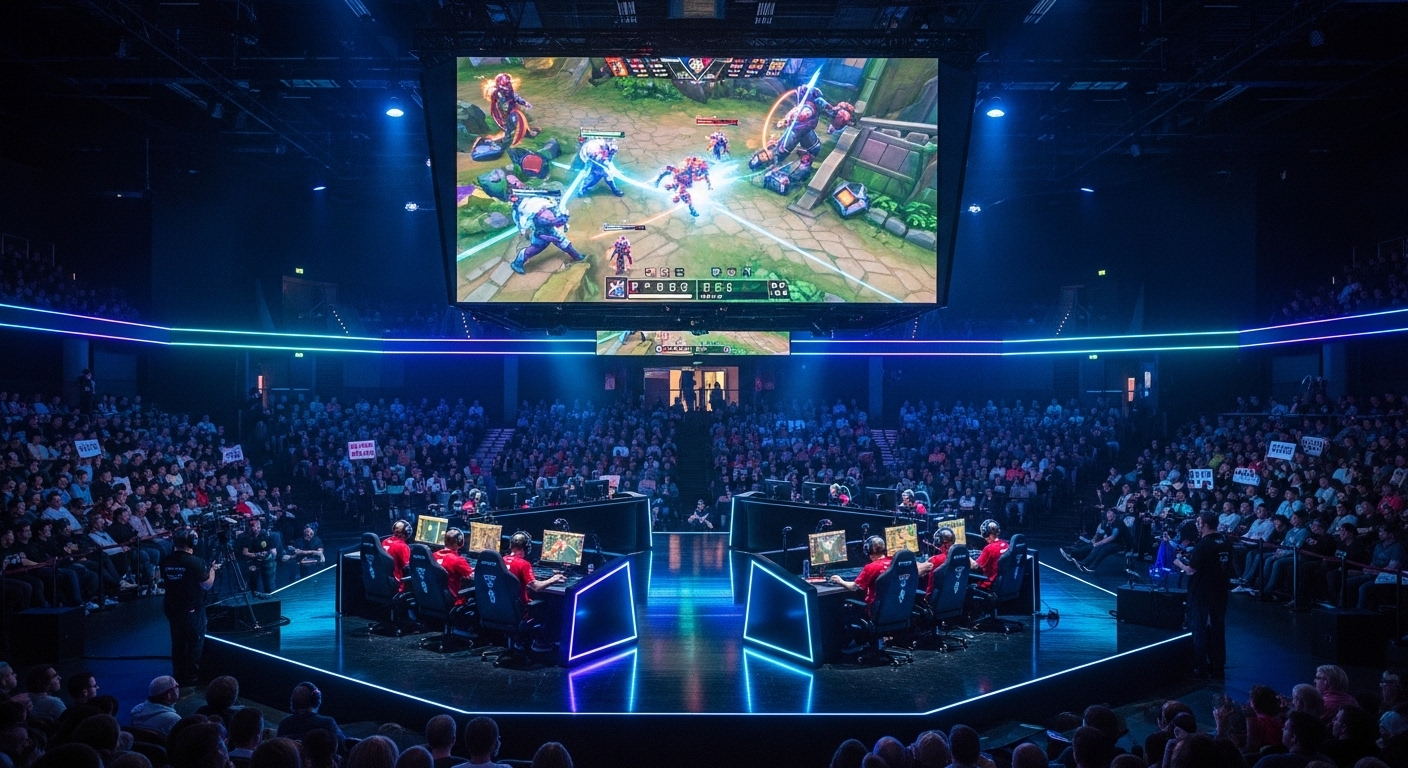
The journey of esports began with small local gaming events where players gathered to test their skills. As technology improved and internet access expanded, these small competitions evolved into global tournaments with massive prize pools. Today, games like League of Legends, Counter-Strike, and Dota 2 attract millions of viewers from around the world, proving that esports is more than just gaming—it is a movement.
The Life of a Professional Gamer
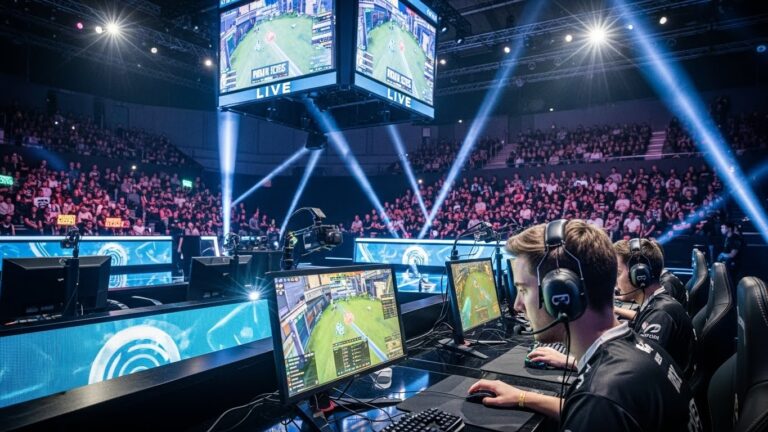
Behind every esports success story lies dedication, discipline, and endless hours of practice. Professional gamers train daily to master game mechanics, analyze strategies, and improve teamwork. Just like traditional athletes, they maintain both mental and physical fitness to perform at their best. Esports players follow strict routines that include training sessions, reviewing gameplay, and staying updated with new tactics.
The Global Reach of Esports
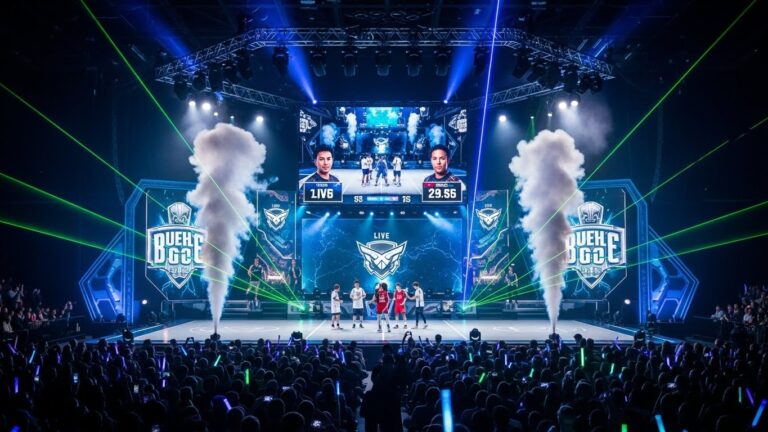
Esports has no boundaries. It connects people across continents, languages, and cultures. International tournaments bring together the best players from every region, creating a sense of unity among fans. Whether it is an arena packed with cheering supporters or millions watching online, esports events showcase the power of digital entertainment to unite the world.
The Economic Impact
The esports industry has become a major player in the global economy. With sponsorships, merchandise, media rights, and advertisements, it generates billions of dollars each year. Major brands and investors see esports as a powerful platform to reach younger audiences. The industry’s growth has also created numerous career opportunities, from event management to broadcasting and marketing.
Technology Powering Esports
Technology is the foundation of esports. High-performance computers, gaming consoles, and streaming platforms have made it easier for players to compete and for fans to watch from anywhere. Innovations in virtual reality, augmented reality, and artificial intelligence are expected to take esports experiences to a whole new level, making the future even more exciting for both players and audiences.
Education and Career Opportunities
Esports is not only about playing games; it is also shaping education and career paths. Many schools and universities now offer esports scholarships and degree programs in game design, event management, and digital media. Young people are learning teamwork, leadership, and problem-solving skills that are valuable in any profession. The esports ecosystem provides diverse roles beyond gaming, such as coaching, content creation, and marketing.
The Future of Esports
The future of esports looks brighter than ever. As technology continues to advance, new gaming experiences and platforms will emerge. Esports will become even more mainstream, potentially being included in major global sporting events. With its growing popularity and influence, esports is set to redefine the meaning of sports in the digital world.
Conclusion
Esports is more than just a game—it is a revolution in the world of entertainment, technology, and culture. It has created opportunities for players, professionals, and fans across the globe. As it continues to grow, esports will remain a symbol of innovation, teamwork, and digital excellence in the modern age.