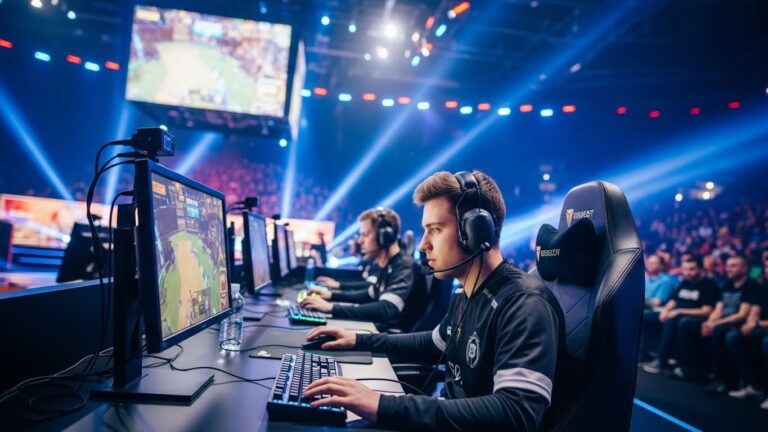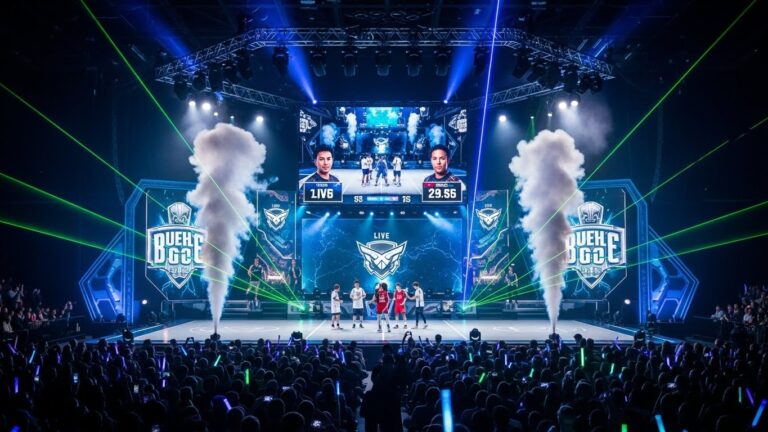




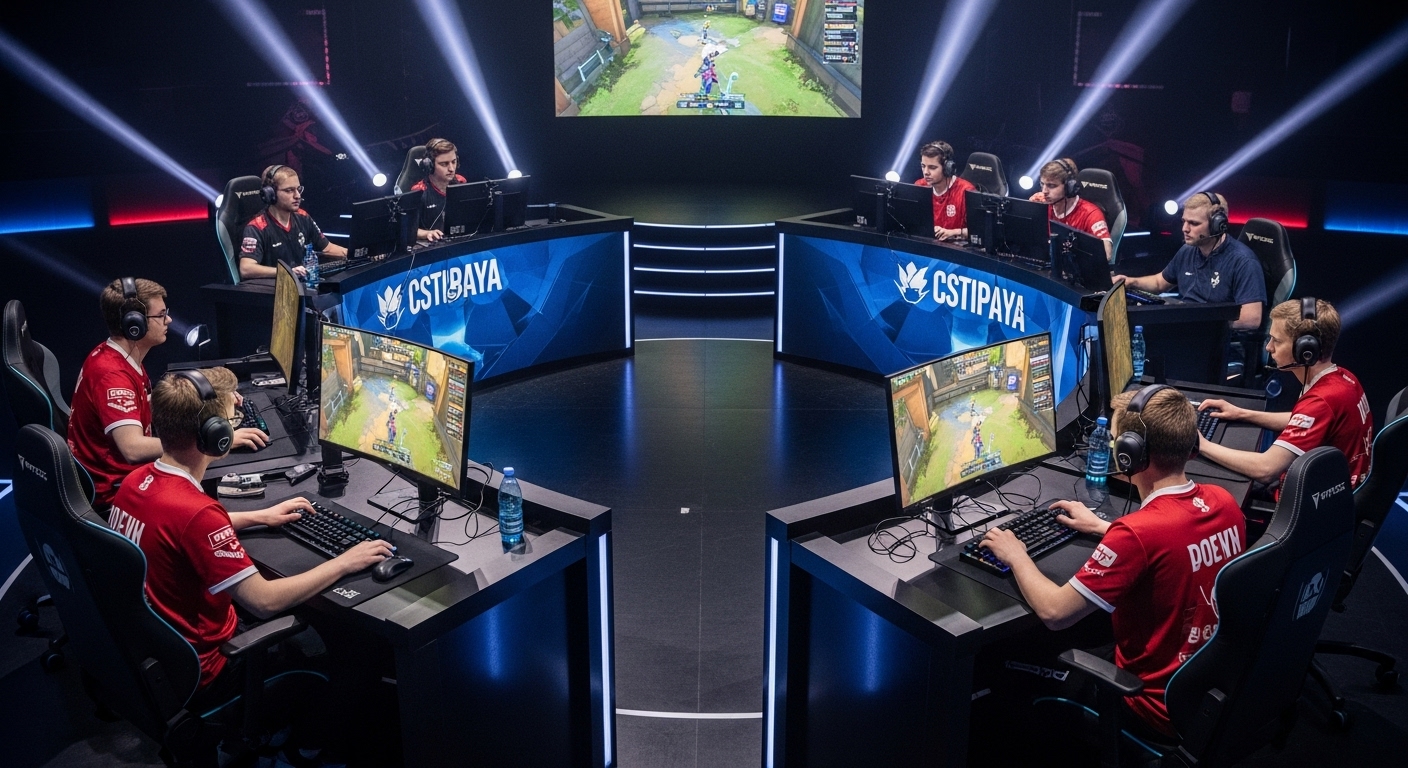
eSports has evolved from a casual hobby into a professional, global phenomenon that captivates millions of players and fans worldwide. With high-stakes tournaments, professional teams, and a rapidly growing audience, competitive gaming is redefining entertainment, sports, and digital culture.
The Evolution of eSports
The origins of eSports trace back to small gaming competitions and arcade tournaments, where players tested their skills for fun and recognition. With advancements in technology and internet connectivity, eSports transformed into an organized and professional industry. Today, competitive gaming spans multiple genres, including first-person shooters, multiplayer online battle arenas, and real-time strategy games. Major tournaments are broadcast globally, making eSports a legitimate and influential part of modern culture.
Professional Players and Teams
Professional eSports players train rigorously, similar to traditional athletes. They practice for hours, study strategies, and collaborate with coaches to improve their performance. Competitive teams often include analysts, managers, and support staff, ensuring optimal teamwork and preparation. The professionalization of eSports has created career opportunities for skilled gamers, offering salaries, sponsorships, and worldwide recognition.
Global Tournaments and Competitive Platforms
eSports tournaments are now massive events attracting millions of viewers both online and in stadiums. Popular competitions feature prize pools reaching millions of dollars, highlighting the economic and cultural significance of the industry. Streaming platforms allow fans to watch live matches, interact with players, and engage with communities, making eSports an interactive and immersive experience for audiences worldwide.
Building Community Through Gaming
One of the most remarkable aspects of eSports is its ability to foster global communities. Players connect through online multiplayer games, share strategies, and form friendships across borders. Fans engage with each other on forums and streaming platforms, discussing gameplay, analyzing matches, and celebrating victories. eSports has transformed gaming into a collaborative and social experience, connecting people with shared passions.
Skills and Educational Benefits
Beyond entertainment, eSports develops valuable skills. Players improve critical thinking, problem-solving, strategic planning, and communication. Team-based games encourage leadership, coordination, and adaptability. Educational institutions are increasingly recognizing eSports as a learning tool, offering programs and scholarships that help students develop both technical and interpersonal skills.
The Future of eSports
The future of eSports is dynamic and full of potential. Emerging technologies like virtual reality and augmented reality promise more immersive competitive experiences. Expanding global audiences and the integration of eSports into mainstream media will continue to grow its influence. As gaming technology evolves, eSports is set to become an even more central part of entertainment, sports, and digital culture worldwide.
Conclusion
eSports has redefined gaming by turning it into a professional, global, and interactive spectacle. It combines strategy, skill, teamwork, and community, offering players and fans unique experiences that go beyond traditional entertainment. With continuous technological innovation and growing global interest, eSports is not just a trend—it is a revolution in how we play, compete, and connect.