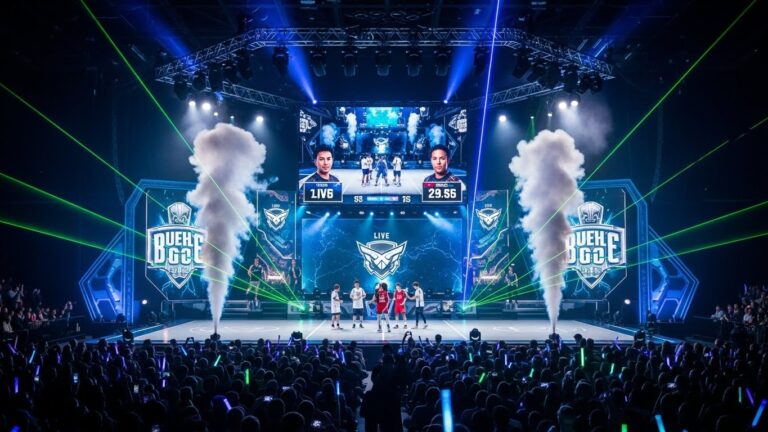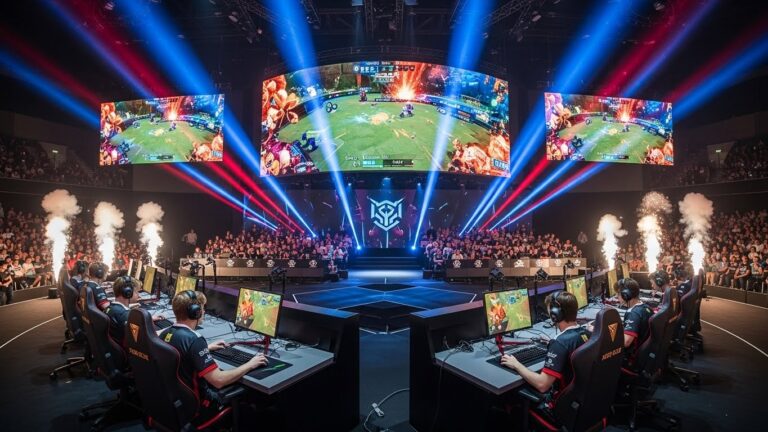




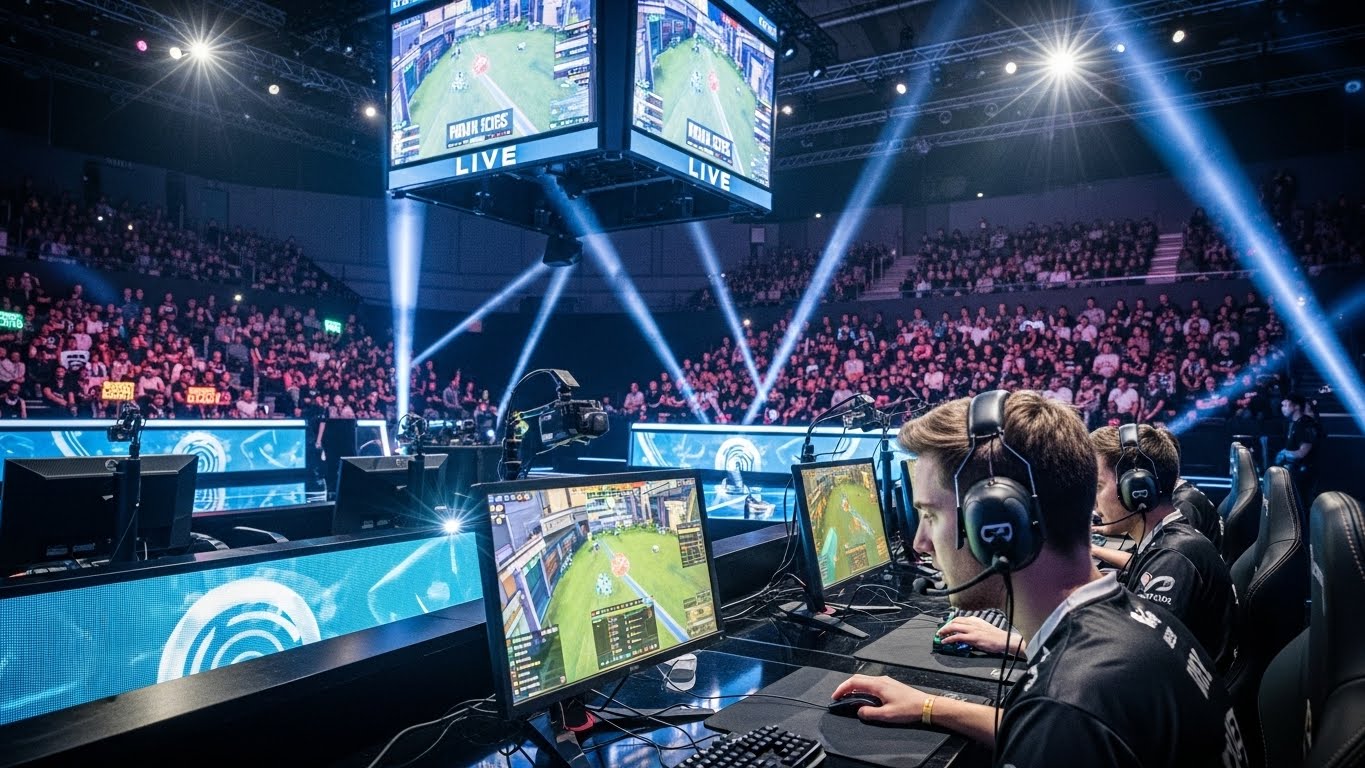
Esports, or competitive video gaming, has transformed from a niche hobby into a global phenomenon. What was once considered a pastime for a few enthusiasts is now a multi-billion-dollar industry that captivates millions of viewers worldwide. From intense multiplayer battles to professional leagues with massive sponsorship deals, esports has redefined how we perceive competition, entertainment, and even career opportunities.
Understanding Esports
At its core, esports involves organized, competitive gaming, often between professional players or teams. These competitions can range from small local tournaments to large-scale international championships. Unlike casual gaming, esports requires strategic thinking, teamwork, lightning-fast reflexes, and the ability to perform under pressure. Popular games in the esports world include League of Legends, Dota 2, Counter-Strike: Global Offensive, Fortnite, and Call of Duty. Each game has its own community, competitive structure, and set of rules that govern tournaments.
Esports is not limited to any particular genre; it spans real-time strategy, first-person shooters, battle royale, sports simulations, and fighting games. This diversity has contributed to its widespread appeal, attracting audiences with varied gaming interests.
The Growth of the Industry
The growth of esports has been nothing short of extraordinary. In the early 2000s, competitive gaming was mostly online, informal, and community-driven. LAN (Local Area Network) tournaments were popular among hardcore gamers but lacked mainstream recognition. Over the past decade, advancements in technology, streaming platforms, and internet accessibility have transformed esports into a professional industry.
Major tournaments now fill stadiums with tens of thousands of spectators and millions of online viewers. For example, the League of Legends World Championship attracts more viewers than many traditional sports finals, reflecting the massive global interest in esports. Streaming platforms like Twitch and YouTube Gaming have made it easier than ever for fans to follow their favorite players and teams, increasing the visibility and popularity of esports worldwide.
Esports as a Career
Professional esports players can earn significant incomes through tournament winnings, sponsorship deals, streaming revenue, and merchandise sales. Some top players earn salaries comparable to athletes in traditional sports, while others leverage their expertise to build personal brands that extend beyond the game itself.
Esports careers are not limited to playing competitively. The industry also includes roles such as coaches, analysts, broadcasters, content creators, event managers, and marketing professionals. This ecosystem supports a wide range of opportunities, demonstrating that esports is a legitimate career path for individuals passionate about gaming.
The Role of Sponsorship and Investment
Sponsorship and investment have played a pivotal role in the growth of esports. Major brands, including technology companies, sportswear manufacturers, and beverage corporations, have recognized the potential of esports to reach a young, tech-savvy audience. Sponsorship deals often include team funding, tournament promotion, and product placements, creating a mutually beneficial relationship between brands and esports organizations.
Investment in esports has expanded beyond sponsorships. Venture capital firms, private investors, and even traditional sports teams are entering the esports market, funding new organizations, infrastructure, and technology. This financial support has allowed esports to professionalize and scale, making it more sustainable and competitive.
The Cultural Impact of Esports
Esports has had a significant cultural impact, particularly among younger generations. It has blurred the line between traditional sports and gaming, creating a new form of entertainment that combines skill, strategy, and storytelling. Esports personalities and teams now enjoy celebrity status, with fan bases that rival those of mainstream athletes.
Moreover, esports has fostered a sense of global community. Gamers from different countries and backgrounds can compete and collaborate in ways that transcend geographical boundaries. This connectivity has created a diverse, inclusive culture where talent and creativity are celebrated, regardless of origin.
Challenges Facing the Esports Industry
Despite its rapid growth, esports faces several challenges. One major concern is the physical and mental well-being of professional players. Long hours of practice, high-pressure competitions, and the sedentary nature of gaming can lead to health issues, including repetitive strain injuries, vision problems, and stress-related conditions. Organizations are increasingly aware of this and are implementing wellness programs and structured schedules to mitigate risks.
Another challenge is regulation. The esports industry operates in a largely unregulated environment, raising questions about fair play, contract disputes, and gambling-related concerns. Establishing standardized rules and governance structures is essential for the long-term credibility and stability of competitive gaming.
Additionally, the perception of esports as a legitimate sport is still evolving. While recognition has improved dramatically, particularly with the inclusion of esports in multi-sport events and university programs, skeptics continue to debate its status alongside traditional athletic competitions.
Technology and Innovation in Esports
Technological advancements have been a driving force behind the evolution of esports. High-speed internet, advanced graphics, and virtual reality have enhanced the gaming experience for both players and viewers. Streaming technology allows millions of fans to watch live competitions in real time, creating interactive experiences that traditional sports often cannot replicate.
Artificial intelligence and data analytics have also found their way into esports. Teams analyze gameplay data to improve strategies, predict opponents’ moves, and optimize performance. This integration of technology not only elevates the level of competition but also provides a richer viewing experience for fans, who can access detailed statistics and insights during matches.
The Future of Esports
The future of esports looks promising, with continued growth expected in viewership, revenue, and global participation. Emerging markets in Asia, Latin America, and the Middle East are driving expansion, while technological innovations like virtual reality, augmented reality, and cloud gaming are poised to transform gameplay and accessibility.
Esports is also increasingly intersecting with education. Many universities now offer esports scholarships, dedicated programs, and research opportunities, recognizing the skills and discipline required to succeed in competitive gaming. This legitimization of esports in academic settings is a strong indicator of its potential for long-term societal impact.
Another key aspect of the future is inclusivity. As esports continues to grow, efforts to ensure gender equality, accessibility, and diversity will become increasingly important. Initiatives to promote women in gaming, accommodate players with disabilities, and create safe online environments are shaping the industry into a more welcoming space for all.
Conclusion
Esports has evolved far beyond the realm of casual gaming to become a global cultural and economic force. With professional players, dedicated teams, massive tournaments, and cutting-edge technology, it has redefined the concept of competition and entertainment. While challenges remain, the industry’s continued growth, innovation, and cultural influence suggest that esports will play a central role in the future of entertainment, sports, and digital culture.
As esports continues to break barriers and attract new audiences, it is clear that competitive gaming is here to stay. Beyond the screen, esports represents the fusion of skill, strategy, technology, and community—an arena where talent knows no boundaries and where the digital age of competition has truly arrived.