



Esports has emerged as one of the fastest-growing sectors in global entertainment, transforming video games from a casual pastime into a competitive, professional, and highly influential industry. What began as small gaming tournaments among local communities has grown into international competitions watched by millions. Esports combines skill, strategy, technology, and teamwork, creating a unique form of entertainment that sits at the crossroads of gaming and traditional sports. This blog explores the rise of esports, its evolution, cultural impact, technological influence, and the bright future that lies ahead.
The Origins of Esports
The concept of competitive gaming dates back several decades. In the early stages of video game history, competitions were held in arcades where players competed for high scores. As home consoles and personal computers became more common, gaming communities began organizing tournaments to determine the best players in specific titles. These early events laid the foundation for esports, although the scale was modest compared to today. The rise of the internet provided the first major shift, enabling players to compete online, form global connections, and participate in multiplayer competitions without geographical barriers. This transition set the stage for esports to become a global phenomenon.
The Evolution into a Global Industry
As technology advanced and online gaming became more sophisticated, competitive gaming gained momentum. Games designed with competitive elements, ranking systems, and team-based objectives created opportunities for structured tournaments. Eventually, professional esports teams formed, supported by managers, coaches, and training systems similar to traditional sports organizations. Major tournaments began offering large prize pools, attracting players worldwide who dedicated themselves to mastering specific games. This professionalization transformed esports from an informal activity into a full-fledged industry. Today, esports is recognized as a global competitive sport with its own rules, regulations, and governing bodies.
Popular Genres That Define Esports
Esports encompasses a wide variety of game genres, each offering unique competitive experiences. Team-based strategy games challenge players to think critically and work together to achieve objectives. First-person shooters test precision, reflexes, and tactical planning. Sports simulation games allow players to replicate real-world athletic competition in a digital environment. Fighting games focus on timing, combinations, and anticipation, often showcasing intense one-on-one battles. Racing games test speed, control, and precision, offering spectators thrilling high-speed action. The diversity of genres ensures that esports appeals to a wide audience and allows players with different skill sets to excel.
The Role of Technology in Esports Growth
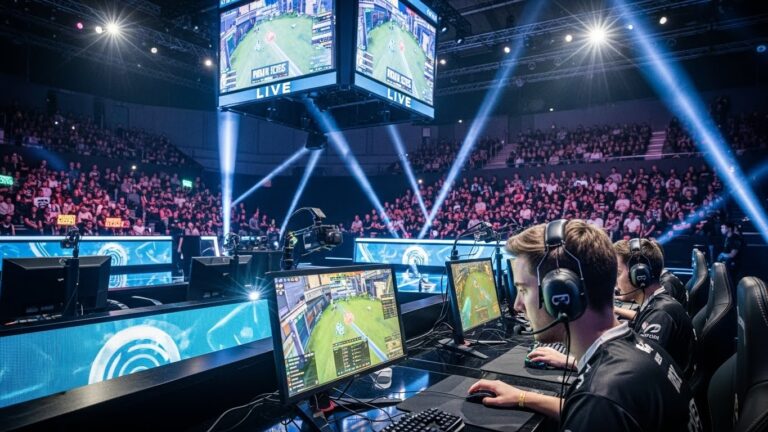
Technology is the driving force behind the success of esports. High-performance gaming hardware, advanced graphics engines, and reliable internet connections enable smooth, immersive gameplay. Streaming platforms have revolutionized how audiences consume esports content, offering live broadcasts, replays, and interactive participation. Spectators can watch their favorite players, learn new strategies, and engage with communities in real time. Additionally, advancements in software and communication tools allow teams to analyze performance, review gameplay footage, and implement strategic improvements. The combination of hardware, software, and global connectivity creates an ecosystem where esports can thrive.
Professional Players and Their Dedication
Esports professionals dedicate countless hours to mastering their craft. Just like traditional athletes, they undergo rigorous training, studying game mechanics, refining strategies, and practicing teamwork. Their schedules often include scrimmages, coaching sessions, and individual skill drills. Mental strength is essential, as players must remain focused under pressure, adapt to rapidly changing scenarios, and maintain composure in high-stakes competitions. Esports professionals are not only skilled players but also public figures who engage with fans, represent brands, and contribute to the growth of the gaming community. Their discipline and passion highlight the seriousness and professionalism of the industry.
The Spectator Experience
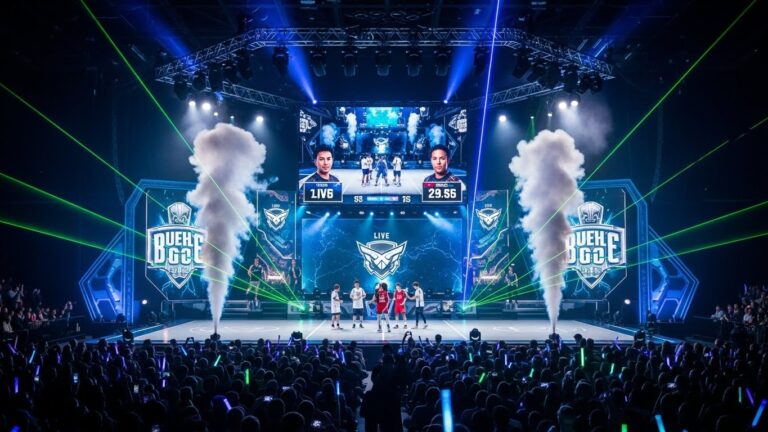
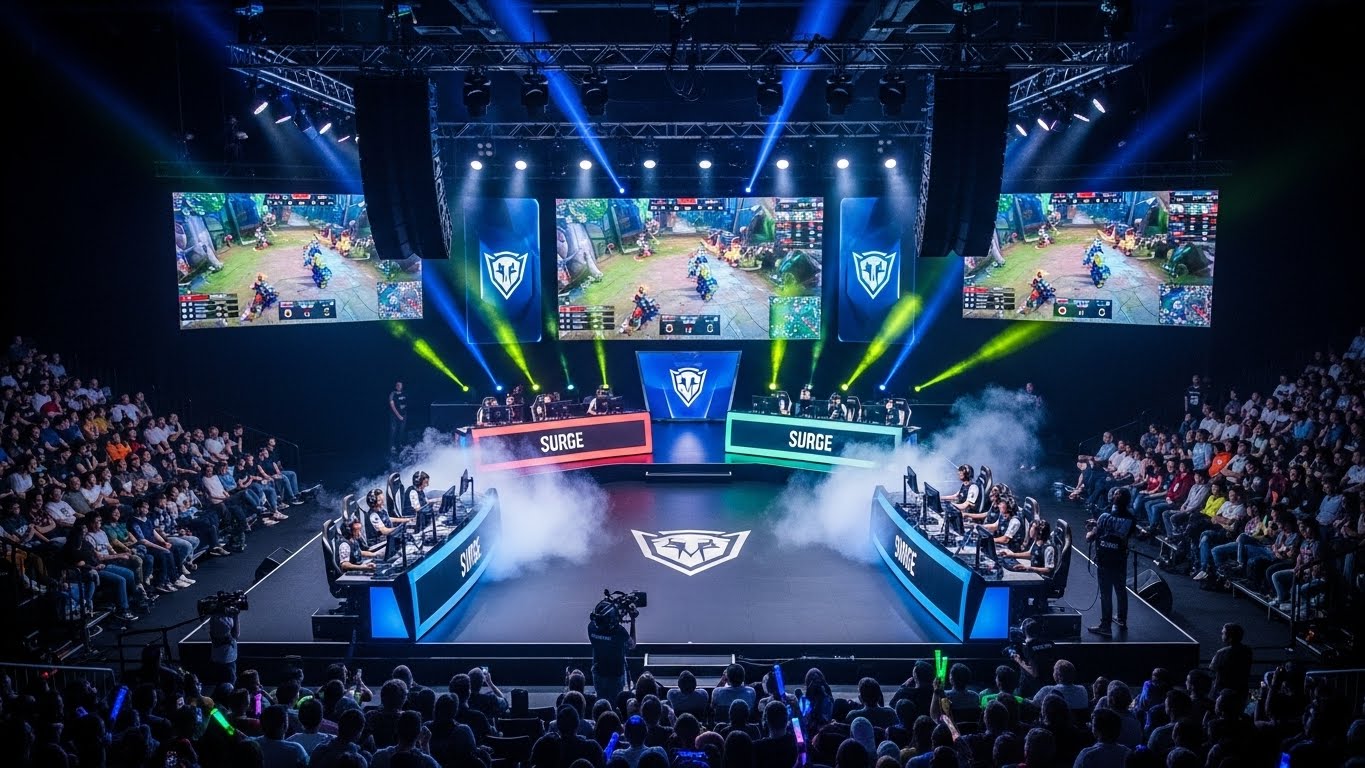
One of the most remarkable aspects of esports is the spectator experience it offers. Whether watching from home or attending live events, fans enjoy high-energy performances, expert commentary, and nail-biting competition. Live tournaments often take place in large arenas filled with enthusiastic fans who cheer for their favorite teams. The atmosphere can rival that of traditional sporting events, with dramatic lighting, massive screens, and immersive sound design that makes every moment feel intense. Esports commentators and analysts play a vital role in guiding viewers through matches, explaining tactics, and building excitement. This dynamic presentation makes esports accessible and thrilling for both casual viewers and dedicated fans.
The Cultural Impact of Esports
Esports has become a cultural force that influences fashion, music, entertainment, and lifestyle trends. Gaming culture has grown into a global movement, with esports players becoming celebrity figures who inspire younger generations. Esports has also contributed to the acceptance of gaming as a legitimate hobby and profession, breaking outdated stereotypes and promoting the value of digital skills. Schools, universities, and training centers now offer esports programs, scholarships, and specialized courses. This integration into educational systems reflects the broader acceptance of gaming as an important cultural and technological phenomenon.
The Business Behind Esports
Esports is not only a competitive sport but also a thriving business. Revenue streams include sponsorships, advertising, merchandise sales, ticket sales, team branding, and media rights. Companies from various industries partner with esports organizations to reach younger audiences and promote their brands. The economic impact extends to game developers, event organizers, production teams, content creators, and technology companies. The business ecosystem supports job creation and innovation, further solidifying esports as a major sector in the global economy.
The Role of Communities in Esports Growth
Gaming communities play a crucial role in the growth of esports. Fans support teams, participate in forums, create content, and share strategies. These communities foster a sense of belonging and engagement that keeps the industry vibrant. Local gaming clubs and online groups allow newcomers to participate and develop their skills, contributing to a steady influx of new players. The social aspect of esports creates friendships, teamwork, and shared experiences that enhance the appeal and longevity of the industry.
The Educational and Cognitive Benefits of Esports
While often viewed solely as entertainment, esports provides several educational and cognitive benefits. Players develop skills such as strategic thinking, problem-solving, communication, and multitasking. Team-based games encourage collaboration, leadership, and adaptability. Competitive gaming improves reflexes, attention, and decision-making speed. These skills are transferable to real-life scenarios, making esports a valuable activity for personal development. Many educational institutions now recognize the benefits of esports and incorporate gaming clubs, coaching, and academic programs into their offerings.
Challenges Faced by the Esports Industry
Despite its success, esports faces several challenges. Maintaining player health and well-being is a significant concern, as long hours of practice can lead to physical and mental strain. Ensuring fair play and preventing cheating requires ongoing effort from developers and tournament organizers. The rapid growth of the industry also demands careful regulation, ethical management, and responsible business practices. Additionally, the global nature of esports introduces cultural and logistical challenges that require thoughtful solutions. Addressing these issues is essential for the sustainable growth of the industry.
The Bright Future of Esports
The future of esports is incredibly promising. Technological advancements such as virtual reality, augmented reality, and artificial intelligence will create new forms of competitive gaming. Cross-platform play will enable even larger player bases, while global tournaments will continue to bring players together across borders. Educational institutions, governments, and major corporations are increasingly recognizing the value of esports, supporting its development and integration into various sectors. The potential for growth is limitless, and esports will continue to shape the future of entertainment, technology, and digital culture.
Conclusion
Esports has transformed the world of gaming into a dynamic, competitive, and globally influential industry. It combines innovation, skill, community, and entertainment in a way that appeals to millions around the world. With its rich history, rapid evolution, and promising future, esports stands as a defining force in modern culture. Whether through professional competitions, community engagement, technological advancements, or cultural impact, esports continues to reshape how people play, learn, communicate, and connect. As the industry evolves, esports will remain at the forefront of digital entertainment, inspiring new generations of players and fans.