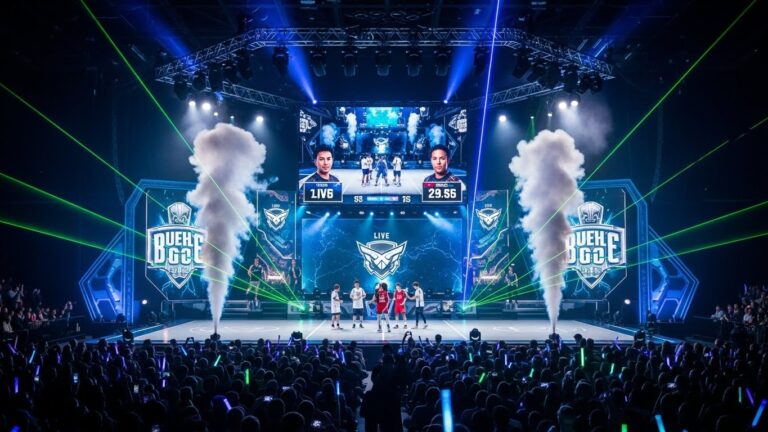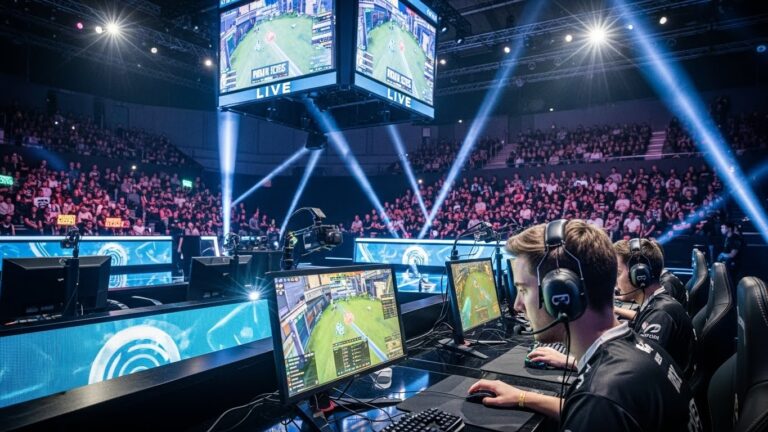




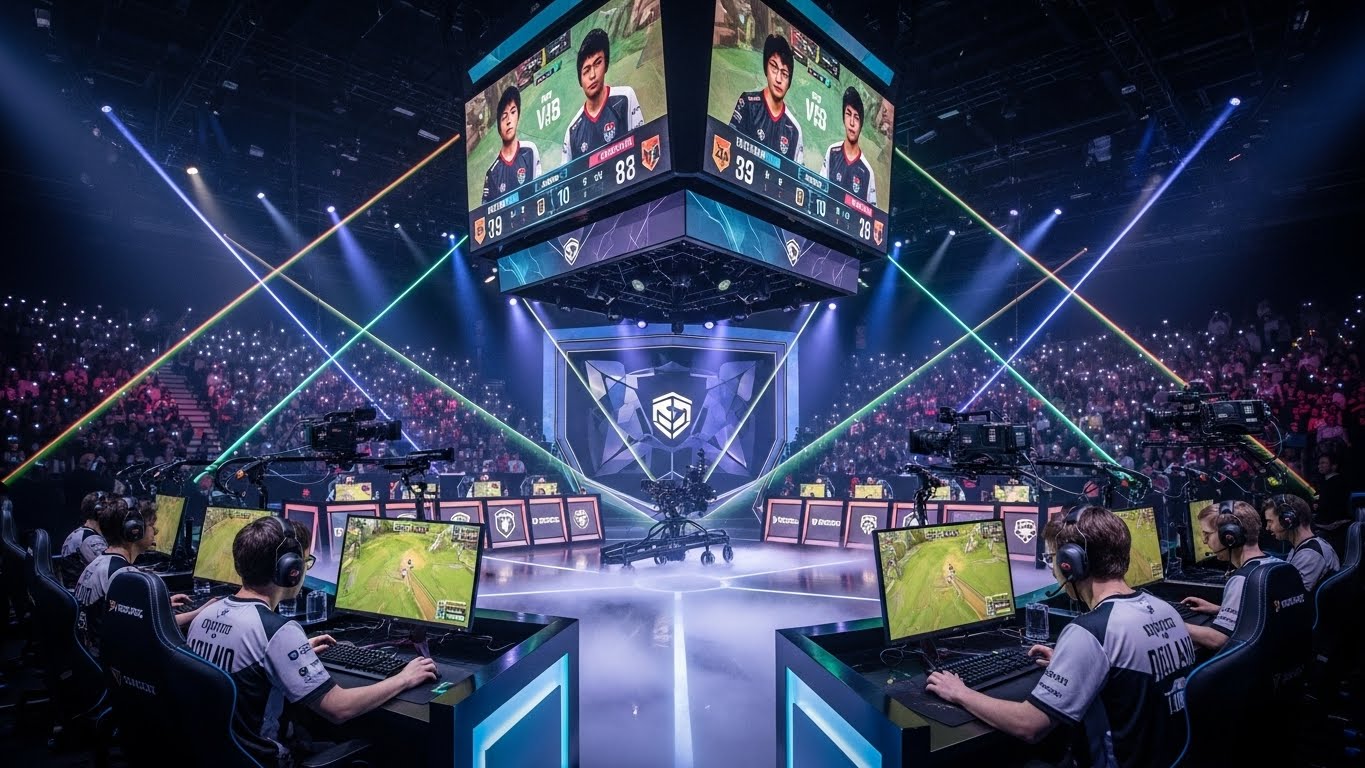
Esports, once a niche hobby for a select group of gamers, has rapidly transformed into a global phenomenon that captivates millions of fans worldwide. With major tournaments, massive prize pools, and a growing ecosystem that includes sponsorships, streaming platforms, and dedicated careers, esports has firmly established itself as a legitimate and sustainable form of entertainment. In this blog post, we will explore the evolution of esports, the driving forces behind its rapid growth, and what the future holds for competitive gaming.
The Birth of Esports: A Grassroots Movement
The origins of esports can be traced back to the early 1990s when video game competitions first began to take shape. The first significant esports tournament was the 1997 Red Annihilation tournament for the popular first-person shooter Quake. The tournament, which was held online, was groundbreaking in that it offered a prize: a Ferrari. This event was a precursor to what would later evolve into the massive esports scene we know today.
In the early days, esports was mostly a hobby for dedicated gamers, often involving local LAN parties or small tournaments. These events were typically grassroots and community-driven, with players competing for fun rather than financial gain. Games like Starcraft, Warcraft III, and Counter-Strike formed the foundation of competitive gaming during this era. While the prize money was minimal, the passion and dedication of the players were immense.
The Rise of Professional Esports: The Turning Point
Esports started to gain serious momentum in the early 2000s with the advent of high-speed internet and the rise of online multiplayer games. The emergence of games such as Warcraft III and Starcraft II attracted professional players and teams who began competing in organized events, often with sponsorships from major brands. This shift marked the transition from casual, community-based competitions to professional-level tournaments.
One of the most significant milestones in the rise of esports was the creation of major tournaments like the World Cyber Games (WCG) and the Electronic Sports World Cup (ESWC). These tournaments attracted global attention and brought esports to the mainstream, with millions of viewers watching online and on television.
The success of these tournaments was not just limited to the players but also to the growing industry surrounding esports. Game developers began to recognize the potential of esports as a marketing tool, leading to increased investment in game design, esports infrastructure, and event management. This resulted in the formation of dedicated esports organizations, teams, and leagues.
The Boom of Esports: Streaming and Sponsorships
In the 2010s, esports exploded in popularity, thanks in part to the rise of streaming platforms like Twitch and YouTube Gaming. These platforms allowed gamers to broadcast their gameplay to a global audience, creating a new form of entertainment that was not bound by geographic limitations. For the first time, esports tournaments could be streamed live, attracting a huge number of viewers and creating a new wave of fans for competitive gaming.
Twitch, in particular, became the epicenter of esports streaming. The platform gave professional players and teams a chance to interact directly with their fans, building a sense of community and engagement that was previously unheard of in traditional sports. In addition, streaming allowed sponsors to reach a targeted audience of passionate gamers, leading to lucrative sponsorship deals that fueled the growth of esports.
Sponsorships from major brands, including Coca-Cola, Intel, and Red Bull, began pouring into the esports ecosystem. These partnerships helped fund tournaments, create professional leagues, and elevate esports to a level of legitimacy on par with traditional sports. Sponsorships not only provided financial support but also increased the visibility of esports in the public eye.
Esports as a Career: From Amateur to Professional
The professionalization of esports also gave rise to full-time careers for players, coaches, analysts, and content creators. What was once a hobby or part-time pursuit for many gamers became a legitimate career path. Esports players could now earn significant income through tournament prize money, sponsorships, streaming revenue, and merchandise sales.
Esports organizations, such as Team Liquid, Cloud9, and Fnatic, became household names, signing top-tier players and building franchises that rival traditional sports teams in terms of fan base and financial backing. The competitive gaming landscape grew even more diverse with the emergence of new genres, including League of Legends, Dota 2, Overwatch, and Fortnite. Each game attracted its own community of professional players, teams, and fans, leading to the creation of specialized leagues and tournaments for each title.
The rise of esports as a career also led to the development of dedicated academies and training programs, where aspiring professional players could hone their skills. Just like traditional athletes, esports players now had access to coaches, nutritionists, and analysts who helped optimize their performance. The level of dedication required to succeed in esports is immense, with players often practicing for 8-10 hours a day in order to stay competitive.
Esports and Traditional Sports: A Symbiotic Relationship
As esports grew, it began to draw comparisons to traditional sports. Many of the elements that make traditional sports so compelling—intense competition, skilled athletes, passionate fanbases, and high-stakes tournaments—also apply to esports. As a result, esports has been embraced by traditional sports organizations, who see the potential for synergy between the two.
In 2018, the International Olympic Committee (IOC) held discussions about the inclusion of esports in the Olympics. While esports has not yet been added to the Olympic Games, the fact that the IOC recognized esports as a legitimate form of competition speaks to the growing importance of competitive gaming in the global sporting landscape. Additionally, many traditional sports teams and athletes have invested in esports, creating their own teams or sponsoring existing ones.
For example, renowned football clubs like FC Barcelona, Paris Saint-Germain, and Manchester City have ventured into the esports space, fielding teams for games like FIFA and League of Legends. This crossover between traditional sports and esports has helped bridge the gap between the two and has solidified esports as a mainstream form of entertainment.
The Future of Esports: A Multibillion-Dollar Industry
Looking ahead, the future of esports appears incredibly promising. The industry is expected to continue its rapid growth, with projections suggesting that the global esports market will reach $1.8 billion by 2023. This growth is being driven by a combination of factors, including increasing viewership, expanding sponsorships, and the rise of mobile esports.
One of the key drivers of future growth will be the continued professionalization of esports. As more games and tournaments gain traction, the demand for skilled players, analysts, coaches, and content creators will increase. Esports organizations will continue to build their brands, sign top talent, and expand into new markets, creating a more diverse and competitive ecosystem.
In addition, the integration of new technologies, such as virtual reality (VR) and augmented reality (AR), has the potential to revolutionize esports. These technologies could offer fans an immersive viewing experience, allowing them to interact with the game and players in entirely new ways. Similarly, the growth of mobile esports will bring competitive gaming to a wider audience, as smartphones and tablets become more powerful and accessible.
Another exciting development is the rise of collegiate esports. Universities around the world are beginning to recognize the value of esports, with many offering scholarships and building dedicated esports facilities. As more students pursue careers in esports, the industry will continue to foster young talent and create opportunities for future generations of gamers.
Conclusion: Esports is Here to Stay
Esports has come a long way since its humble beginnings in the 1990s. What was once a niche hobby has now evolved into a global industry that spans multiple genres, countries, and platforms. The growth of esports has been driven by advancements in technology, the rise of streaming platforms, and the increasing legitimacy of competitive gaming as a career path.
As esports continues to grow and mature, it will undoubtedly face new challenges, including the need to maintain player health, ensure fair competition, and navigate issues such as cheating and online toxicity. However, with its massive fanbase, substantial financial backing, and widespread cultural influence, esports is poised to remain a central part of the entertainment landscape for years to come.
The future of esports is bright, and as technology continues to evolve, we can expect even greater innovations in the way we experience competitive gaming. Whether you’re a casual fan, a dedicated player, or someone looking to break into the industry, the world of esports offers endless possibilities and opportunities. The best part? We’re just getting started.