


Introduction: The Digital Rise of Competitive Gaming
Esports has rapidly evolved from a simple hobby enjoyed by gamers at home to one of the most influential industries in modern entertainment. What began as small, friendly competitions has turned into a global powerhouse that attracts millions of viewers and generates careers across multiple fields. Today, esports stands as a testament to how digital culture, technology, and human skill can blend into a competitive experience that mirrors traditional sports. The rise of esports is not merely a shift in gaming culture; it represents a new era of entertainment shaped by passion, innovation, and global connectivity.
Understanding Esports: More Than Just Playing Games
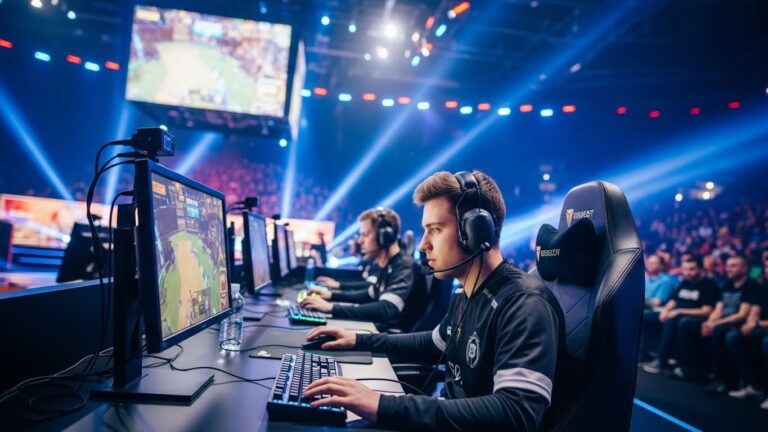
At its core, esports stands for electronic sports. It involves organized competitions where individuals or teams play video games at professional levels. These competitions require strategic thinking, fast reflexes, teamwork, and mental strength. While some might view gaming as a casual activity, esports demands dedication and hours of training. Professional players treat their craft like athletes, focusing on mastering game mechanics, studying opponents, and working closely with their teams. Esports has grown into a discipline that blends entertainment, technology, and competitive skill.
A Look Back: The Early Days of Esports
While esports may seem like a modern creation, its roots reach back several decades. The earliest known gaming competitions took place in the 1970s and 1980s during the arcade era. As technology developed, the introduction of home computers and early online connectivity brought players closer together. In the 1990s, titles such as Doom, StarCraft, and Counter-Strike shaped the foundation of competitive gaming culture. As the internet expanded, so did global tournaments. By the early 2000s, esports had gained enough popularity to attract sponsors, media coverage, and international events. This growth laid the groundwork for the massive industry we see today.
The Professional Gamer: A New Type of Athlete
Professional esports players train intensely, often practicing for more than eight hours a day. Their routines include reviewing past matches, analyzing strategies, improving communication, and maintaining physical fitness. Many teams employ coaches, analysts, fitness trainers, and psychologists to support their players. The mental demands of esports are high, requiring sharp focus, quick decision-making, and the ability to handle pressure in front of large audiences. These digital athletes dedicate themselves to mastery, proving that esports requires the same level of commitment found in traditional sports.
The Esports Ecosystem: Careers Beyond Playing
Esports is not limited to competitive players. A wide range of professions support the industry. Commentators provide live insights during matches, turning games into storytelling experiences. Analysts study data and gameplay to help teams improve. Event organizers create immersive tournaments that draw thousands of fans. Content creators and streamers build communities around their personalities and gaming skills. Marketing managers, video editors, designers, and developers also contribute to shaping the esports environment. The industry has opened doors for countless individuals who may not compete but still want to be part of the digital revolution.
Global Popularity: A Worldwide Community
Esports is a global movement, uniting fans and players from every continent. Countries like South Korea, China, and the United States are considered esports giants due to their well-developed competitive scenes. International tournaments draw millions of viewers, with fans cheering for their favorite teams and players. Online communities thrive across social platforms, where fans share highlights, strategies, and opinions. This global reach has expanded esports beyond cultural and linguistic barriers, making it one of the most universally accessible forms of entertainment.
The Role of Technology in Esports Growth
Technology has played a major role in shaping esports. Advanced gaming hardware ensures smooth gameplay and enhances the competitive experience. High-speed internet allows players to compete from different parts of the world without interruption. Streaming platforms make it possible for fans to watch matches live, follow their favorite teams, and even learn from professional players. Innovations such as virtual reality and artificial intelligence continue to influence training methods and viewing experiences. Technology keeps esports dynamic, accessible, and constantly evolving.
Health and Wellness in Esports
Despite being a digital activity, esports places significant demands on both mental and physical health. Players must maintain sharp reflexes, mental endurance, and emotional balance. Long hours at the computer can lead to physical strain if not managed properly. This is why modern esports teams invest in fitness routines, posture correction, ergonomic equipment, and psychological support. The industry now emphasizes balance, highlighting that peak performance requires a healthy mind and body. Just like traditional athletes, esports players must stay disciplined to compete at top levels.
Community Building: The Social Power of Esports
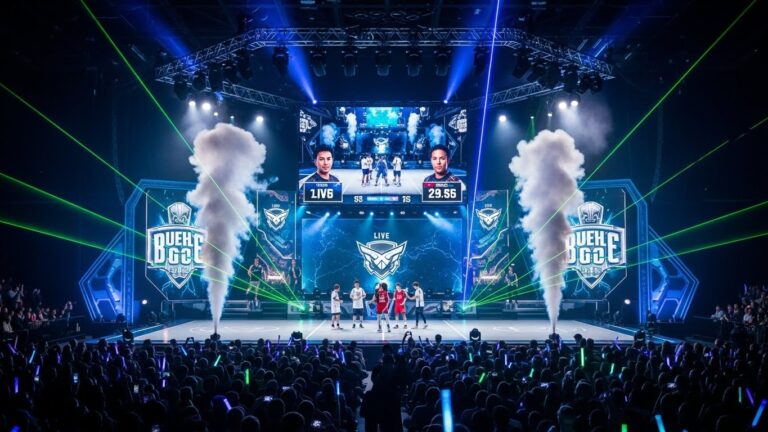
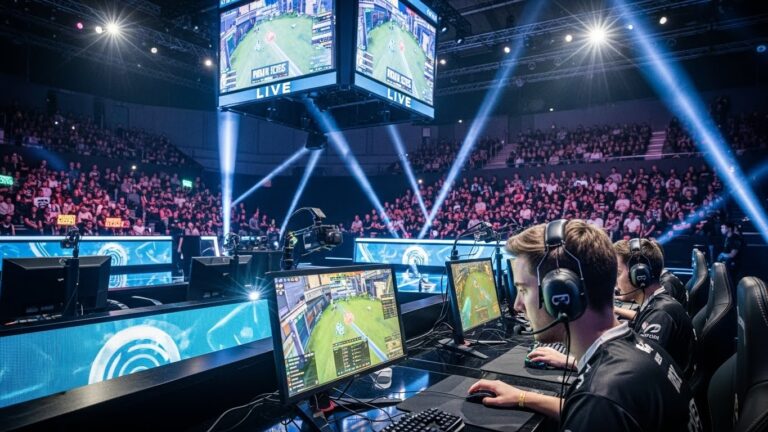
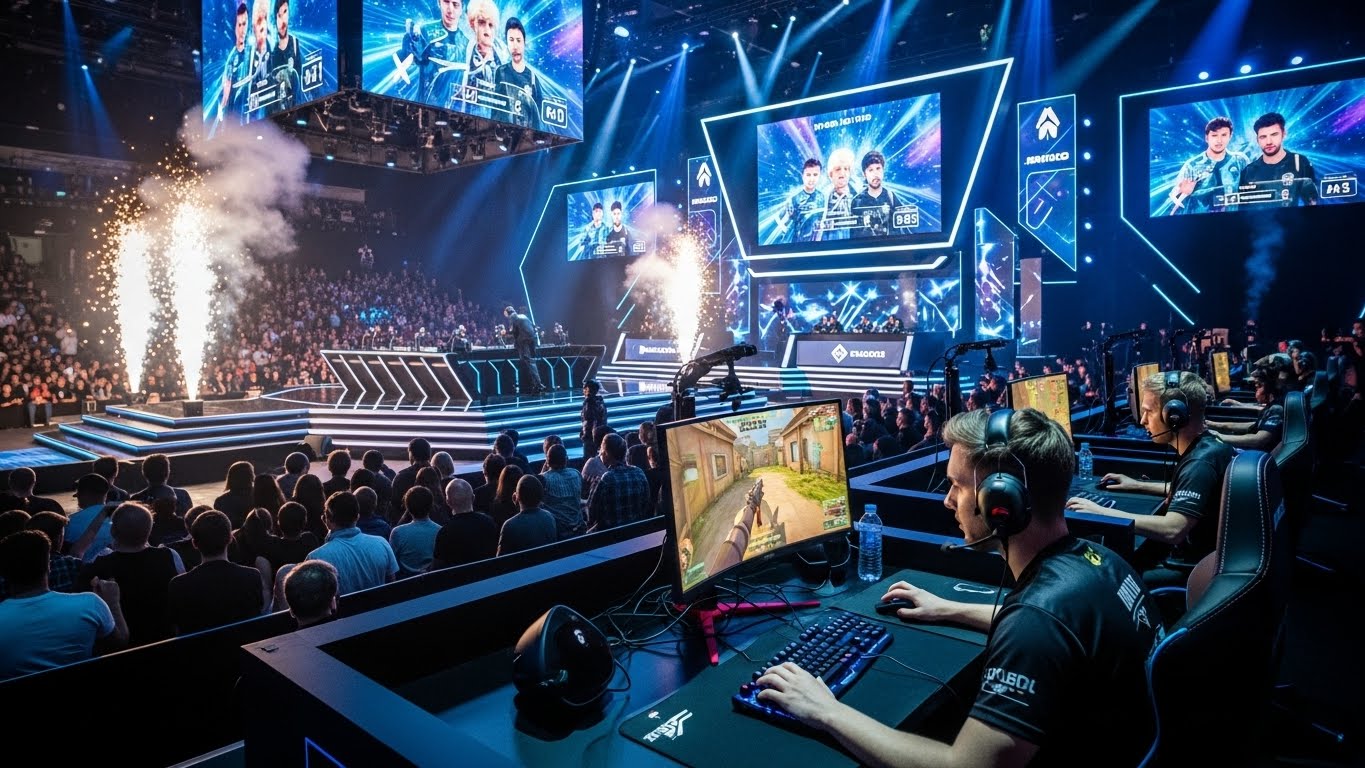
Esports has an incredible ability to build communities. Whether through local gaming clubs, online forums, or global events, players and fans connect through shared interests. These communities offer support, friendship, and competition, making esports a powerful social experience. Major events bring thousands of fans together, transforming arenas into energetic hubs of excitement. Online communities also provide opportunities for new players to learn, collaborate, and improve. Esports has become a cultural movement, creating spaces where people feel connected and inspired.
Esports in Education: A New Pathway for Learning
Educational institutions have begun recognizing the value of esports. Schools and universities now offer esports programs, training facilities, and scholarships. Esports teaches vital skills such as teamwork, strategic thinking, leadership, and time management. Courses on game design, event management, and sports marketing help students prepare for careers within the industry. This integration into education shows how esports can shape future generations, offering opportunities that go beyond gaming and touch on technology, creativity, and business.
The Economic Impact of Esports
Esports has become a multi-billion-dollar industry. Tournaments generate significant revenue through sponsorships, merchandise, and ticket sales. Brands partner with players and teams to reach younger audiences who engage heavily with digital content. Streaming platforms and media companies invest in broadcasting rights to attract viewers. Cities hosting tournaments benefit from increased tourism and local business activities. The economic growth surrounding esports showcases its power as a global business that combines entertainment, marketing, and innovation.
Challenges and Opportunities in Esports
Despite its success, esports faces challenges. Issues such as player burnout, cyberbullying, unfair practices, and inconsistent regulations must be addressed for long-term sustainability. Ensuring fair competition, supporting player mental health, and creating inclusive environments are essential. However, these challenges also present opportunities for progress. As esports continues to grow, improved standards, governance, and educational initiatives will help strengthen the industry and create a healthier environment for players and fans.
The Future of Esports: A New Era of Digital Competition
The future of esports is bright and full of possibilities. Advancements in virtual reality may lead to even more immersive competitions. Artificial intelligence could transform training and game analysis. Interactive viewing experiences might allow fans to feel more connected to the action. Esports may soon become a part of global sporting events and mainstream entertainment platforms. As technology evolves, so will the ways we play, compete, and connect. Esports is set to redefine entertainment for future generations.
Conclusion: The Legacy of Esports
Esports has transcended its origins to become a global cultural force. It blends skill, strategy, technology, and creativity into a competitive form of entertainment that continues to inspire millions. Whether you are a player, a fan, or an industry professional, esports offers opportunities for connection, growth, and innovation. Its rise represents the power of digital culture and human ambition. As esports continues to evolve, it will shape not only the future of gaming but also the broader world of entertainment and community.