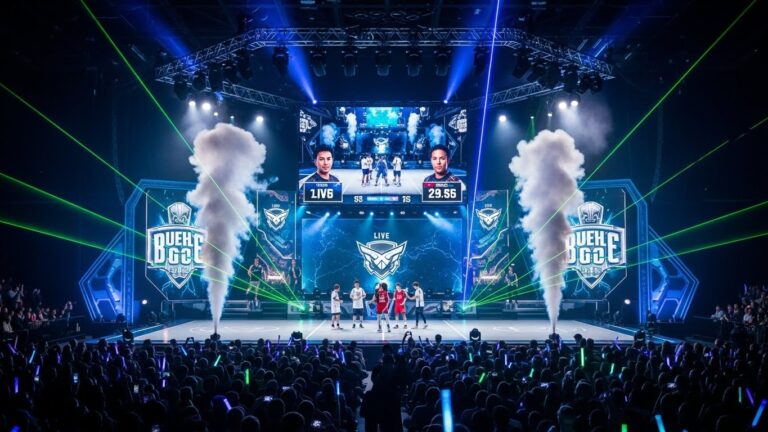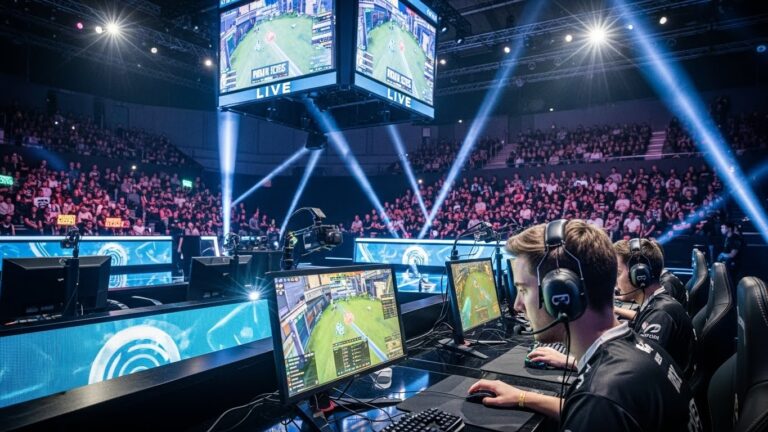




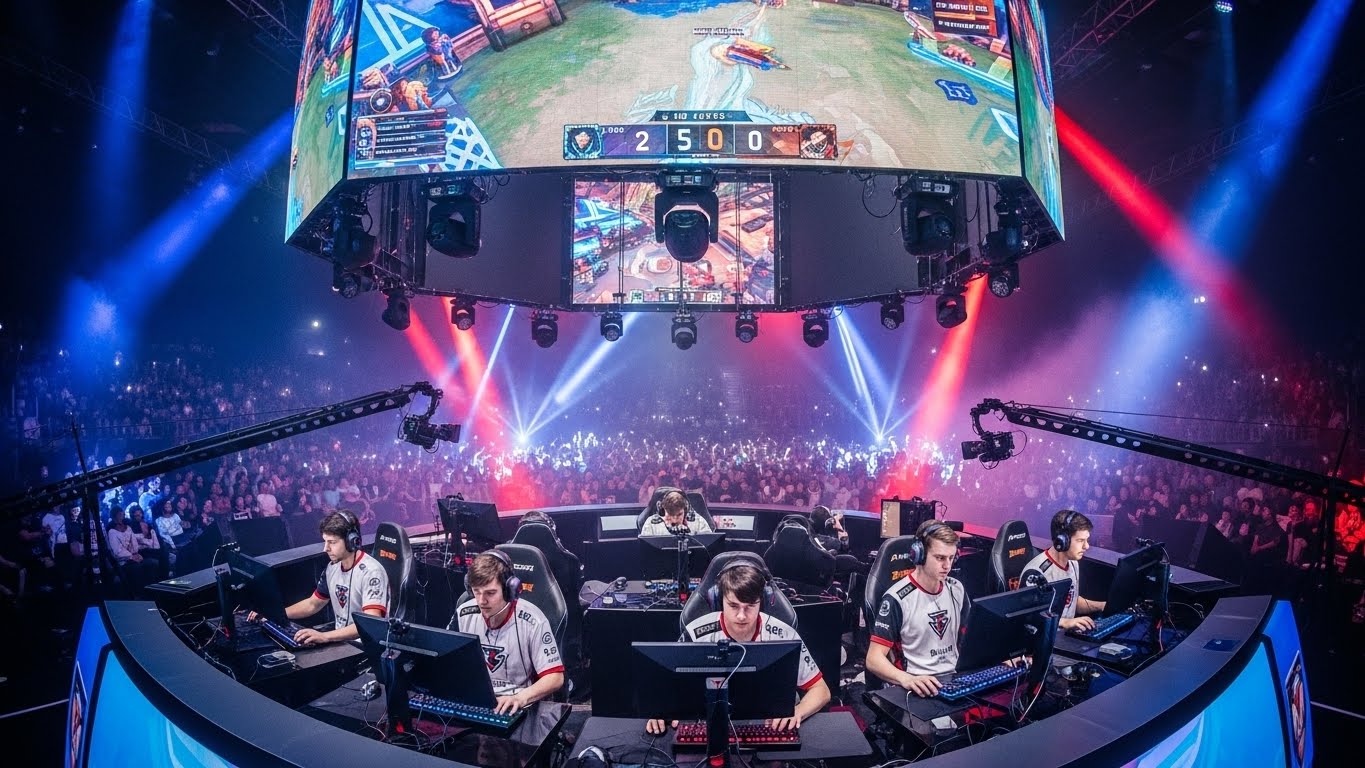
Esports, short for electronic sports, has experienced a meteoric rise over the past two decades, evolving from niche hobbyist competitions to a massive, global entertainment industry. What was once a space where gamers could come together to test their skills in friendly tournaments has now transformed into a multi-billion-dollar industry, with dedicated professional leagues, celebrity athletes, and millions of fans across the globe. As technology advances, so too does the scope and impact of esports, reshaping the landscape of entertainment, culture, and business. This blog post will explore the history, growth, impact, and future of esports, while examining its cultural significance in the digital age.
The Humble Beginnings of Esports
Esports has its roots in the early days of video gaming when players began competing against one another in informal settings. The first known esports event dates back to 1972 when Stanford University held a competition for the game Spacewar. The winner of the tournament received a yearlong subscription to Rolling Stone magazine as a prize. Though modest by today’s standards, this event marks the beginning of a long history of competitive gaming.
Throughout the 1980s and early 1990s, the arcade scene was where most competitive gaming took place. As personal computers became more accessible and multiplayer online games began to emerge, the seeds for modern esports were planted. Quake, StarCraft, and Warcraft were some of the early titles that helped establish a competitive scene, with dedicated players organizing local LAN (Local Area Network) tournaments to compete for bragging rights and small prizes.
The first true breakthrough came in 1997 with the establishment of the Red Annihilation tournament for the game Quake. This event, held at the height of Quake’s popularity, was broadcast on television and set the stage for the professionalization of esports.
The Rise of Professional Esports Leagues
By the early 2000s, the online multiplayer scene was booming, and esports was gaining traction globally. In Asia, particularly South Korea, esports began to flourish. The country became a hotbed for professional gaming, with titles like StarCraft and Warcraft III gaining immense popularity. The South Korean government, recognizing the potential economic benefits, supported the growth of esports through initiatives such as building dedicated esports arenas and creating television channels that broadcasted gaming competitions. In 2000, the Korean e-Sports Association (KeSPA) was formed, further legitimizing esports as a professional sport.
The creation of major tournaments and the rise of competitive teams fueled the explosion of esports. The World Cyber Games (WCG) and Electronic Sports World Cup (ESWC), launched in the early 2000s, were two of the first truly international competitions that brought together top players from around the world to compete for large cash prizes and global recognition.
With the advent of streaming platforms such as Twitch, which was founded in 2011, esports quickly transitioned from an underground hobby to a mainstream spectacle. Twitch allowed viewers to watch their favorite players compete in real time, interact with them via live chats, and become part of the growing esports community. This shift to digital broadcasting opened new avenues for monetization through advertising, sponsorships, and donations, creating a sustainable ecosystem for professional players and teams.
The Explosion of Esports Popularity
Esports began to gain massive visibility in the mid-2010s, driven by the global success of several popular games. Titles such as League of Legends (LoL), Dota 2, and Counter-Strike: Global Offensive (CS: GO) captured the attention of both players and spectators. League of Legends, in particular, became a juggernaut, with its world championships drawing millions of viewers from around the world.
One of the most significant turning points in esports came in 2014 when League of Legends held its World Championship in Seoul, South Korea. The event was a spectacle, with a sold-out stadium and over 27 million people watching the finals online. The sheer scale of the event and its widespread viewership proved that esports had become a legitimate form of entertainment, rivaling traditional sports in terms of global reach and fan engagement.
In addition to League of Legends, other games like Fortnite, Overwatch, and Call of Duty also helped push esports into the mainstream. The battle royale genre, popularized by Fortnite, attracted a younger demographic and brought new players into the competitive gaming scene. Meanwhile, traditional first-person shooters like Call of Duty and Counter-Strike maintained their positions as staple esports titles, with major tournaments offering substantial cash prizes and global recognition.
Esports as a Multi-Billion-Dollar Industry
As esports continued to grow in popularity, its economic impact became increasingly evident. In 2019, the global esports industry was estimated to be worth over $1 billion, with projections to exceed $1.6 billion by 2024. This rapid growth can be attributed to several factors: the rise of digital streaming platforms, lucrative sponsorships, and the increasing mainstream adoption of esports by media companies and traditional sports organizations.
Corporate sponsorships have become one of the primary revenue streams for esports tournaments and teams. Major brands such as Coca-Cola, Intel, Mercedes-Benz, and Red Bull have all invested heavily in esports, partnering with tournaments, teams, and individual players to promote their products to a highly engaged and tech-savvy audience. These partnerships have brought significant financial backing to the esports ecosystem, allowing tournaments to offer multi-million-dollar prize pools and further professionalize the industry.
Another key factor contributing to the industry’s growth is the development of professional esports leagues. Games like Overwatch and Call of Duty have introduced franchised leagues, modeled after traditional sports leagues such as the NBA and NFL. The Overwatch League, launched in 2018, has attracted investment from major traditional sports organizations, including the New England Patriots and the Dallas Cowboys. These leagues provide teams with stable revenue streams and bring more legitimacy to the esports scene, positioning esports as a long-term career option for players and coaches.
Esports has also attracted significant attention from media companies looking to capitalize on the growing interest in digital sports. Streaming platforms such as YouTube and Twitch have signed exclusive broadcasting deals with esports organizations, while traditional sports networks like ESPN and Turner Broadcasting have begun airing esports events. This widespread media coverage has helped esports reach new audiences, including those who may not be familiar with competitive gaming.
The Cultural Impact of Esports
Esports has become a powerful cultural force, influencing everything from fashion to social media. Professional players are now regarded as celebrities in their own right, with millions of followers on platforms like Instagram, Twitter, and YouTube. The rise of content creation within the esports community has allowed players to build personal brands and engage with fans on a more intimate level.
Esports has also helped redefine the concept of “sport” in the modern era. Traditional sports have long been associated with physical activity, but esports has proven that intellectual skill, strategic thinking, and teamwork are just as important in competition. Competitive gaming requires players to have quick reflexes, deep game knowledge, and the ability to work as part of a team, much like traditional athletes.
Additionally, esports has become a global phenomenon, transcending borders and uniting players and fans from different cultures and backgrounds. The internet has facilitated the growth of online communities, where fans can interact with one another, share content, and celebrate their love for esports. The global nature of esports has also made it more inclusive, as players from various regions have the opportunity to compete at the highest level, regardless of location.
The Future of Esports
Looking ahead, the future of esports appears bright, with continued growth expected in both the competitive gaming and entertainment sectors. One major area of development is the integration of virtual reality (VR) and augmented reality (AR) into esports. As technology continues to evolve, new gaming experiences will likely reshape how people engage with esports, adding another layer of immersion and excitement to the experience.
Another potential avenue for growth is the continued convergence of esports and traditional sports. With organizations like the NBA, NFL, and European soccer clubs investing in esports teams and tournaments, it’s likely that esports will continue to grow in prominence alongside traditional sports. We may see more collaborations between esports and mainstream sports leagues, resulting in new opportunities for cross-promotion and audience expansion.
Furthermore, esports is poised to make an impact in the world of education. Several universities and colleges around the world have already established esports programs, offering scholarships and degrees in esports management, game development, and other related fields. As the industry grows, so too will the demand for skilled professionals in areas such as marketing, broadcasting, and event management. Esports could soon be recognized as a legitimate academic pursuit, with more students opting to pursue careers in the field.
Conclusion
Esports has come a long way since its humble beginnings in arcades and basements. Today, it stands as a testament to the power of digital communities and the passion of gamers around the world. From its grassroots origins to its current status as a global entertainment juggernaut, esports has reshaped the way we think about competition, sportsmanship, and entertainment in the 21st century.
The rapid growth of esports, driven by technological advancements, corporate investment, and a dedicated fanbase, has made it clear that competitive gaming is more than just a passing trend. It’s a cultural and economic force that will continue to evolve and impact the world for years to come. As esports continues to thrive, its legacy as a major player in the entertainment industry is only just beginning.