


Introduction
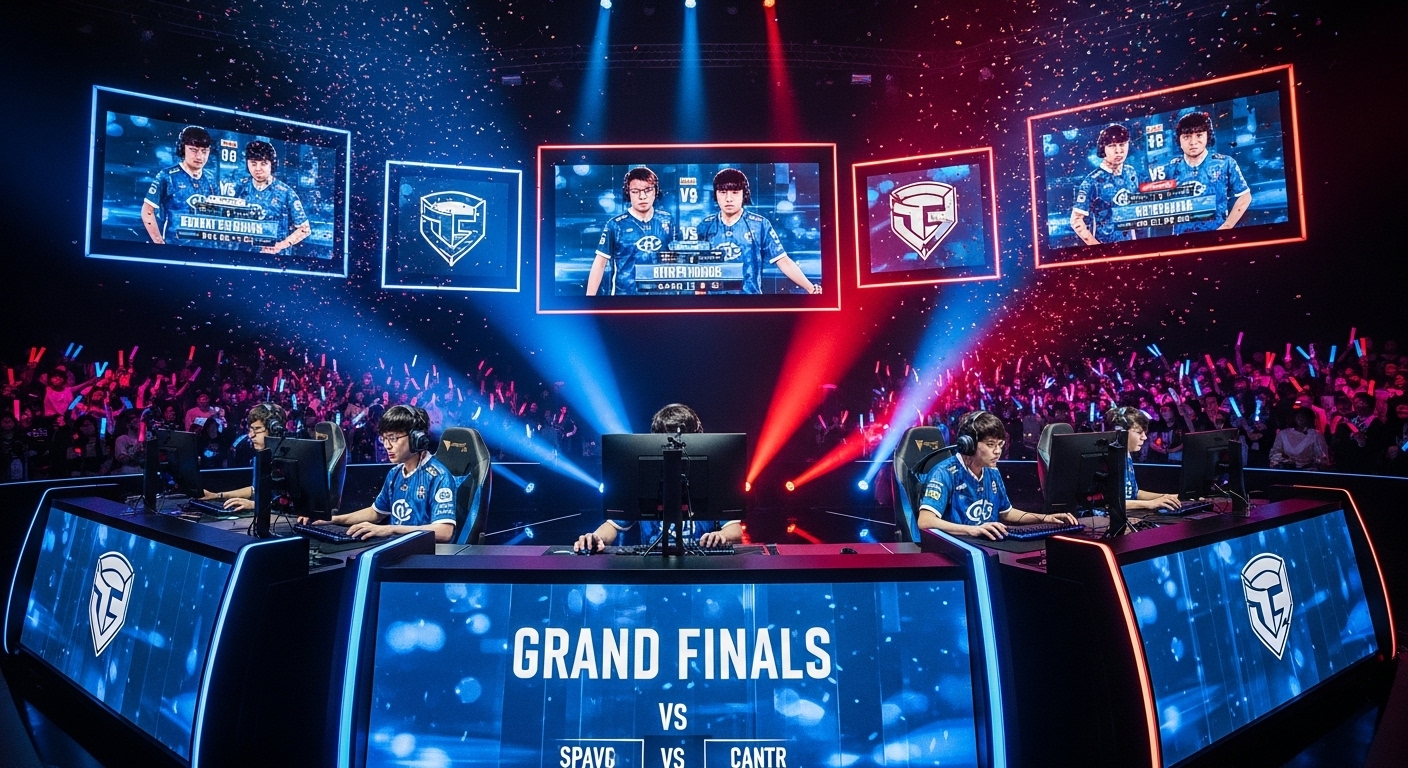
Esports has moved far beyond the realm of casual gaming to become a global phenomenon that captures the imagination of millions. Once dismissed as a hobby for teenagers in basements, esports now attracts packed stadiums, multi-million-dollar sponsorships, and audiences rivaling traditional sports. Competitive gaming has evolved into a legitimate career path, a cultural force, and a technological playground. Its impact spans entertainment, education, technology, and even social interactions, making it one of the most transformative movements in modern society.
The Origins of Esports
The concept of competitive gaming is not new. Its roots can be traced back to the late 1970s and early 1980s, when high score competitions for games like Space Invaders and Pac-Man were held in arcades. These events were casual by today’s standards but planted the seeds for competitive play.
The 1990s and early 2000s marked the rise of multiplayer online games, allowing players to compete beyond local communities. Games like StarCraft, Counter-Strike, and Warcraft became foundational to the competitive gaming scene. Tournaments began attracting international attention, and the first professional teams emerged. By the mid-2000s, esports had developed a structured ecosystem with organized leagues, prize pools, and fan followings.
The Rise of Professional Esports
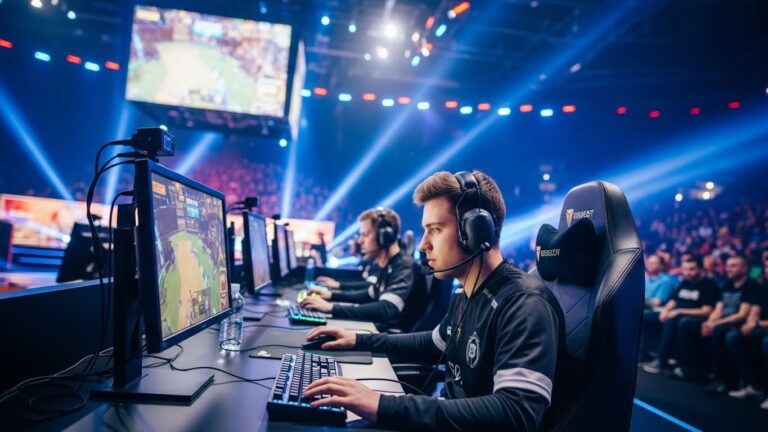
Today, professional esports players are recognized for their skill, discipline, and strategic thinking. Just like traditional athletes, they dedicate hours each day to practice, team coordination, and strategy analysis. The intensity of professional esports requires not only quick reflexes but also mental endurance, situational awareness, and precise decision-making under pressure.
Esports organizations now operate with a high degree of professionalism. Teams have coaches, analysts, nutritionists, and psychologists to support players. Tournaments are meticulously planned, with live broadcasts, commentary, and global audiences. The competitive environment is highly strategic, where a single decision can determine the outcome of a multi-million-dollar match.
Diversity in Esports Games
One of the unique aspects of esports is its diversity. Unlike traditional sports that revolve around physical skills, esports covers a wide spectrum of games that cater to different talents. Multiplayer Online Battle Arenas (MOBAs) like League of Legends require teamwork, strategy, and timing. First-person shooters such as Counter-Strike demand precision, reflexes, and tactical thinking. Fighting games like Street Fighter emphasize timing, technique, and psychology. Sports simulation games allow fans of football, basketball, or racing to experience competition digitally.
This variety ensures that nearly anyone can find a niche in esports, whether they excel at quick reflexes, strategic planning, or creative problem solving. The broad spectrum of genres also makes esports more inclusive and culturally diverse, attracting players and audiences from different backgrounds and skill levels.
The Role of Technology in Esports
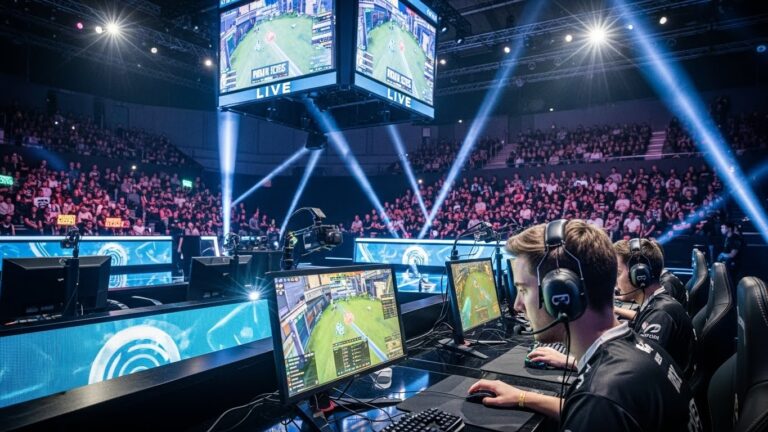
Technology is the backbone of esports. High-speed internet, advanced hardware, and cutting-edge software allow players to compete seamlessly across the globe. Streaming platforms have revolutionized how audiences engage with esports, providing live broadcasts, interactive commentary, and instant replays that enhance the viewing experience.
Emerging technologies such as virtual reality and augmented reality are expanding the boundaries of competitive gaming. VR esports introduces physical interaction within a digital world, creating immersive experiences that blend the real and virtual. Augmented reality adds layers of strategy and creativity, potentially transforming how games are played and watched. Technology continues to push esports forward, enabling innovation in gameplay, audience engagement, and content creation.
Esports as a Career Path
Esports has become a viable career option for many individuals. Professional players earn salaries, prize money, and sponsorships, while content creators and streamers monetize their gameplay through platforms and fan support. Beyond playing, numerous roles support the industry, including event management, commentary, analysis, coaching, and digital media production.
Universities and educational institutions are increasingly recognizing esports as a legitimate field. Scholarships for talented players, esports programs, and specialized courses provide training and academic opportunities. Students gain both gaming skills and broader professional competencies such as teamwork, communication, and leadership, making esports a multi-dimensional career option.
The Cultural Impact of Esports
Esports has transformed modern culture. It creates communities where fans share experiences, analyze strategies, and celebrate achievements together. Online communities and social media allow people to connect over shared interests regardless of geographical location.
Esports also influences lifestyle, fashion, and entertainment. Gaming inspired clothing, music collaborations with players, and mainstream recognition of esports celebrities are reshaping popular culture. The rise of female players, diverse teams, and inclusive communities challenges traditional stereotypes, proving that esports is a space where skill and dedication matter more than gender or background.
Mental and Physical Challenges
Despite its glamour, esports is demanding. Players often practice for long hours under intense pressure, leading to mental fatigue, stress, and burnout. Maintaining mental health is a critical concern in professional esports, and many organizations employ psychologists and counselors to support players.
Physical health is also important. Prolonged sitting, repetitive hand movements, and extended screen exposure can lead to injuries such as carpal tunnel syndrome, eye strain, and posture issues. Professional players now incorporate physical exercise, ergonomic equipment, and proper nutrition into their routines to ensure longevity and peak performance.
Global Esports Events
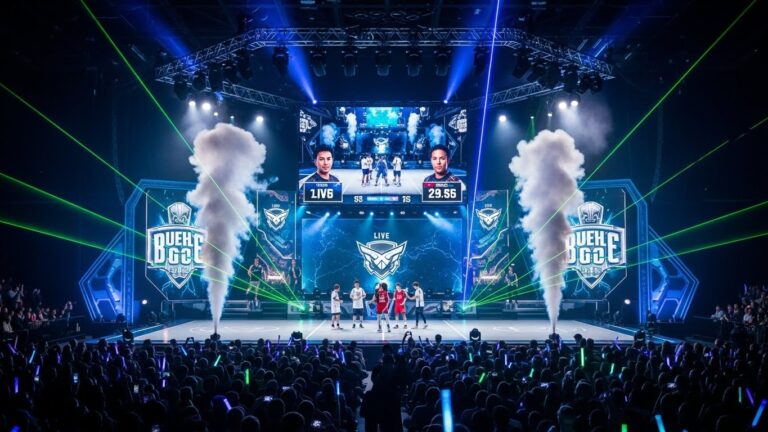
Major esports tournaments attract massive audiences and high stakes. Events such as the League of Legends World Championship, The International for Dota 2, and the Fortnite World Cup offer multi-million-dollar prize pools and international attention. These events are not only competitions but also entertainment spectacles, featuring elaborate production, celebrity appearances, and interactive fan experiences.
Such events highlight esports’ ability to captivate audiences and generate economic activity. Host cities benefit from tourism, media coverage, and sponsorship deals. Meanwhile, fans gain a shared sense of excitement and community, reinforcing the cultural significance of esports.
Education and Skill Development
Esports is increasingly recognized for its educational value. Strategic thinking, teamwork, communication, leadership, and adaptability are essential skills developed through competitive gaming. Many educational programs integrate esports into curriculum and extracurricular activities, teaching students these valuable skills in engaging ways.
Beyond gaming, esports fosters digital literacy, technical knowledge, and content creation abilities. Students learn how to produce streams, analyze game data, and manage digital communities, preparing them for diverse careers in a technology-driven world.
Challenges Facing Esports
Despite its growth, esports faces challenges. Ensuring fair competition and preventing cheating or match manipulation is an ongoing concern. Toxic behavior within communities must also be managed to maintain positive and inclusive environments. Additionally, financial stability for smaller teams or less popular regions can be uncertain, highlighting the need for sustainable investment and support.
Another challenge lies in perception. Many still view esports as “just gaming” rather than a legitimate competitive activity. Overcoming these misconceptions requires education, exposure, and continued demonstration of the skill, strategy, and professionalism involved in competitive gaming.
The Future of Esports
The future of esports is promising. Technological advancements, new games, and increased mainstream recognition will continue to expand its reach. Integration with virtual reality, augmented reality, and artificial intelligence could redefine gameplay, audience engagement, and training methods. Traditional sports organizations are increasingly investing in esports teams, bridging the gap between digital and physical competition.
Esports’ global community ensures that it will remain a vibrant, evolving cultural force. Fans, players, and creators will continue shaping the industry, driving innovation, and expanding its influence on entertainment, education, and social interaction.
Conclusion
Esports has evolved from a niche pastime into a global powerhouse, blending competition, culture, technology, and community. It provides opportunities for careers, education, and personal growth while fostering global connections and shared experiences. As technology advances and audiences grow, esports is set to redefine what competition, entertainment, and collaboration mean in the twenty first century.
From small arcade tournaments to multi-million-dollar international championships, esports has proven that gaming is more than entertainment—it is a reflection of human skill, creativity, and ambition. The digital arenas of today are shaping the athletes, leaders, and innovators of tomorrow, making esports an integral part of modern culture and society.