



Introduction: The Evolution of Gaming
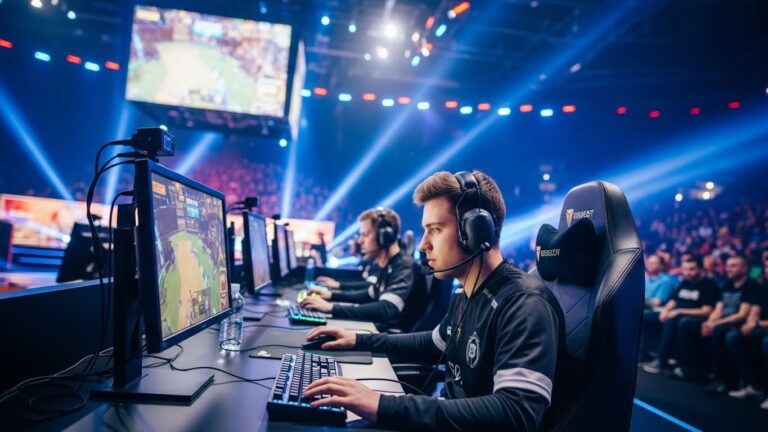
In the past, video games were often dismissed as a casual pastime or a hobby limited to teenagers. Today, competitive gaming, commonly known as esports, has grown into a global phenomenon. It is no longer just about playing games for fun—esports represents a multi-billion-dollar industry with professional teams, international tournaments, and millions of viewers.
Esports has transformed the concept of competition. From humble beginnings in arcades and early computer labs to massive stadiums and online streaming platforms, esports has proven that skill, strategy, and teamwork in digital arenas can rival traditional sports. The industry’s growth is a testament to human ingenuity, technological advancement, and the universal appeal of gaming.
The Early Days of Esports
The roots of esports trace back to the 1970s and 1980s. The first known video game competition occurred in 1972 at Stanford University, where students competed in a game called Spacewar. Prizes were modest, but the idea of competing digitally had begun.
The 1980s saw the rise of arcade culture. Games like Pac-Man, Donkey Kong, and Street Fighter dominated social spaces, and local tournaments became common. Players began to compete not only for fun but for recognition and prestige. High scores on arcade machines became a symbol of skill, creating an early culture of competitive gaming.
In the 1990s, the arrival of home computers and consoles, combined with emerging internet connectivity, revolutionized esports. Multiplayer games like Quake, StarCraft, and Counter-Strike allowed gamers to compete across the world. Leagues and competitions such as the Cyberathlete Professional League formalized the concept of professional gaming, laying the groundwork for modern esports.
The Global Rise of Esports
Esports gained worldwide recognition in the 2000s and 2010s thanks to online platforms, streaming services, and high-speed internet. Games like League of Legends, Dota 2, Counter-Strike: Global Offensive, and Overwatch attracted massive audiences, transforming casual play into a spectator sport.
Streaming platforms allowed fans to watch live matches, learn from top players, and interact with communities. Esports stars became influencers, inspiring millions of viewers with their skill and personality. Countries like South Korea and China led the way, establishing esports academies, broadcasting matches on national television, and supporting players as professional athletes.
Esports’ global reach makes it accessible in ways traditional sports are not. Anyone with a computer, console, or mobile device can participate or watch, enabling worldwide communities and competitions that transcend geographical boundaries.
The Structure of Esports: Teams and Tournaments
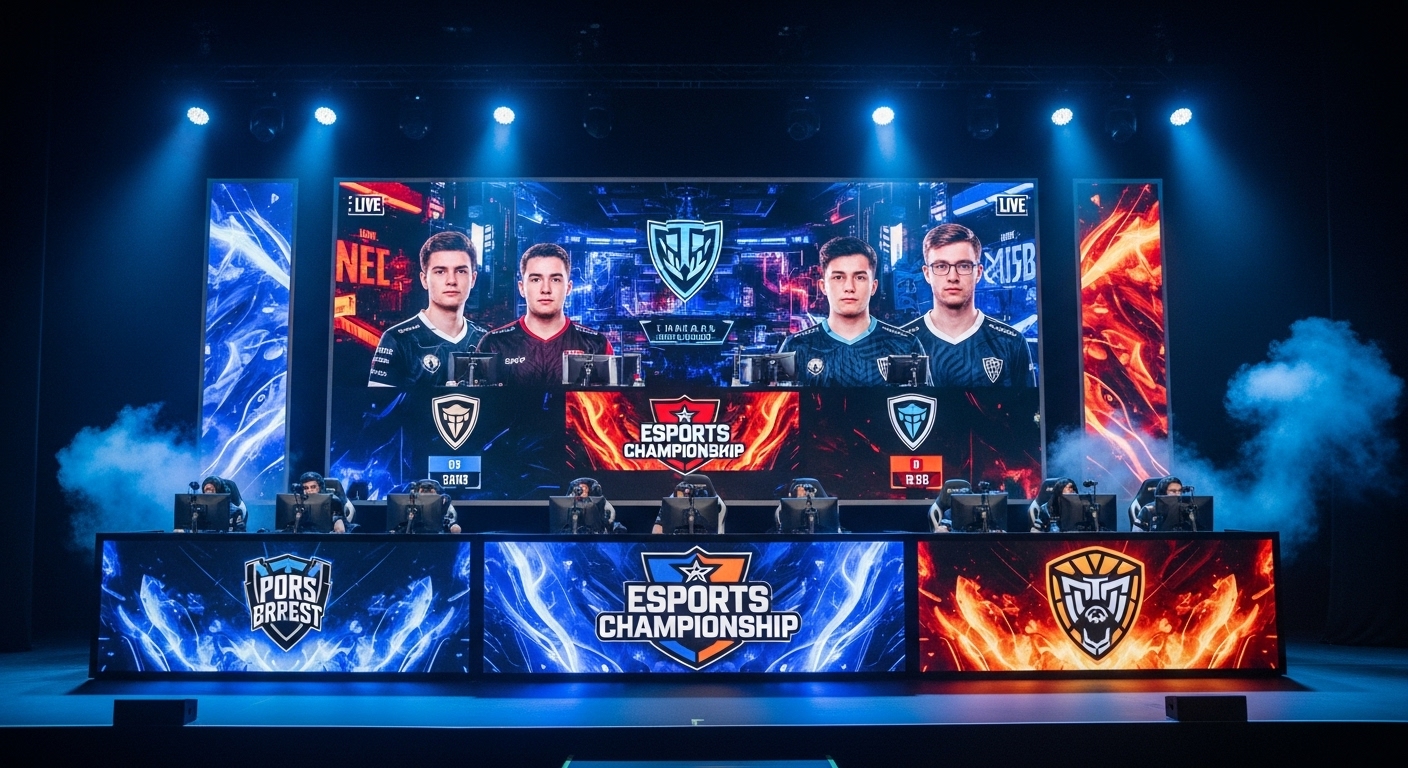
Esports operates much like conventional sports, with professional teams, organized leagues, and structured tournaments. Teams recruit top talent from around the world, employing players, coaches, analysts, and managers to maintain competitive performance. Many organizations function like corporations, focusing on branding, marketing, and long-term sustainability.
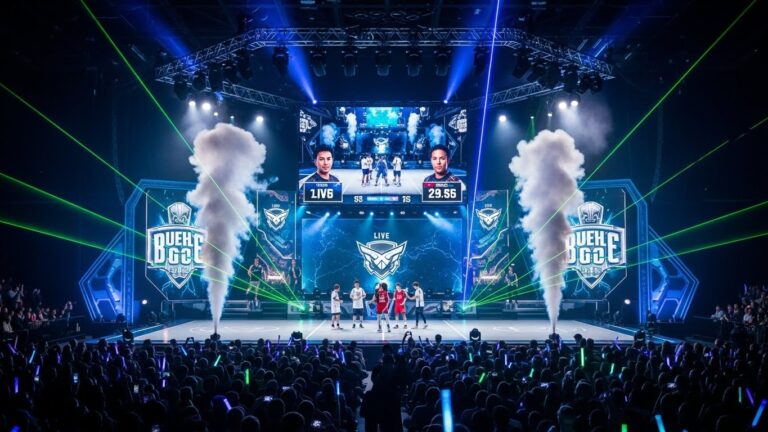
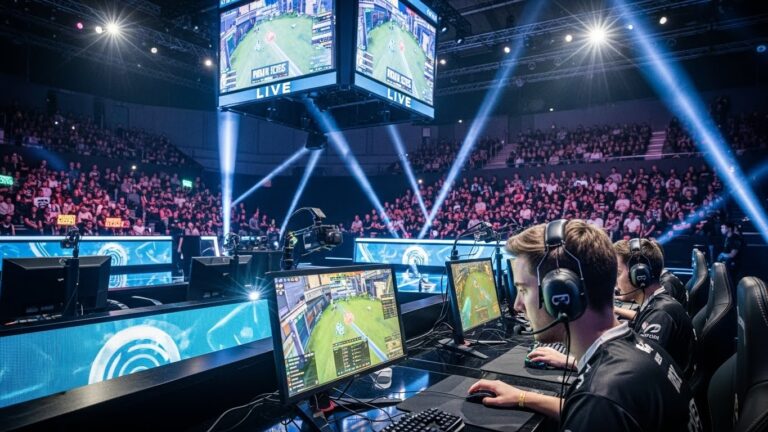
Tournaments range from small online events to massive international championships. The International, a Dota 2 tournament, and the League of Legends World Championship are examples of competitions with millions of live viewers and prize pools reaching millions of dollars. These tournaments are broadcast online and, increasingly, in arenas filled with cheering fans.
Game publishers also play a crucial role. They maintain game balance, set competitive rules, and often organize or sponsor tournaments. Fans contribute significantly by watching streams, participating in online communities, and purchasing merchandise, creating a sustainable ecosystem for the esports industry.
Career Opportunities in Esports
Esports offers diverse career opportunities beyond professional players. While players are the most visible, coaches train teams and develop strategies, analysts examine data to improve performance, and commentators bring tournaments to life for audiences.
Other roles include content creators, event managers, marketing specialists, and broadcast technicians. Universities have started offering courses in esports management and digital media, preparing students for a rapidly growing industry. Professionalization ensures that esports is a sustainable career path, providing opportunities for thousands of individuals worldwide.
The Business of Esports
Esports has evolved into a multi-billion-dollar industry with several revenue streams. Sponsorships are the largest source of income, as brands aim to reach younger audiences through team partnerships, tournament sponsorships, and in-game advertising.
Streaming platforms generate revenue through subscriptions, advertisements, and donations. Ticket sales for live events and merchandise sales for teams further contribute to the industry’s growth. Traditional sports organizations and investors are increasingly entering esports, recognizing its commercial potential and cultural significance.
The combination of sponsorships, media rights, and fan engagement has created an ecosystem where esports organizations can thrive financially while expanding their reach globally.
Esports and Mainstream Media
The perception of esports has shifted dramatically in recent years. Once considered a fringe hobby, esports is now covered by mainstream media, television networks, and sports journalists. Stories of professional players, intense rivalries, and tournament highlights are now part of popular culture.
Esports has even been included in major multi-sport events such as the Asian Games, further solidifying its status as a legitimate form of competition. While debates continue about its inclusion in the Olympics, esports’ growing recognition demonstrates its cultural impact and global significance.
Esports also intersects with entertainment through documentaries, films, and online content. Its narratives—featuring teamwork, perseverance, and triumph—resonate with audiences just as traditional sports do.
The Psychological and Social Impact of Esports
Competitive gaming presents unique psychological challenges. Professional players face high expectations, long training hours, and constant scrutiny. Organizations now emphasize mental health programs, physical fitness, and balanced schedules to prevent burnout and support player well-being.
Despite these challenges, esports fosters valuable life skills. Teamwork, strategic thinking, communication, and decision-making are essential for success. Gaming communities create social connection, inclusion, and shared experiences, especially for individuals who may feel marginalized in traditional social settings.
Esports, therefore, is not just a competitive activity—it is a social and educational platform that cultivates personal growth and collaboration.
Technological Innovations Driving Esports
Technology is the backbone of esports. High-speed internet, powerful hardware, and streaming platforms enable real-time competition worldwide. Emerging technologies like artificial intelligence, virtual reality, and augmented reality are expanding the possibilities of competitive gaming.
AI can analyze player performance, suggest strategies, and optimize training. Virtual and augmented reality create immersive experiences for both players and audiences, making esports more interactive and engaging. Blockchain technology and digital assets are introducing new ways to reward players and fans, creating innovative economic models within esports.
These technological advancements ensure that esports remains dynamic, exciting, and continuously evolving.
Challenges Facing the Esports Industry
Despite its rapid growth, esports faces challenges. Sustainability is a key concern, as player burnout, inconsistent tournament structures, and fluctuating revenues can threaten long-term viability.
Governance remains another challenge. Unlike traditional sports with standardized rules and organizations, esports lacks a universal regulatory body. Each game publisher maintains its own competitive ecosystem, creating inconsistencies in regulations, player rights, and standards.
Fair play is also critical. Cheating, match-fixing, and online harassment require constant attention and technological solutions. Maintaining integrity and player safety is essential for the continued credibility of the esports industry.
The Future of Esports
The future of esports is bright. The industry is expected to grow in audience size, revenue, and mainstream acceptance. Younger generations raised on digital platforms are likely to embrace esports as a legitimate and exciting form of competition.
Innovation will continue to shape esports. Mixed-reality competitions, AI-assisted training, and immersive spectator experiences may redefine the boundaries of gaming. Governments, universities, and investors are increasingly supporting esports infrastructure, ensuring it matures into a well-regulated, sustainable industry.
At its core, esports remains about community, passion, and competition. From casual players to professional athletes, the shared love for gaming drives the industry forward, inspiring creativity and excellence.
Conclusion: Esports as a Cultural and Competitive Force
Esports is more than just playing video games—it is a global cultural movement that has redefined competition, entertainment, and community. It combines skill, strategy, teamwork, and technology to create experiences that rival traditional sports.
From arcade beginnings to international tournaments with millions of viewers, esports has demonstrated that virtual competition can inspire, entertain, and unite people worldwide. It is a testament to human innovation and the power of digital connection.
As esports continues to grow, it will shape careers, media, and technology, influencing society in unprecedented ways. The world of competitive gaming is no longer confined to screens—it is a transformative force redefining what it means to compete, connect, and excel in the modern era.