




In recent years, esports has evolved from a niche subculture to a global phenomenon. What once began as casual gaming competitions has now blossomed into a billion-dollar industry, attracting massive audiences, corporate sponsorships, and a new generation of professional athletes. This blog post will delve into the history, growth, and future of esports, exploring why it has gained such prominence and what it means for the gaming industry and beyond.
What is Esports?
Esports, short for “electronic sports,” refers to competitive video gaming at a professional level. Esports can involve various genres, from real-time strategy games like StarCraft and Warcraft to first-person shooters like Counter-Strike: Global Offensive and Call of Duty, as well as multiplayer online battle arenas (MOBAs) like League of Legends and Dota 2. These competitions are typically organized into tournaments and leagues where professional players or teams battle for cash prizes, sponsorships, and international recognition.
Esports has an ecosystem that mirrors traditional sports in many ways, with professional teams, coaches, analysts, and broadcasters. What sets esports apart is its digital nature, which allows it to transcend physical boundaries and bring together players and fans from across the globe.
A Brief History of Esports
Esports dates back to the early 1970s, when competitions like the Intergalactic Spacewar Olympics were held, centered around the classic arcade game Spacewar. However, it wasn’t until the late 1990s and early 2000s that esports began to take a more structured form, particularly with the rise of popular games like StarCraft in South Korea. StarCraft became the flagship title for professional gaming in South Korea, with tournaments broadcast on TV and arenas filled with spectators.
As the internet and broadband connections became more widespread, esports began to grow globally. The introduction of games like Counter-Strike and Warcraft III led to the formation of competitive online communities and the first major global tournaments. The early 2010s saw the rise of MOBAs like League of Legends, which solidified esports as a mainstream entity.
The Growth of Esports
The last decade has witnessed an explosive growth in esports. As of 2023, the esports industry is valued at over $1 billion, with projections for even higher figures in the coming years. This growth can be attributed to several factors:
1. Technological Advancements
The rise of high-speed internet, better gaming hardware, and more accessible streaming platforms have played a crucial role in the growth of esports. Streaming platforms like Twitch and YouTube Gaming have enabled fans to watch live broadcasts of esports tournaments, while games themselves have evolved to become more complex, engaging, and competitive.
2. Corporate Sponsorships and Investments
Esports has attracted major corporate sponsorships, including brands like Coca-Cola, Intel, Red Bull, and Nike. These companies see esports as a way to reach younger, tech-savvy audiences who are difficult to engage through traditional media. In addition, esports organizations have received significant investments, leading to the formation of professional leagues and teams.
3. Global Reach and Accessibility
One of the most unique aspects of esports is its global nature. Unlike traditional sports, which may be limited by geography or infrastructure, esports has no physical barriers. A player in North America can compete with someone in Asia or Europe without leaving their home. The rise of online gaming has also made esports more accessible, allowing players of all skill levels to participate and watch tournaments from anywhere in the world.
4. The Rise of Mobile Gaming
Mobile gaming has contributed significantly to the growth of esports, particularly in regions like Asia. Games such as PUBG Mobile and Arena of Valor have garnered massive followings and have begun to host competitive events with large cash prizes. Mobile esports opens up new opportunities for gamers who may not have access to high-end PCs or consoles.
Esports as a Career
With the rise of esports, the possibility of a career in gaming has become more tangible than ever. Professional esports players can earn substantial incomes from tournament winnings, sponsorships, streaming, and brand deals. While the path to becoming a top-tier esports player is highly competitive, the industry offers numerous opportunities for those interested in gaming.
Esports athletes are often compared to traditional sports professionals in terms of their training regimen and discipline. Many top players follow strict practice schedules, focusing on improving their skills, understanding game mechanics, and strategizing with their teams. Esports coaches and analysts have also become crucial to the success of professional teams, helping players fine-tune their tactics and adapt to new meta shifts in games.
In addition to players, there are numerous career paths within the esports ecosystem, including event management, broadcasting, game development, marketing, and more. Universities and colleges have begun offering scholarships for esports athletes, and some even have dedicated esports programs to train future professionals in the field.
Esports and Its Cultural Impact
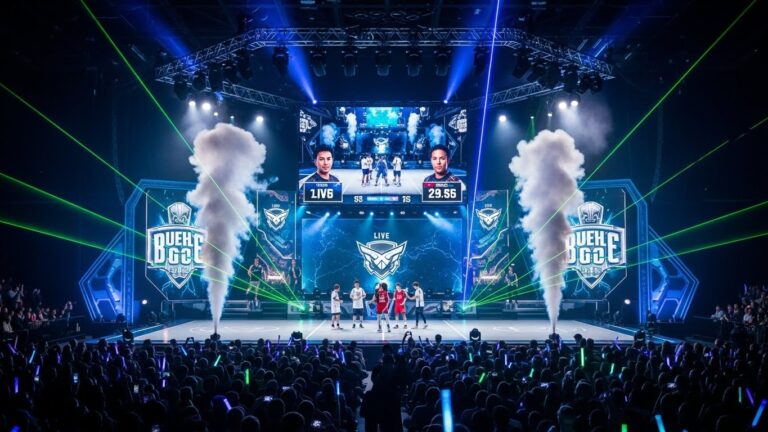
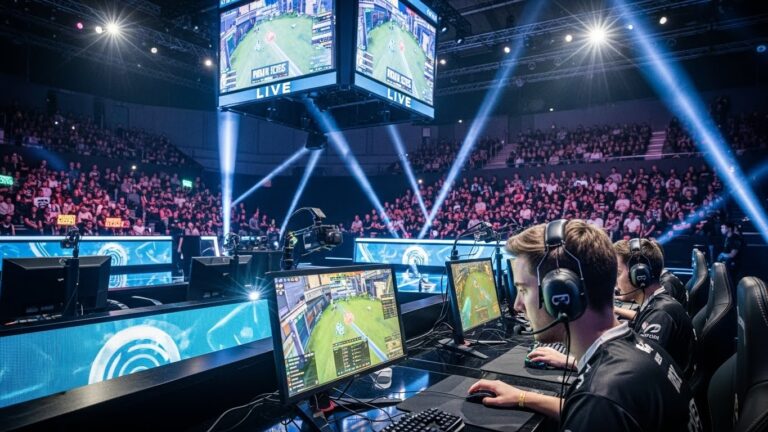
Esports has also become a cultural movement, influencing music, fashion, and entertainment. Esports tournaments now fill arenas, with crowds as passionate as those seen at traditional sports events. In addition to the competitive aspect, esports has developed a vibrant fan culture, with fan clubs, online communities, and even merchandise associated with popular teams and players.
Major esports tournaments, such as The International for Dota 2, the League of Legends World Championship, and the Overwatch League Finals, now attract millions of viewers both online and in person. These events are broadcasted to a global audience, with some tournaments even offering prize pools worth millions of dollars. The immense popularity of these events has also led to the development of esports television networks and dedicated online channels.
Moreover, esports has become an avenue for new forms of entertainment. Content creators on platforms like Twitch and YouTube have built large followings by streaming their gameplay and commentary. These content creators often have as much influence as traditional celebrities, and their fanbase engages with them in innovative ways through social media and live chats.
Challenges Facing the Esports Industry
Despite its rapid growth, the esports industry faces several challenges. One of the primary concerns is the mental and physical health of players. Esports requires long hours of gameplay and intense concentration, which can lead to burnout, stress, and even physical issues such as repetitive strain injuries. Organizations are increasingly focusing on player health by offering support, coaching, and wellness programs.
Another challenge is the need for greater regulation and governance in esports. As the industry expands, there have been concerns about cheating, match-fixing, and unregulated gambling. The integrity of esports tournaments needs to be protected to maintain its credibility as a professional sport.
Lastly, while esports has gained mainstream acceptance in some regions, there are still areas where it is not as widely recognized. Some skeptics view esports as just another form of entertainment, dismissing its legitimacy as a competitive sport. Overcoming these perceptions will be essential for esports to continue its upward trajectory.
The Future of Esports
Looking ahead, the future of esports is bright. Technological advancements, such as virtual reality (VR) and augmented reality (AR), have the potential to revolutionize the way games are played and experienced. As VR and AR technology matures, we may see entirely new forms of esports competitions that blur the lines between physical and virtual spaces.
Esports is also likely to continue its integration with traditional sports. Some professional sports teams have already invested in esports, and many have begun to explore how the two can complement each other. In the future, we may see esports tournaments held alongside traditional sports events, or even esports leagues that operate in parallel with major sports leagues.
Another exciting development is the potential for esports to become part of the Olympic Games. While there has been debate about whether esports qualifies as a legitimate Olympic sport, discussions are underway to include competitive gaming in future Olympic events. This would be a major milestone for the industry, offering esports a level of recognition and prestige similar to that of traditional sports.
Conclusion
Esports has come a long way since its humble beginnings, and it continues to evolve rapidly. From professional players competing for millions of dollars in prize money to the emergence of esports as a cultural phenomenon, the industry has proven itself to be more than just a passing trend. As technology advances and the global gaming community continues to expand, esports will undoubtedly remain a central force in shaping the future of entertainment and competition. Whether you’re a casual gamer or a dedicated fan, esports is an industry that offers something for everyone, and its best days may still be ahead