


Introduction: The Rise of Esports
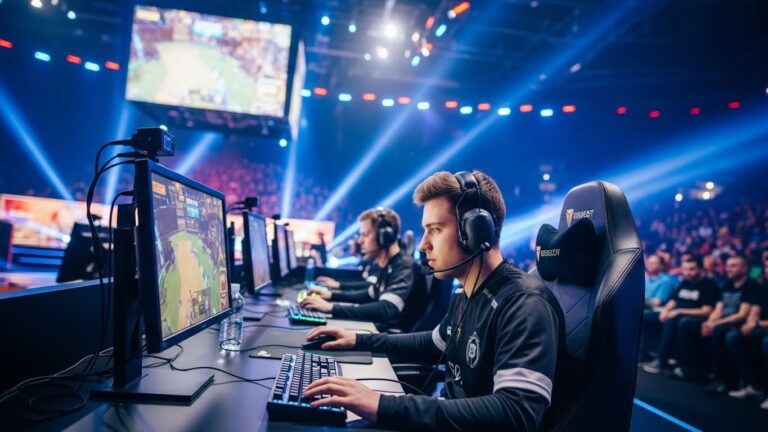
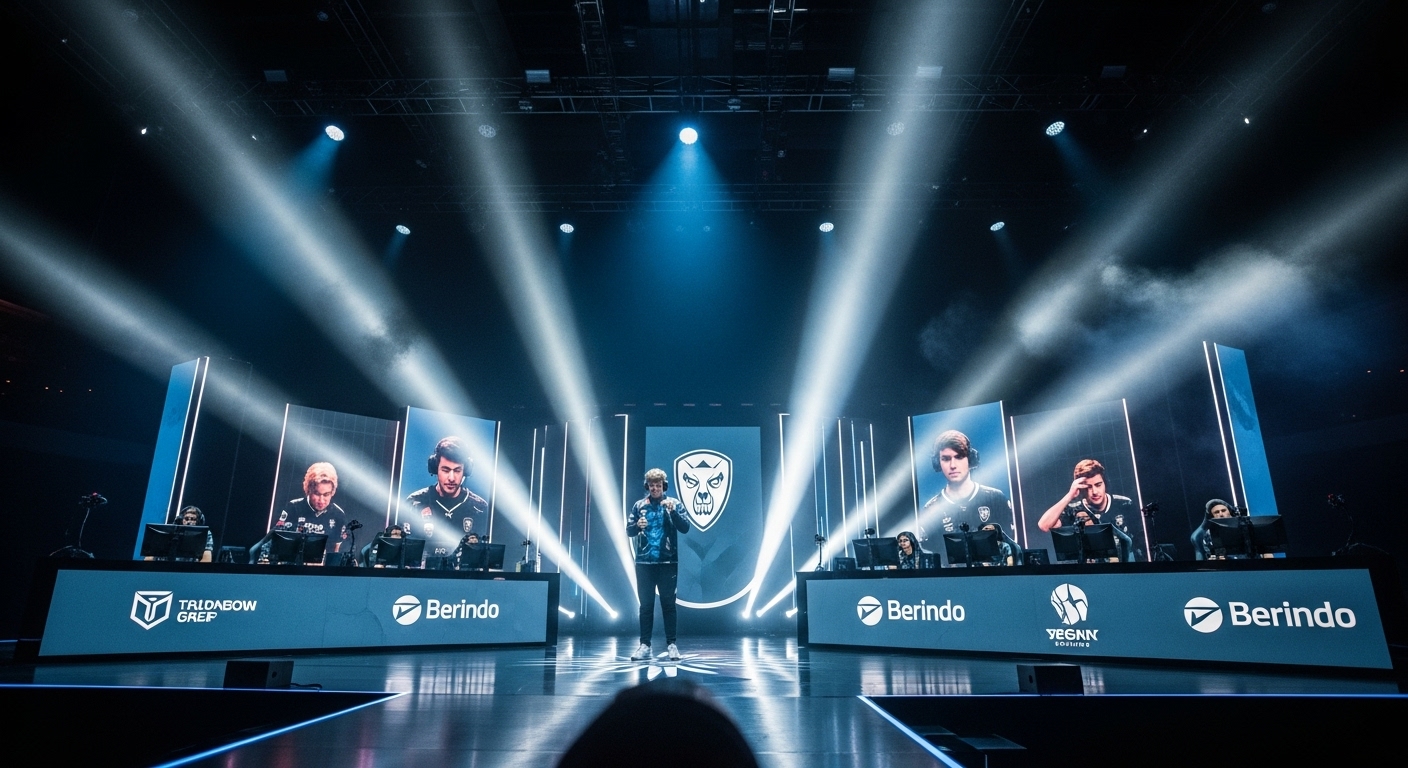
Esports, short for electronic sports, has emerged as one of the fastest-growing entertainment industries in the world. Once considered a niche hobby for gamers, it has transformed into a professional arena attracting millions of viewers, players, and sponsors globally. Today, esports combines technology, competition, culture, and entertainment, creating a unique ecosystem that rivals traditional sports. This blog explores the evolution of esports, its global impact, and the future of competitive gaming.
The Origins of Esports: From Arcades to Online Arenas
The roots of esports trace back to the 1980s when video games first became popular in arcades. Games like Pac-Man, Space Invaders, and Donkey Kong sparked competitive communities, with players vying for high scores and local recognition. The first tournaments were small and localized, offering trophies or prizes to winners. These early competitions laid the foundation for organized gaming culture.
The real evolution began in the 1990s with the advent of the internet. Multiplayer games such as StarCraft, Quake, and Counter-Strike allowed players to compete online, connecting individuals across cities, countries, and eventually continents. This online connectivity created the first global esports communities and set the stage for the professional scene we know today.
The Global Explosion of Esports
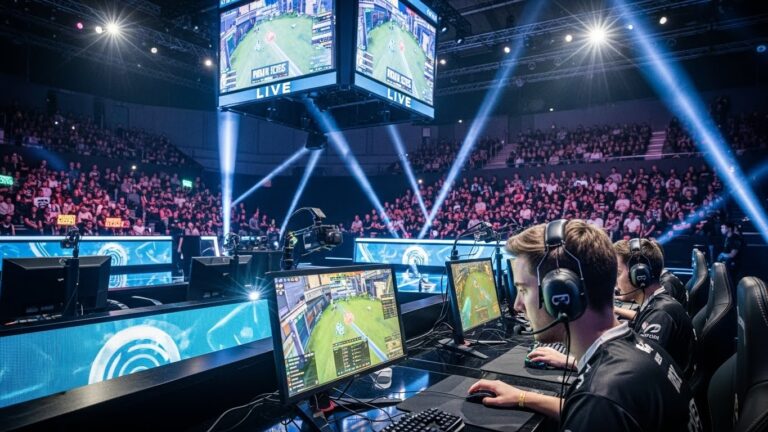
Esports has grown into a multi-billion-dollar industry with a global audience spanning all age groups. Today, millions of people tune in to watch live tournaments online or in stadiums. Professional leagues exist for nearly every competitive game genre, from first-person shooters and strategy games to sports simulations and battle royale titles.
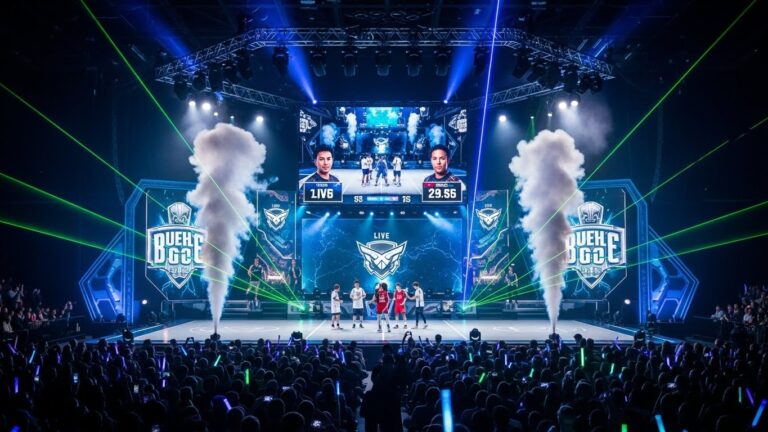
Major tournaments like The International, League of Legends World Championship, and Fortnite World Cup attract audiences comparable to major sporting events. These competitions combine gameplay, storytelling, and production value to deliver an entertainment experience that rivals television and film.
Professional Players: Athletes of the Digital Era
Professional esports players dedicate countless hours to training and honing their skills. Like traditional athletes, they follow strict routines, practice strategies, and analyze gameplay to improve performance. Reflexes, coordination, mental agility, and strategic thinking are critical for success in competitive gaming.
Players also act as content creators and public figures, engaging with fans through streaming, social media, and interviews. This dual role as both athlete and influencer has transformed the perception of gaming careers, showing that esports can be a legitimate profession with fame, financial rewards, and personal fulfillment.
The Role of Teams and Organizations
Esports organizations are essential to the professional gaming ecosystem. They recruit talented players, provide coaching and training, manage sponsorships, and build global fanbases. Teams operate similarly to traditional sports franchises, with dedicated management, marketing, and analytical staff to optimize performance and brand growth.
Successful esports teams cultivate loyalty among fans through consistent performance, personality-driven content, and engagement in the community. Team culture and identity are critical, and players often represent their organization and country on the global stage, adding a sense of pride and rivalry to competitions.
Popular Esports Genres and Games
Esports covers a wide variety of game genres, each with its own competitive appeal. First-person shooters like Call of Duty and Counter-Strike demand precision, teamwork, and fast reflexes. Multiplayer online battle arena (MOBA) games such as League of Legends and Dota 2 emphasize strategy, collaboration, and adaptability. Sports simulations like FIFA and NBA 2K translate real-world athletic skills into digital competition. Battle royale games like Fortnite and Apex Legends combine survival instincts with tactical gameplay. Strategy games like StarCraft test planning, resource management, and decision-making under pressure.
This diversity ensures that esports appeals to a broad audience while fostering specialized skills and competitive niches.
Streaming and Spectatorship
Streaming platforms have revolutionized esports by making it accessible to millions worldwide. Live broadcasts allow fans to watch professional gameplay in real time, with commentary, analysis, and interactive features. Viewers can engage with players and other fans, enhancing the sense of community and immersion.
Esports spectatorship differs from traditional sports by offering greater interactivity. Fans can participate in live chats, vote in polls, and follow players’ personal streams. This connection creates a more intimate and engaging experience, making esports not just a competition to watch but a participatory form of entertainment.
Esports as a Cultural Phenomenon
Esports has grown into a cultural movement that influences fashion, music, media, and social interaction. Players and teams inspire trends, while fans create content, fan art, and communities that celebrate gaming culture. Esports also promotes cultural exchange, connecting players and audiences from diverse backgrounds through a shared passion.
Moreover, esports challenges conventional notions of sports and athleticism. It highlights mental dexterity, strategic thinking, and reflexive precision, demonstrating that competitive excellence extends beyond physical activity. This redefinition of competition has broadened society’s understanding of achievement and skill.
Educational and Career Opportunities
Esports has expanded beyond entertainment to educational and professional opportunities. Schools and universities offer esports programs, teaching teamwork, communication, and problem-solving skills. Scholarships and programs for student-athletes in esports are becoming increasingly common, legitimizing the pursuit of competitive gaming as a career path.
Esports also cultivates technological literacy. Players gain experience with hardware, software, streaming platforms, and digital tools, skills that are valuable in careers ranging from IT and game design to digital marketing and content creation.
Challenges Facing Esports
Despite its growth, esports faces challenges that must be addressed. Gaming addiction and burnout are serious concerns, particularly among young or aspiring professional players. Maintaining a balance between intense training, personal life, and education is essential for long-term well-being.
Diversity and inclusion remain critical issues. The esports community has historically been dominated by certain demographics, but efforts to increase representation and accessibility are ongoing. Inclusive practices help ensure that esports remains a welcoming and equitable environment for all players and fans.
The Business of Esports
Esports has become a thriving business ecosystem. Revenue streams include sponsorships, advertising, tournament ticket sales, merchandise, and streaming partnerships. Top-tier tournaments and teams attract significant corporate investment, which fuels further growth and professionalization.
Beyond player salaries, the industry offers careers in coaching, content creation, event management, broadcasting, and marketing. This economic expansion reinforces esports’ legitimacy and ensures its sustainability as a global industry.
Esports and Technology
Technological innovation drives esports forward. High-performance gaming hardware, advanced graphics engines, streaming software, and analytics platforms enhance both gameplay and spectator experience. Emerging technologies such as virtual reality, augmented reality, and artificial intelligence promise to create more immersive, personalized, and interactive competitive experiences.
Technology not only elevates esports entertainment but also expands its possibilities for training, analysis, and engagement, ensuring that the industry remains at the cutting edge of digital culture.
Global Esports Communities
Esports communities span the globe, connecting fans and players across borders. Different regions have developed distinct competitive cultures, styles, and preferred games. Asia, particularly South Korea and China, has been a pioneer in professional esports, while North America and Europe host major leagues and tournaments that attract global attention.
International competitions foster cultural exchange, collaboration, and rivalry. Fans come together to celebrate their favorite teams, players, and games, creating a shared sense of belonging and excitement that transcends geographical boundaries.
The Future of Esports
The future of esports is filled with potential. As technology advances and the industry professionalizes, competitive gaming will continue to expand into new markets, genres, and experiences. VR, AR, and AI-driven games may redefine competition, creating unique, immersive, and personalized experiences for players and audiences alike.
Sustainability, inclusivity, and innovation will shape the long-term growth of esports, ensuring that it remains a dynamic, culturally significant, and economically thriving industry for years to come.
Conclusion: Esports as a Modern Cultural Force
Esports has transformed from small arcade competitions into a global cultural and professional phenomenon. It combines skill, strategy, teamwork, technology, and entertainment in a way that resonates with players and audiences alike. Esports demonstrates that competition is not limited to physical arenas—it thrives in digital spaces where skill, creativity, and determination define success.
As esports continues to grow, it will influence not only entertainment but education, culture, and technology. The industry offers opportunities for professional careers, personal growth, and global connection, making it a defining feature of the modern digital era. Competitive gaming has truly become a powerful force, shaping the way we play, watch, and connect in the 21st century.